Maka Medical Surgical
Maka Medical Surgical
Maka Medical Surgical
Engineered to meet the stringent biomechanical standards of Tokyo's medical distribution networks, these elite orthopedic solutions combine advanced alloy integrity with optimal clinical outcomes.
How demographic realities and advanced medical standards shape the metropolitan Kanto region's demand for orthopedic trauma hardware.
Tokyo, as the commercial and medical center of Japan, commands one of the most advanced healthcare markets globally. Confronting a highly aged society alongside an increasing pet ownership dynamic, the Kanto region is a primary node for orthopedic trauma innovations. The metropolitan area is characterized by top-tier research universities, specialized veterinary surgical academies, and a strict medical device evaluation framework governed by the PMDA (Pharmaceuticals and Medical Devices Agency).
Importers and medical distributors within the Tokyo area operate under rigorous standards. High fatigue life, bio-inertness, and minimal mechanical deviation are key requirements. The clinical landscape demands trauma hardware—such as locking plates, intramedullary nails, and pedicle screws—that facilitate swift surgical intervention and early mobilization, reducing hospital stay lengths.
Furthermore, Tokyo’s veterinary medical sector has transitioned from basic care to highly specialized, advanced joint and spinal reconstruction. With small breeds dominating the urban Japanese household, micro-surgical veterinary orthopedic systems and biocompatible materials like PEEK (Polyether ether ketone) are increasingly integrated into local hospital inventories.
Strategic realignment toward resilient manufacturing clusters and the modernization of medical grade materials.
The global trauma implant supply chain is undergoing structural changes. Geopolitical adjustments and rising medical component costs have forced procurement managers in Japan, Europe, and the Americas to optimize their sourcing. The traditional model of relying solely on domestically produced medical hardware is shifting toward a diversified sourcing strategy. This approach integrates highly automated, cost-efficient offshore factories that operate under global quality management systems.
In response to this demand, advanced manufacturing facilities have emerged as key partners for Tokyo-based medical device brokers. By using raw materials like Grade 5 Titanium (Ti-6Al-4V ELI) and PEEK-OPTIMA, these factories produce implants that match the dimensional and chemical requirements of premium brands at competitive price points.
Usage of certified Ti-6Al-4V ELI and implant-grade PEEK. Minimizes host tissue reaction and ensures long-term osseointegration.
Strategically structured shipping corridors connecting manufacturing hubs in China to Tokyo's primary maritime and air ports.
Advanced CAD/CAM support allows rapid prototyping of customized bone plates and locking screws tailored to regional specifications.
How Changzhou’s advanced industrial cluster delivers precision, scalability, and quality control to Tokyo and beyond.
Changzhou, located in China's Jiangsu province, is a key global cluster for orthopedic implant manufacturing. Through investments in CNC Swiss-type lathes, multi-axis machining centers, and automated polishing lines, the region has transitioned to an Industry 4.0 framework. This technical progression yields high consistency across large production volumes, reducing part-to-part variation below clinical tolerance levels.
For Tokyo importers, this system offers several advantages:
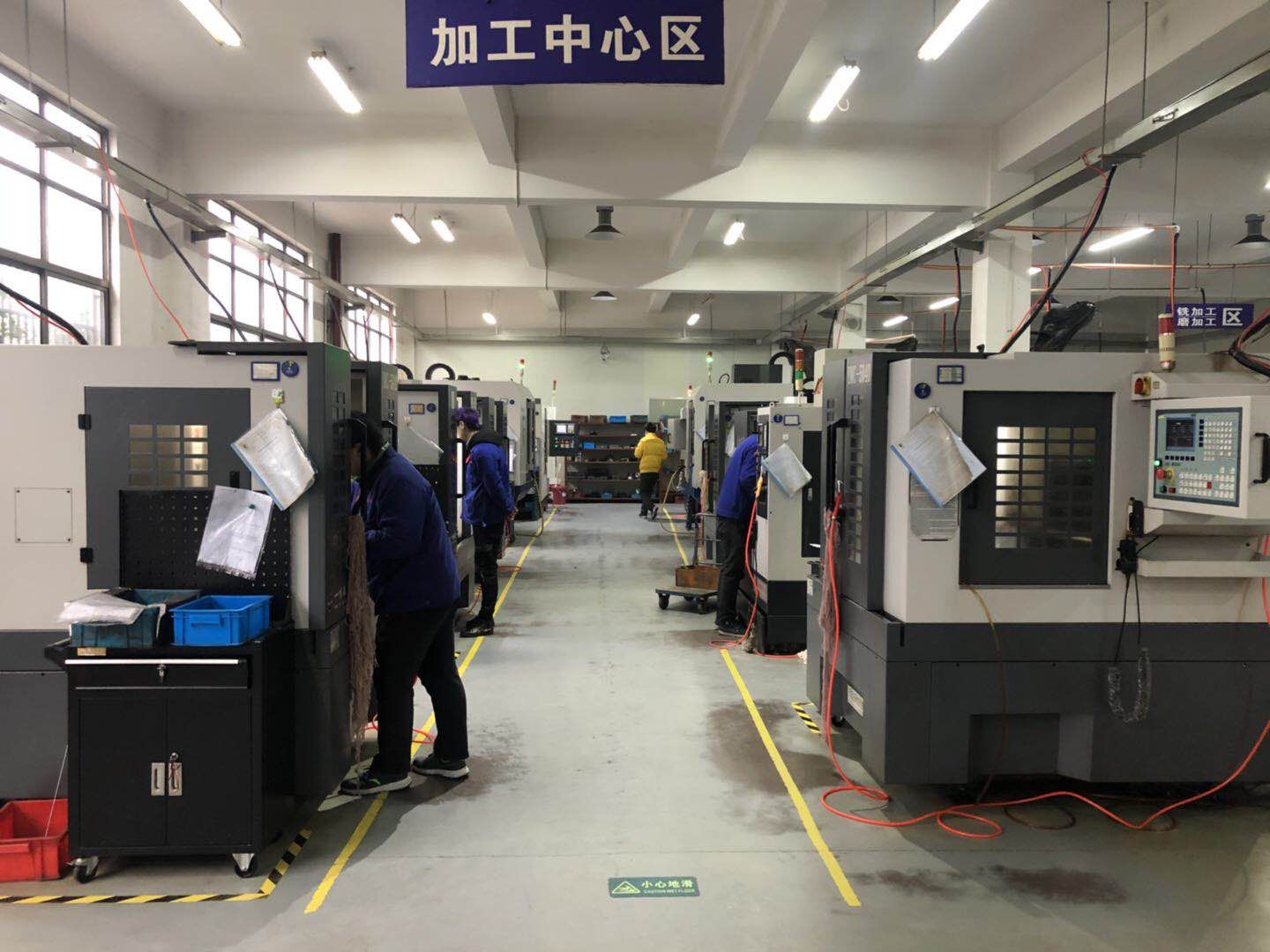
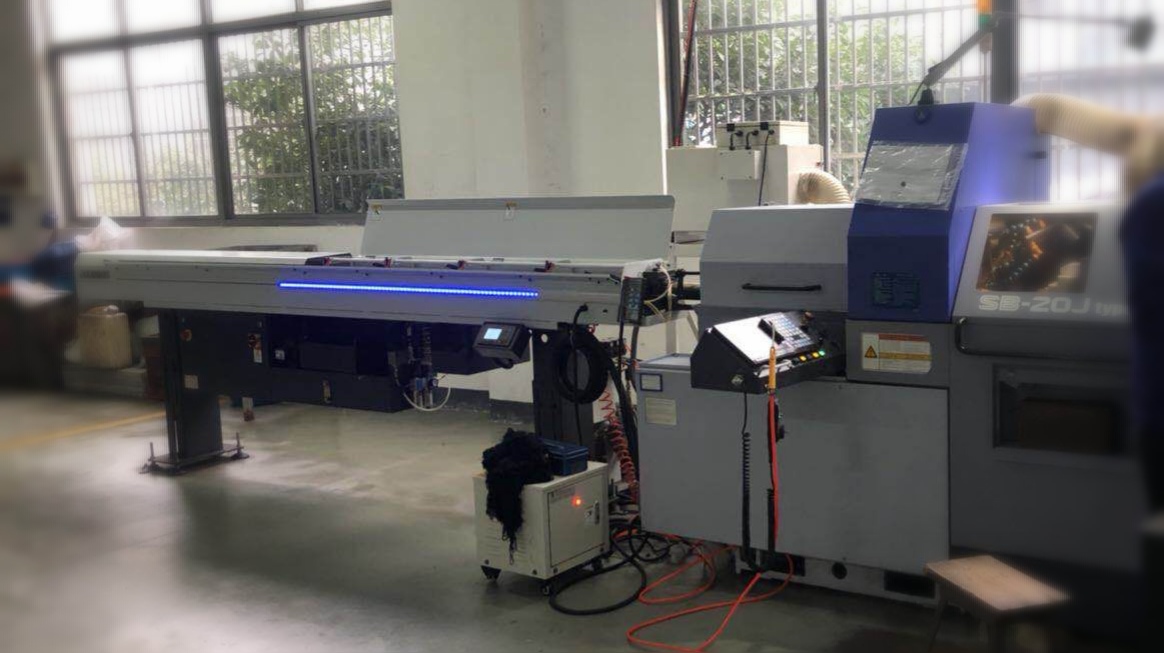
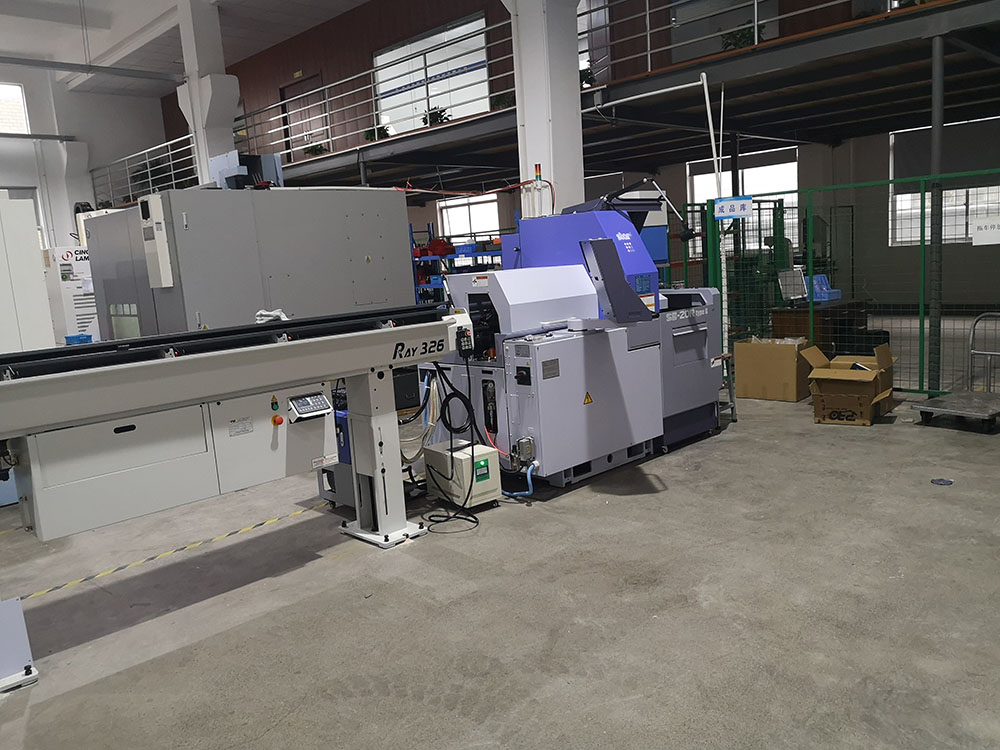
Direct insights into our production infrastructure and capabilities.
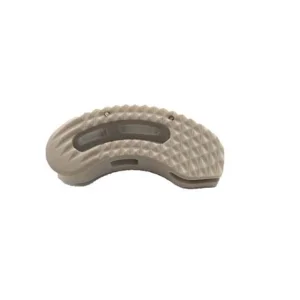
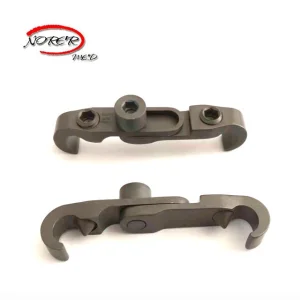
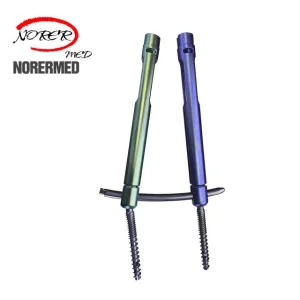
Maka Medical Technology Co., Ltd. is located in Changzhou city, China. We are an established manufacturer of orthopedic trauma bone plates, bone screws, interlocking nails, spinal pedicle screws, cervical plates, and PEEK cervical and lumbar cages.
Our facility integrates production, raw material verification, and final quality control. We specialize in partnering with global medical device distributors, including those in Tokyo and the wider Kanto region, providing high-precision medical-grade components designed to meet strict regulatory and clinical guidelines.
A comprehensive range of human and veterinary implants engineered for stability, biological compatibility, and mechanical strength.
How our trauma hardware functions under real clinical conditions within Tokyo’s specialized medical institutions.
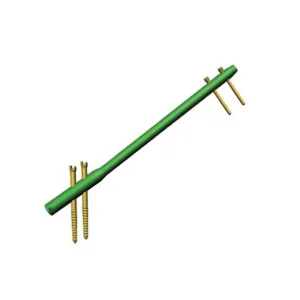
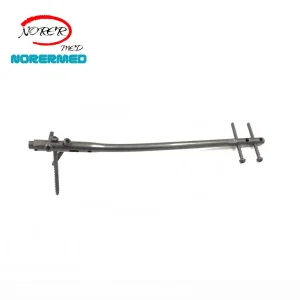
Clinical applications within Tokyo’s major municipal hospitals require high adaptability. Human fracture fixation systems, such as the *PFNA Interlocking Nail*, are designed for geriatric hip fractures, offering torsional stability in osteoporotic bone. The expert locking configurations enable early load-bearing, which is critical for preventing complications associated with prolonged recumbency in elderly patients.
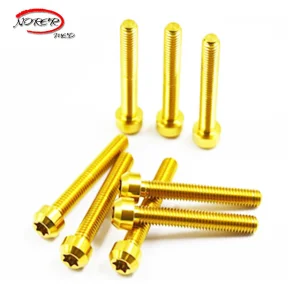
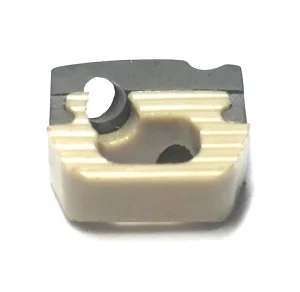
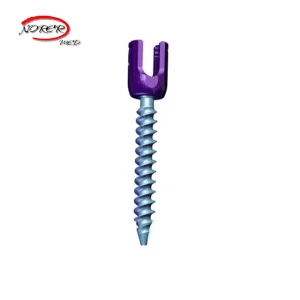
In the veterinary sector, the mechanical demands are varied. Veterinary surgeons in Kanagawa and Tokyo frequently manage complex fractures in toy breeds (e.g., Toy Poodles, Pomeranians). The bone dimensions in these breeds require micro locking plates and *Miniature Titanium Pedicle Screws* with specialized thread pitches to prevent bone splitting during insertion. Our *PEEK Lumbar Cages* are engineered for spine stabilization in canine patients, providing a modulus of elasticity close to natural cortical bone and reducing the risk of implant subsidence.
Essential technical and trade inquiries for distributors and procurement officers sourcing trauma implants for the Japanese market.
Optimize your orthopedic product portfolio. Sourced directly from our audited Changzhou facility, customized to meet Kanto healthcare expectations.
Send Inquiry Now