Maka Medical Surgical
Maka Medical Surgical
Maka Medical Surgical
Top-tier clinical implants engineered with precision for rapid post-traumatic recovery and high-stress osteosynthesis applications in the Ethiopia market.
The Federal Democratic Republic of Ethiopia is undergoing a rapid transition in healthcare development. With a population exceeding 120 million, the demand for specialized clinical interventions is scaling rapidly. Among these, trauma care has emerged as a high-priority public health frontier. Driven by swift urbanization, massive industrial corridors (such as the Hawassa, Bole Lemi, and Adama Industrial Parks), and the expansion of the national road network, traffic-related trauma and occupational injuries have surged. Orthopedic wards at key national referral hubs, including Black Lion (Tikur Anbessa) Specialized Hospital, ALERT Hospital, and various regional teaching medical centers in Mekelle, Bahir Dar, and Hawassa, are seeing an unprecedented influx of complex fracture cases.
Despite this clinical urgency, the local manufacturing ecosystem for high-precision surgical hardware remains in its infancy. Historically, the country has relied almost exclusively on imports to sustain its trauma centers. This creates significant structural challenges for hospital administrators, distributors, and surgical teams: procurement cycles are regularly delayed by global supply chain disruptions, foreign exchange (Forex) bottlenecks, and complex regulatory clearances under the Ethiopian Food and Drug Authority (EFDA).
Unprecedented rise in orthopedic trauma cases requiring urgent internal fixation devices, bone plates, and intramedullary interlocking nails.
Strict EFDA compliance dictates that medical hardware must possess comprehensive international certifications (ISO 13485, CE, FSC).
Overcoming local currency valuation shifts requires direct-from-factory sourcing to eliminate middleman inflation and secure reliable shipping.
To establish clinical self-sufficiency, Ethiopian medical institutions and private sector distributors are building strategic partnerships with Chinese manufacturing partners. Modern orthopedic trauma implant suppliers must provide more than just raw steel and screws; they must deliver high-performance, bio-compatible alloys, rapid customization options, and comprehensive documentation to navigate the procurement landscapes of both public sector tenders and private healthcare setups.
Aligning raw material purity with mechanical engineering to ensure optimal osseointegration and fracture stability.
For bone remodeling and anatomical reconstruction, modern medicine favors titanium over traditional stainless steel. Titanium Alloy (specifically Grade 5, Ti-6Al-4V Extra Low Interstitial) offers a modulus of elasticity that is much closer to that of cortical human bone. This significantly reduces "stress shielding," a phenomenon where rigid implants carry the entire mechanical load, causing adjacent bone to lose density and weaken over time.
Additionally, Titanium possesses superior corrosion resistance due to the spontaneous formation of a stable, passive oxide film. This drastically minimizes the release of metallic ions into the body, lowering the risk of post-operative tissue reactions and long-term implant rejection.
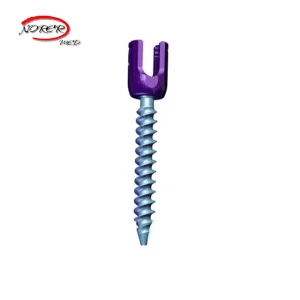
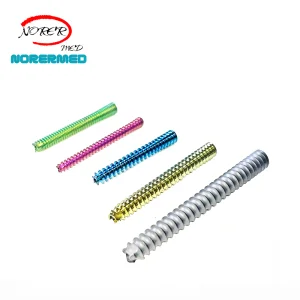
Implant longevity depends on cell attachment. Maka Medical employs advanced chemical etching and color anodization to create micro-roughness on implant surfaces. This enhances initial osteoblast adhesion and allows clinicians to color-code screw diameters, speeding up operating room workflows.
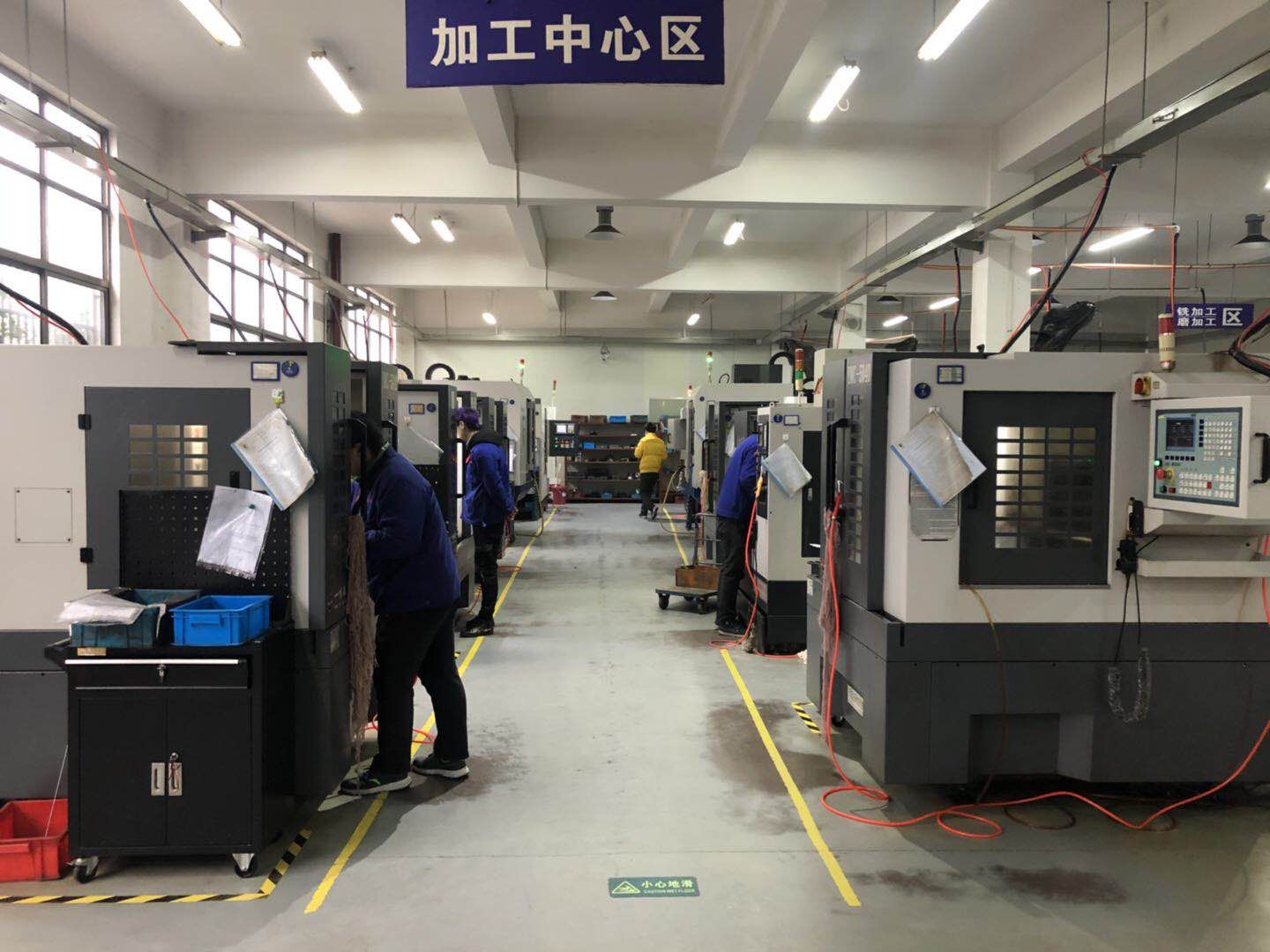
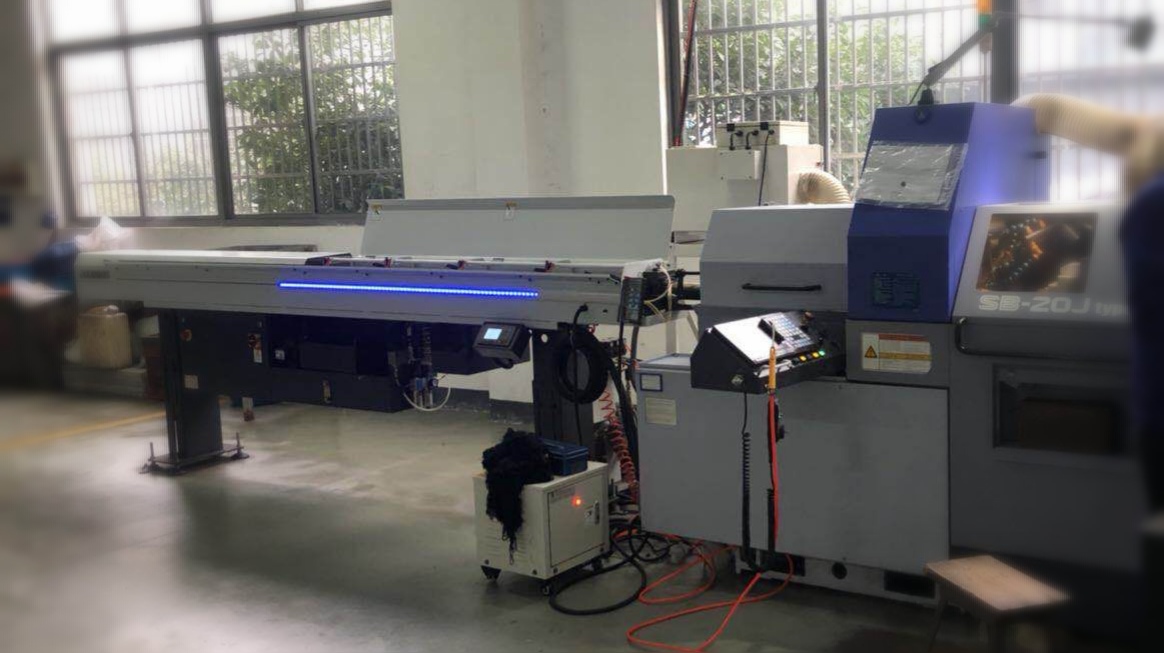
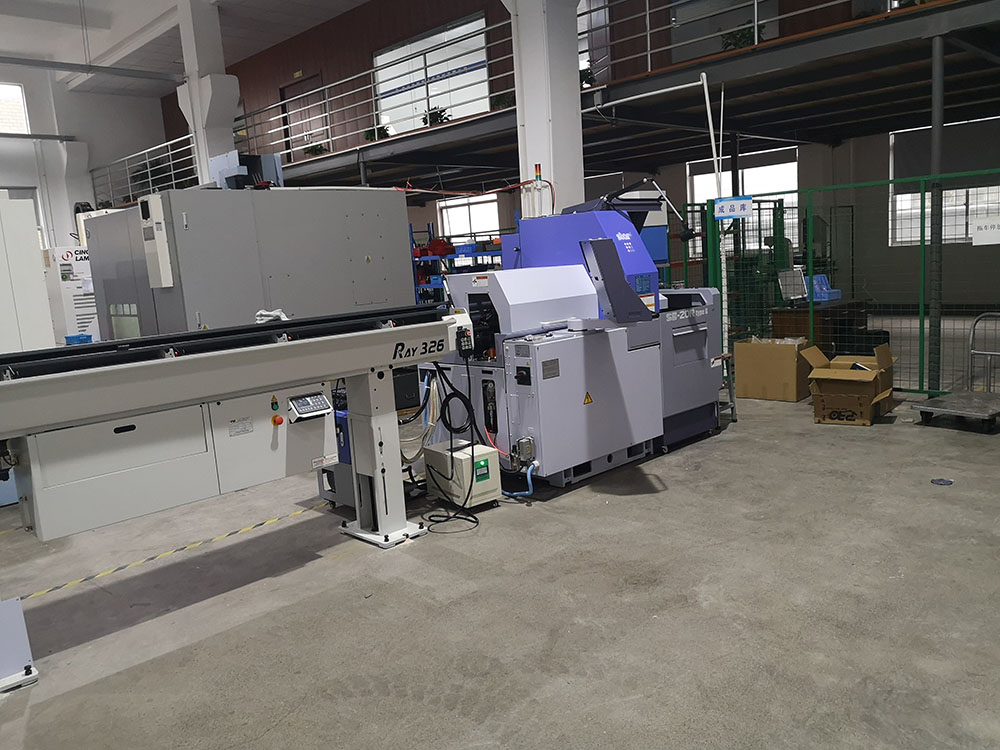
Modern clinical systems cannot afford supply chain disruptions. Maka Medical leverages Industry 4.0 production principles at its facility in Changzhou, China, to balance capacity, scale, and cost-efficiency. By integrating smart inventory tracking with automated CNC manufacturing lines, we maintain a consistent pipeline of bone plates, intramedullary nails, and spinal fixation systems, minimizing the supply issues common with smaller European brands.
Shipping medical equipment to landlocked Ethiopia requires careful logistics coordination. Maka Medical optimizes shipping routes, shifting from maritime routes to multimodal delivery strategies. Shipments depart from key Chinese ports (such as Ningbo or Shanghai), cross the Indian Ocean to the Port of Djibouti, and are transported via the Ethio-Djibouti standard gauge railway directly to Modjo Dry Port. For urgent trauma needs, we utilize air cargo through Ethiopian Airlines' cargo terminal at Addis Ababa Bole International Airport, reducing shipping times from weeks to days.
A statistical snapshot of our manufacturing capabilities, global reach, and commitment to orthopedic innovation.
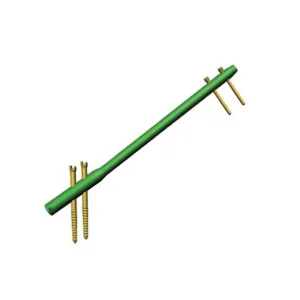
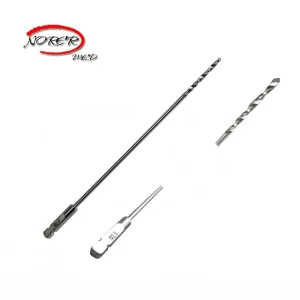
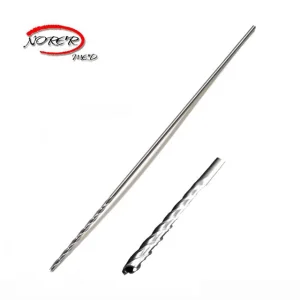
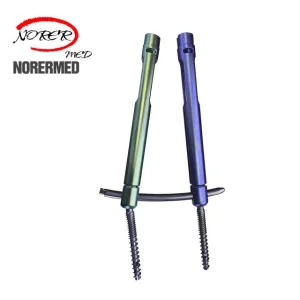
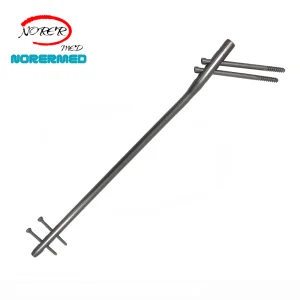
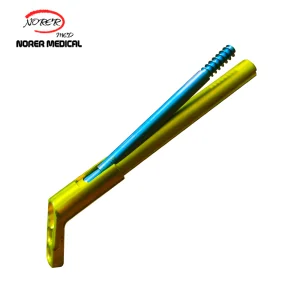
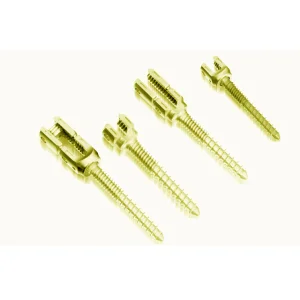
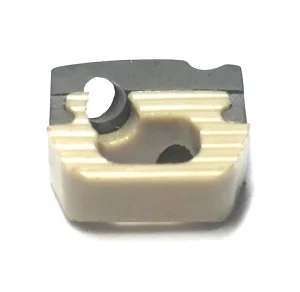
Comprehensive clinical hardware options, including interlocking systems, spinal instrumentation, and precision orthosurgical drill bits.
Entering the Ethiopian medical supply market requires navigating complex local regulations. The EFDA enforces strict oversight on all implantable devices. Foreign exporters must collaborate closely with authorized local agents. Maka Medical assists distributors by providing a full suite of regulatory documentation, including ISO 13485 certifications, CE dossiers, Certificates of Free Sale (CFS), raw material chemical analysis certifications, and sterilization protocol validations.
In addition to regulatory support, we help local partners bid on public tenders issued by the Ethiopian Pharmaceuticals Supply Agency (EPSA). Through optimized cost-efficiency and high manufacturing standards, we position our local partners to bid competitively on public contracts, helping to supply critical trauma components to key public healthcare facilities.
A trusted manufacturing partner for orthopedic solutions, offering medical-grade trauma plates, screws, intramedullary nails, and spinal fixation systems.
Maka Medical is an established, specialized manufacturer located in the high-tech medical device industrial zone of Changzhou City, Jiangsu Province, China. We design, manufacture, and export a comprehensive catalog of orthopedic implants, including bone plates, cortical and cancellous bone screws, interlocking intramedullary nails, spine pedicle screw systems, cervical plates, and PEEK cervical/lumbar cages.
Operating with a core team of highly skilled biomedical engineers and quality assurance specialists, Maka Medical merges advanced materials science with precise engineering. We serve both human clinical surgical requirements and veterinary trauma applications, ensuring that patient recovery remains our highest priority.
Key information regarding registration, manufacturing standards, payment processing, and logistics management.
Ready to secure a reliable, factory-direct supply of high-grade titanium bone plates, interlocking nails, and spine fixation hardware? Contact our technical team today to request product catalogs, certifications, and a competitive quotation tailored for the Ethiopian market.
Send Inquiry Now