Maka Medical Surgical
Maka Medical Surgical
Maka Medical Surgical
Direct supply line of titanium orthopedic crosslink systems and micro-machined locking fasteners engineered for Japan's rigid mechanical standards.
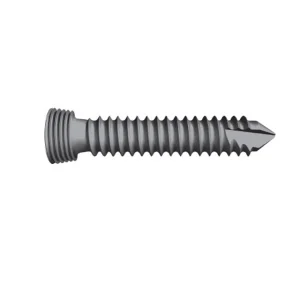
Osaka and the broader Kansai region stand as an powerhouse of advanced manufacturing and biomedical innovation in Japan. Home to leading universities, research institutions, and the Chuo-ku pharmaceutical district, Osaka drives the nation's orthopedic and medical device research. Local manufacturers, surgical institutions, and original equipment manufacturers (OEMs) demand an uncompromising supply of titanium custom parts.
Biomedical titanium requires advanced raw processing capabilities to withstand structural stress while remaining completely bio-inert. Our factory supply lines bridge the gap between heavy metallurgy and micro-precision machining, offering Osaka’s specialized entities access to high-strength titanium alloys (such as Ti-6Al-4V ELI / ASTM F136). We satisfy the local demand for specialized bone plates, interlocking nails, and spinal reconstruction hardware.
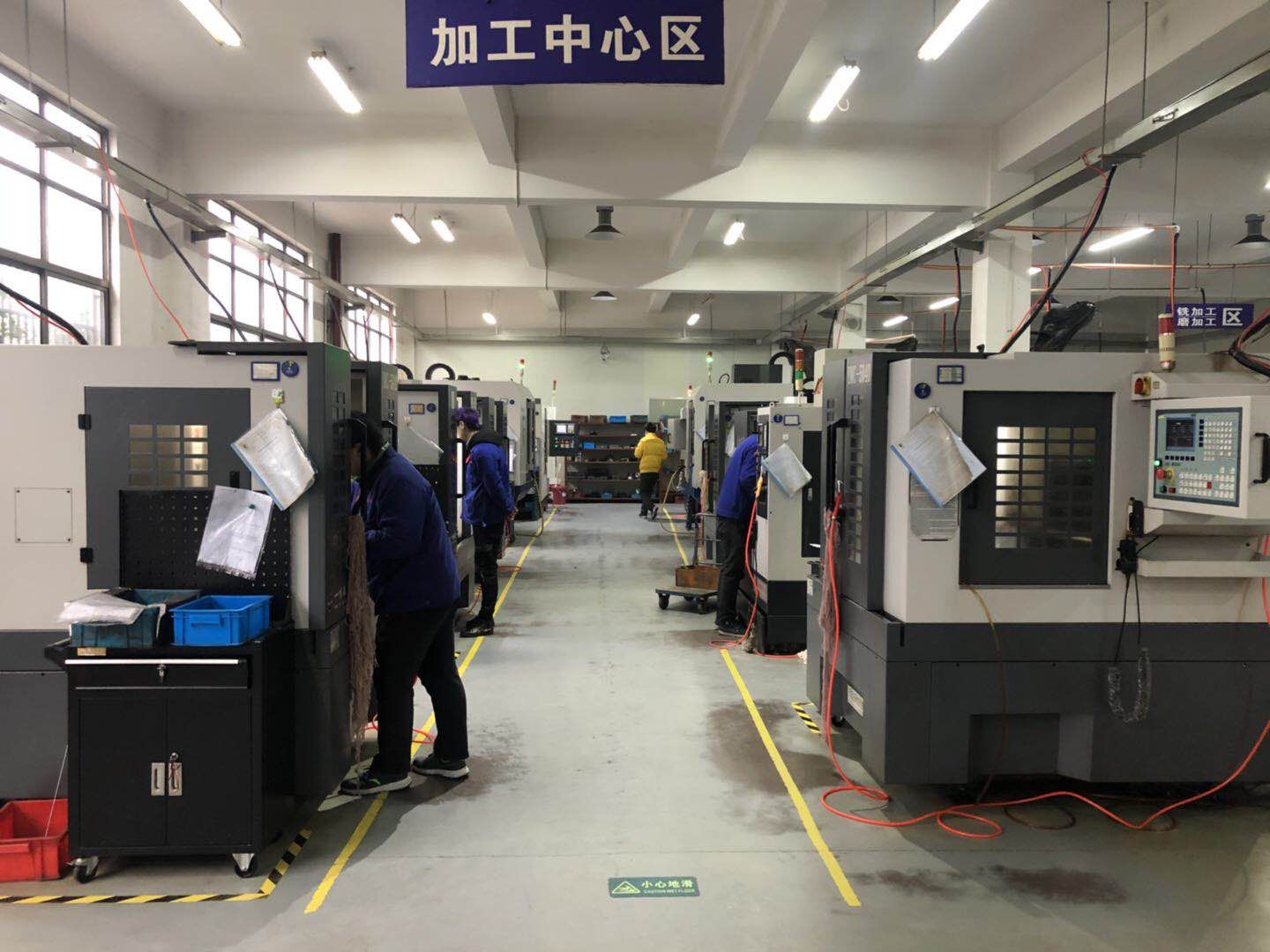
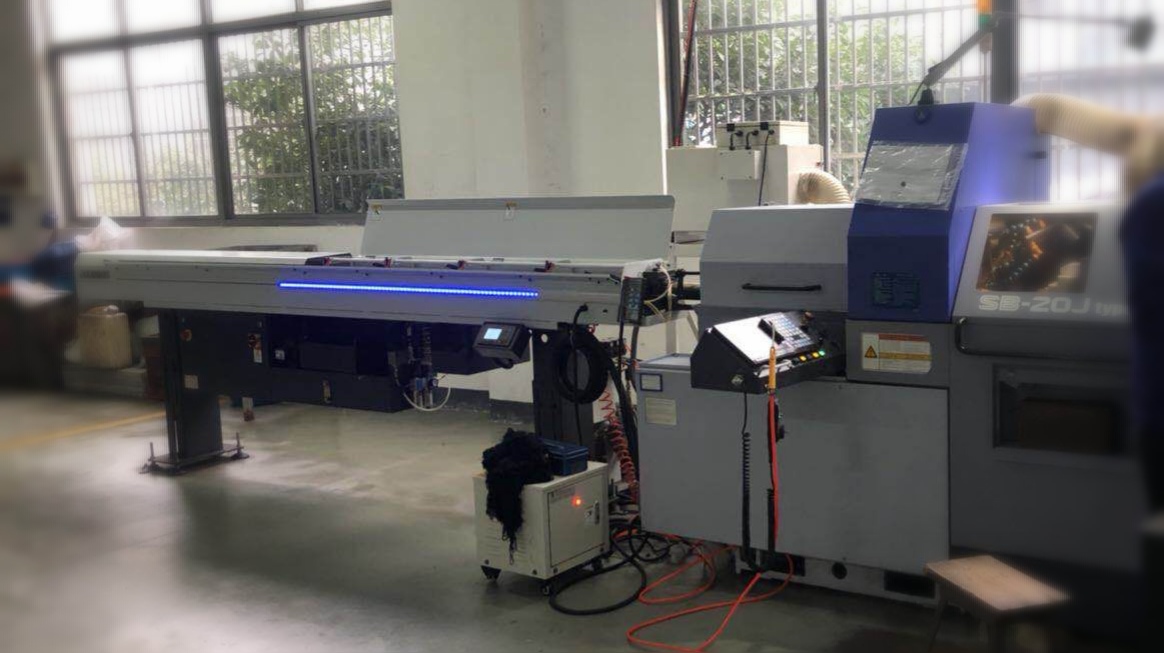
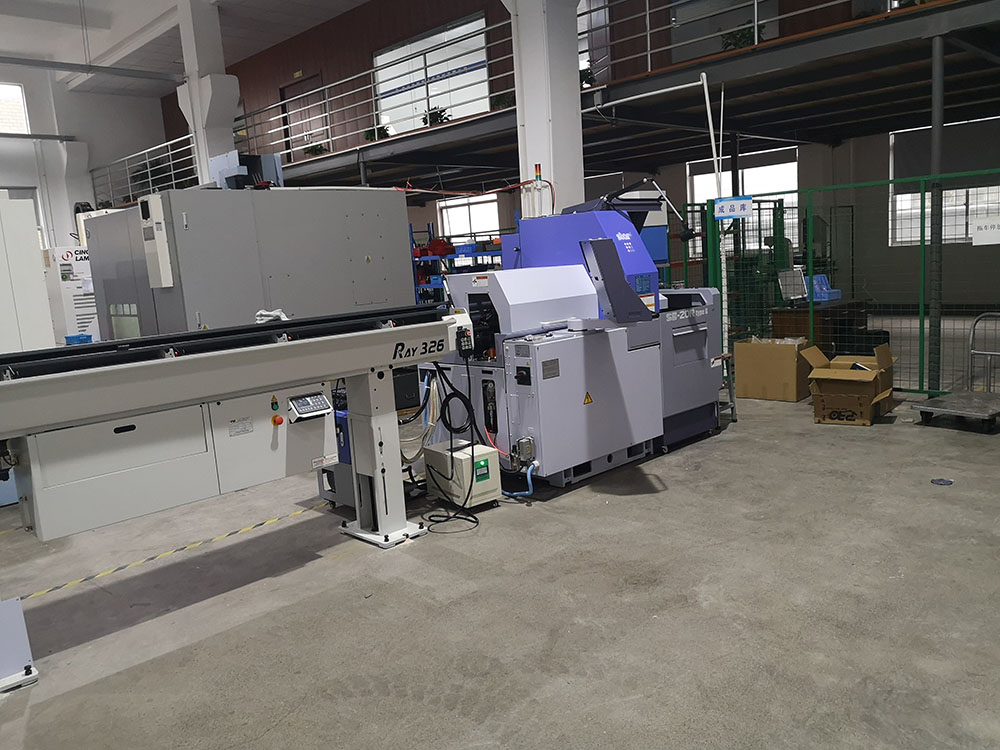
By integrating state-of-the-art CNC Swiss-type lathe turning with dedicated multi-axis milling, we bypass typical outsourcing bottlenecks. We deliver custom components with critical tolerances of less than ±0.005mm directly to Japanese distributors and regulatory assembly stations.
Analyzing key shifts in modern titanium fabrication to optimize long-term procurement strategies for Osaka enterprises.
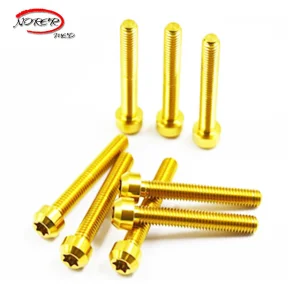
Minimally invasive surgeries require titanium locking screws with specialized internal drives (like Torx or custom hexlobular shapes) that prevent tool slippage and driver disengagement under load.
Combining 3D powder-bed fusion with CNC finish machining allows factories to build complex lattice structures for implant osseointegrated surfaces while maintaining sub-micron screw threads.
Anodizing (Type II and Type III) and chemical etching have become critical to control surface morphology, eliminate fatigue micro-cracking, and reduce friction coefficient during bone insertion.
Procuring surgical-grade titanium parts from international hubs requires more than just submitting CAD models. Industrial procurement specialists in Osaka evaluate suppliers based on material validation, manufacturing scalability, and regulatory compliance. Our supply model addresses these requirements by integrating certified processing plants directly with a highly communicative engineering and export team.
Bridging international manufacturing with strict Japanese Ministry of Health, Labour and Welfare (MHLW) regulatory pathways.
Entering the Japanese medical device market requires conforming to the Pharmaceutical and Medical Devices Act (PMDA). Medical assemblies and implants manufactured outside Japan must comply with QMS Ministerial Ordinance No. 169, which aligns with ISO 13485. Maka Medical provides comprehensive documentation, material heat-treatment logs, and chemical analysis certificates to support local Marketing Authorization Holders (MAH) in Osaka.
We offer direct technical consultations, mechanical evaluation reports, and fatigue testing data for Class II and Class III medical devices (such as femoral interlocking systems and dynamic bone compression plates) to help streamline the approval process.
The convergence of orthopedic biomechanics and micro-engineering demands advanced production capabilities. Our technical roadmap focuses on three development areas: high-speed multi-axis micro-milling, advanced surface modification, and composite material integration. For partners in the Osaka biomedical industry, these advancements translate to improved clinical outcomes and reduced revision rates in trauma medicine.
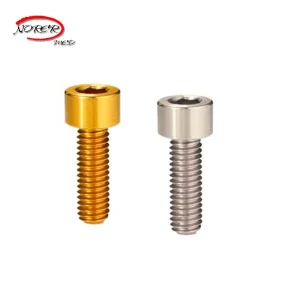
Reduces friction and prevents galling under load, which is critical for complex locking screw applications.
Combines radiolucent PEEK lumbar cages with titanium anchor pins to provide optimal load-bearing strength and clear imaging.
Multi-stage cleaning lines remove machining oils, particulate residue, and free iron from titanium surfaces.
Non-contact measuring systems inspect bone screw thread leads and pitch tolerances without damaging precision surfaces.
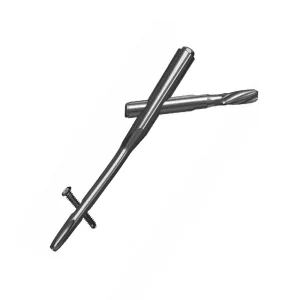
Engineered to exact tolerances. Our products include titanium interlocking nails, specialized instrument kits, and veterinary spinal fixation screws.
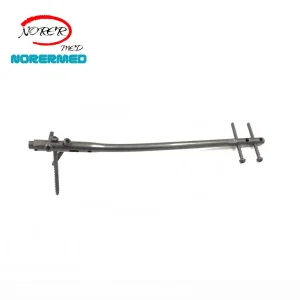
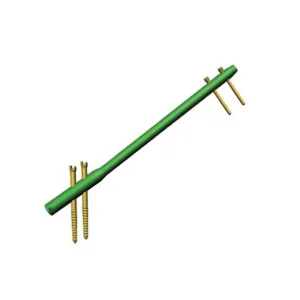
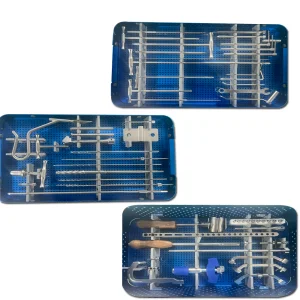
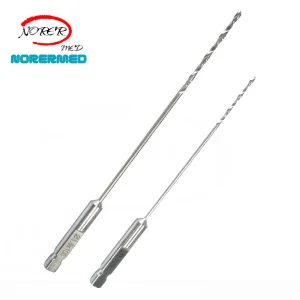
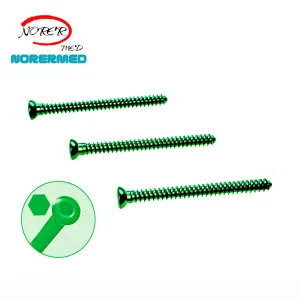
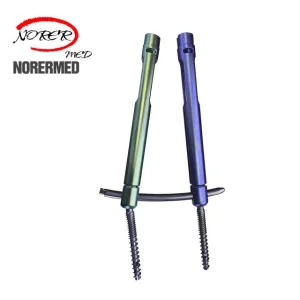
Maka Medical Technology Co., Ltd. specializes in manufacturing high-precision orthopedic implants, spinal fixation systems, and custom micro-machined medical fasteners. Based in Changzhou's high-tech manufacturing corridor in Jiangsu Province, China, our company serves domestic and international clients, including clinical networks and OEM partners throughout Japan.
Our production lines feature multi-axis Swiss CNC turning stations, cleanroom passivation setups, and computerized optical sorting equipment. This setup allows us to manufacture complex trauma bone plates, locking screws, interlocking nails, cervical plates, and PEEK implants to strict standards.
Addressing key queries related to material compliance, customization capabilities, and delivery to the Japanese market.
Get in touch with our engineering team to submit CAD models (.STEP, .IGS, .DWG) or request ISO certification details.