Maka Medical Surgical
South African Spine Implant Market: Dynamics & Growth
The orthopedics and neurosurgical sectors in South Africa are undergoing a major transition. With a dual healthcare system consisting of private medical schemes (serving roughly 16% of the population but representing half of total healthcare spending) and a massive public sector transitioning towards National Health Insurance (NHI), the demand for high-quality, cost-efficient spinal medical devices is at an all-time high.
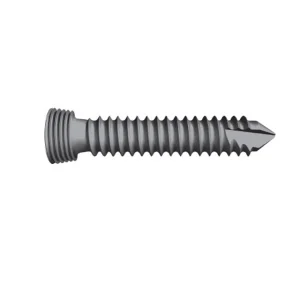
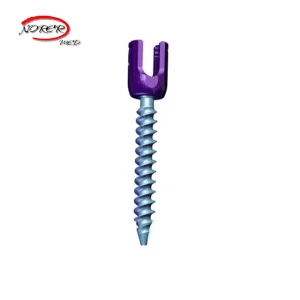
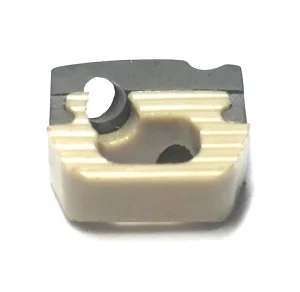
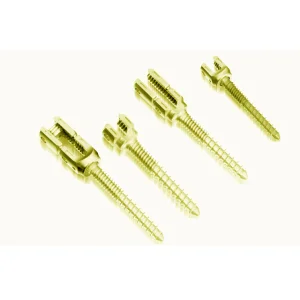
South Africa experiences a disproportionate volume of spinal trauma due to high motor vehicle accident rates and interpersonal violence, combined with an aging demographic suffering from degenerative disc diseases. This complex burden of disease requires a reliable pipeline of spine implants—including pedicle screws, PEEK TLIF/PLIF cages, crosslink systems, and cervical plates.
While private sector hospitals (such as Netcare, Life Healthcare, and Mediclinic) prioritize state-of-the-art technological advancements and global brand preference, the public sector tenders heavily weigh cost-effectiveness, long-term implant durability, and dependable bulk delivery. Chinese manufacturers bridging the gap between CE/ISO certification and accessible price points are uniquely positioned to secure these high-volume markets.
Regulatory Landscapes & SAHPRA Compliance
Distributing spinal implants in South Africa requires strict adherence to the regulations set by the South African Health Products Regulatory Authority (SAHPRA). Under the Medicines and Related Substances Act (Act 101 of 1965), spine implants are categorized as Class C (medium-high risk) or Class D (high risk) medical devices.
Importers and distributors in South Africa must hold a SAHPRA medical device establishment license. To register products successfully, international manufacturers must provide:
- ISO 13485 Certification: Demonstrating rigorous Quality Management Systems (QMS) specifically for medical device production.
- Free Sale Certificates (FSC) / CE Markings: Showing that the devices are cleared for clinical use in major regulatory jurisdictions.
- Biocompatibility Evidence: Detailed documentation of material compliance (e.g., ASTM F136 for Titanium alloys and ASTM F2026 for PEEK implants).
Technical Innovations: PEEK vs. Titanium in Spinal Reconstruction
The choice of material determines the clinical outcome of spinal fusion procedures. Modern spinal surgeries in South Africa heavily leverage two core biomaterials:
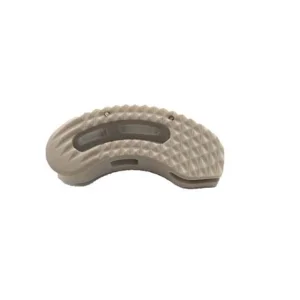
1. Polyetheretherketone (PEEK) Cages
PEEK exhibits an elastic modulus (approx. 3.6 GPa) that is very close to that of human cortical bone (approx. 18 GPa) compared to traditional metals. This biomechanical match minimizes the risk of stress shielding—a phenomenon where the metal implant bears too much load, causing adjacent natural bone to resorb. PEEK’s radiolucency also allows surgeons to clearly monitor fusion progress via X-ray and CT scans without hardware-induced artifacts.
2. Titanium Alloy (Ti-6Al-4V ELI) Pedicle Screws
For rigid stabilization, Extra Low Interstitial (ELI) Grade 5 Titanium remains the gold standard. Its superior fatigue strength, corrosion resistance, and surface properties promote excellent osteointegration, ensuring long-term mechanical stability in dynamic multi-segment constructs.
The Chinese Supply Chain Advantage: Maka Medical
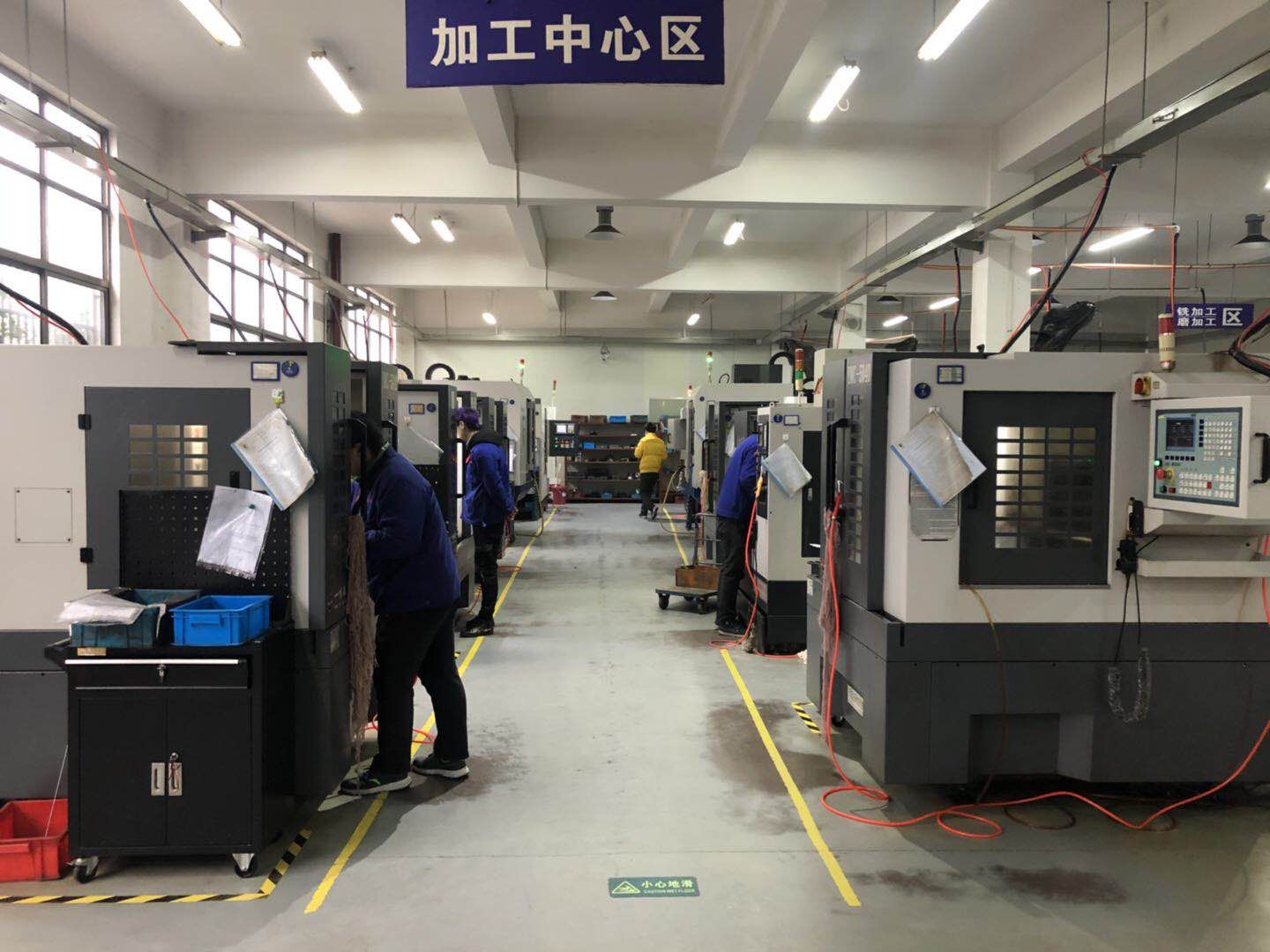
Located in the orthopedics manufacturing cluster of Changzhou, Jiangsu Province, Maka Medical Technology Co., Ltd. offers a robust alternative to high-premium European and North American implant brands. By integrating trading capabilities with localized precision manufacturing, we resolve the dual pressure of premium clinical performance and budget limitations faced by South African distributors.
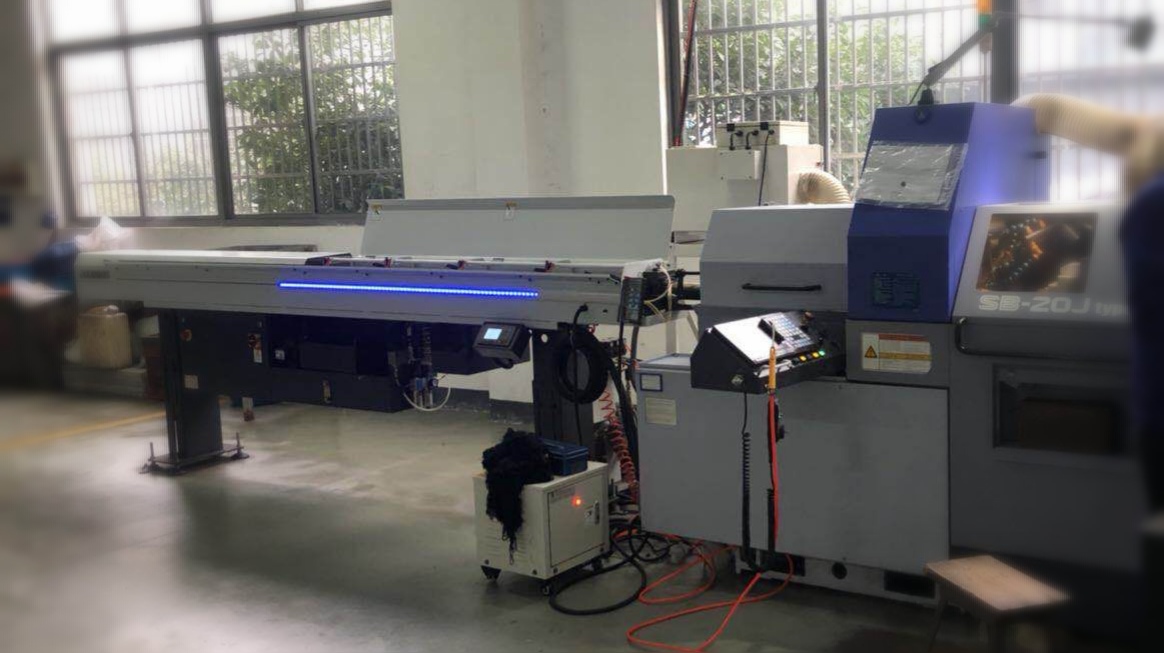
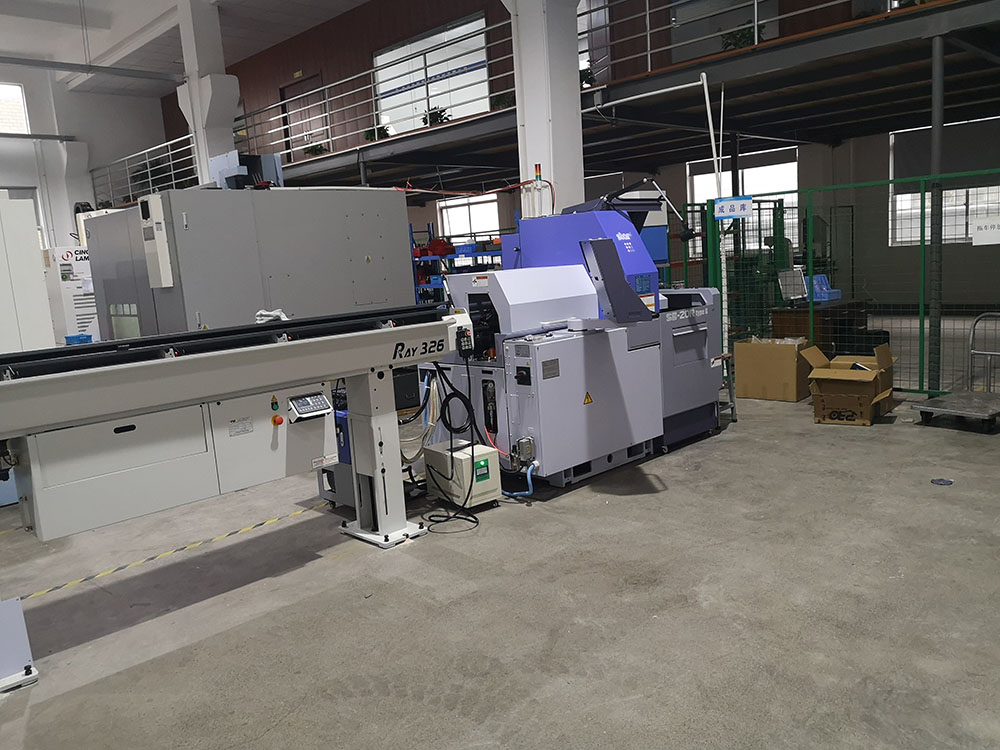
- Cost Efficiency & High Output: Advanced automated Swiss CNC lathes slash per-unit manufacturing costs while guaranteeing dimensional tolerances within micrometers.
- OEM/ODM Flexibility: The capacity to customize dimensions, thread pitches, and surface treatments (e.g., acid etching or HA coating) to fit local clinical trials or surgeon preferences in Pretoria, Cape Town, and Durban.
- Streamlined Logistics: Standardized shipping workflows to South African hubs via air cargo (OR Tambo International Airport) or ocean freight (Durban Port), complete with necessary customs clearances and Certificates of Analysis (CoA).
Clinical Use Cases and Surgical Applications
Spinal hardware manufactured by Maka Medical is deployed across several critical scenarios in South African medical institutions:
- Degenerative Disc Disease (DDD): Treating chronic lower back pain through TLIF (Transforaminal Lumbar Interbody Fusion) and ACIF (Anterior Cervical Interbody Fusion) using advanced PEEK locking cages.
- Spinal Trauma & Fracture Fixation: Utilizing polyaxial and monoaxial pedicle screws to stabilize vertebrae following high-impact trauma.
- Veterinary Spinal Decompression: Offering custom-scaled locking screw systems for canine and feline spinal stabilization in advanced veterinary teaching hospitals across South Africa.