Maka Medical Surgical Maka Medical Surgical

Hip & Knee Prosthesis Manufacturer & Factories serving the Malaysia market

High-precision orthopedic implants, trauma bone plates, and clinical-grade spinal fixation systems engineered for local demographics, registered compliance, and absolute surgical reliability.

Send Inquiry Now
10+
Years Serving Global Markets
100%
Medical Grade Titanium
MDA
GDPMD Ready Compliance
150+
Precision Machined Designs

Executive White Paper: Orthopedic joint reconstruction & Trauma Device landscape in Malaysia

As Southeast Asia’s medical technology sector continues to transition toward high-reliability, long-term biocompatibility, and customized surgical configurations, Malaysia stands as a pivotal hub. The intersection of an aging population, rising rates of early osteoarthritis, and an expanding healthcare tourism industry (coordinated via the Malaysia Healthcare Travel Council - MHTC) necessitates a resilient supply of orthopedic implants. Specifically, hip and knee prostheses, spinal pedicle screws, and trauma systems must satisfy rigorous engineering standards and local physiological dimensions.

1. Localized Anatomical Challenges in the Malaysian Population

Historically, orthopedic implants were developed primarily on Caucasian databases. However, anthropological studies consistently show that the East and Southeast Asian skeletal structures differ markedly from Western archetypes. Malaysian demographics, comprising Malay, Chinese, and Indian ethnic backgrounds, present unique anatomical variations:

  • Narrower Medullary Canals: The femoral canal in typical Asian patients exhibits a distinct curvature and a narrower diameter. Western-designed hip prostheses often risk intraoperative fissures or suboptimal press-fit stability.
  • Lower Femoral Neck-Shaft Angle: Our R&D indicates that the local average neck-shaft angle requires customized implant geometries to prevent postoperative offset mismatches.
  • High-Flexion Demands: Culturally, kneeling, sitting cross-legged, and squatting are integral to daily activities and religious prayers in Malaysia. Knee prostheses must utilize advanced articulation mechanisms to handle flexion angles up to 155 degrees safely without causing early wear or subluxation.

Through our manufacturing facility in Jiangsu, China, Maka Medical Technology addresses these specific dimensions using advanced CNC machining processes, optimizing bone preservation while delivering reliable implant anchorage.

2. The Regulatory Landscape: MDA & GDPMD Compliance

Commercializing hip & knee prostheses or spinal and trauma fixation hardware in Malaysia requires strict alignment with the Medical Device Authority (MDA) under the Medical Device Act 2012. B2B procurement officers and local distributors must verify that factories provide exhaustive Technical Documentation Files (TDFs), including:

  • Biocompatibility certificates (ISO 10993) covering cytotoxicity, sensitization, and systemic toxicity.
  • Mechanized stress and fatigue test datasets in compliance with ASTM and ISO standards for load-bearing joints.
  • Cleanroom manufacturing parameters validating bioburden levels under ISO 14644 (Class 10,000 / ISO 7 environments).

Maka Medical supports our Malaysian distribution partners throughout the registration process inside the MeDC@St online system, establishing seamless pathways to secure MDA approvals and facilitating integration with key regional private hospital networks such as KPJ Healthcare, Pantai Hospitals, and Gleneagles.

Advanced Technology Roadmap & Production Dynamics

From raw medical-grade alloys to sterile clinical-ready implants.

1. Material Sourcing & Traceability

We source ultra-pure Titanium (Ti-6Al-4V ELI) complying with ASTM F136 and high-molecular PEEK-OPTIMA. This ensures maximum biocompatibility, high fatigue limits, and zero adverse tissue reactions under long-term physiological stress.

2. Precision Swiss CNC Machining

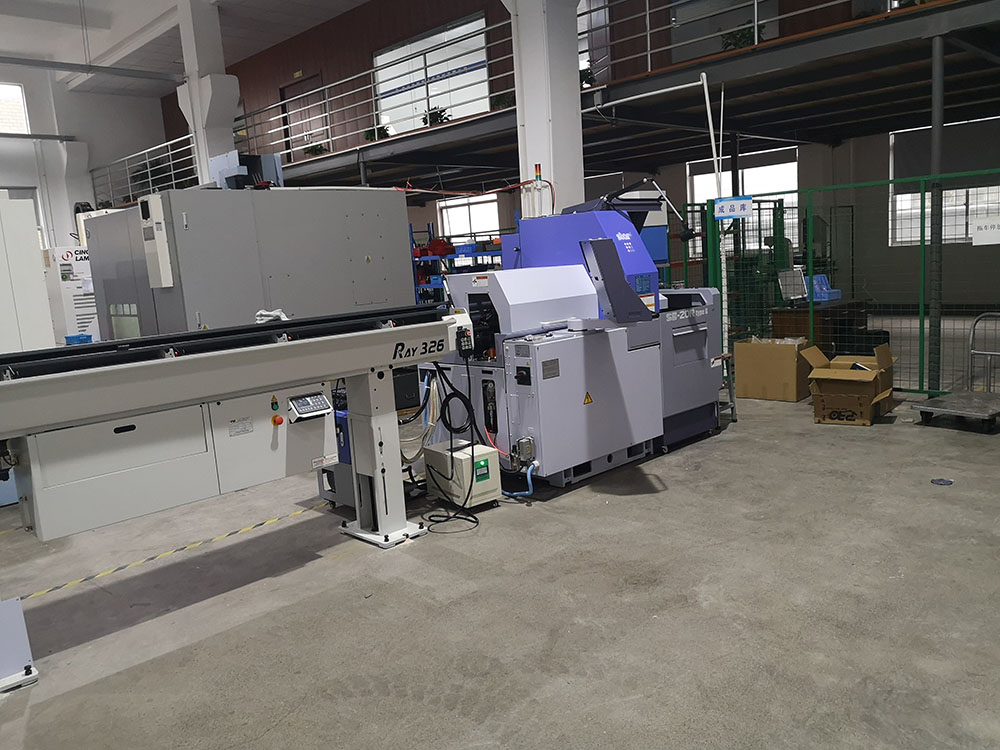
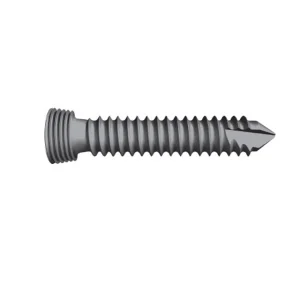
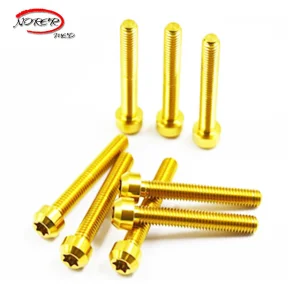
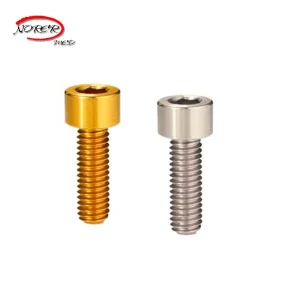
Utilizing high-end Tornos and Citizen CNC lathes, we produce locking bone screws and hip/knee hardware with tolerances tighter than ±5 microns, guaranteeing consistent thread pitches and optimal mechanical fitment.

3. Advanced Bio-Active Coatings

Applying vacuum plasma spray techniques, we coat femoral stems and tibial trays with Hydroxyapatite (HA) or porous titanium, encouraging accelerated osseointegration and lowering the rate of aseptic loosening.

3. Supply Chain Resilience: The Chinese Manufacturing Advantage

For B2B procurement agents in Southeast Asia, maintaining low inventory carrying costs while preventing stockouts of critical sizes is a balancing act. Maka Medical Technology, strategically situated in the Changzhou medical cluster (Jiangsu Province, China), offers a robust alternative to high-cost Western suppliers. The advantages of partnering with a Chinese supplier include:
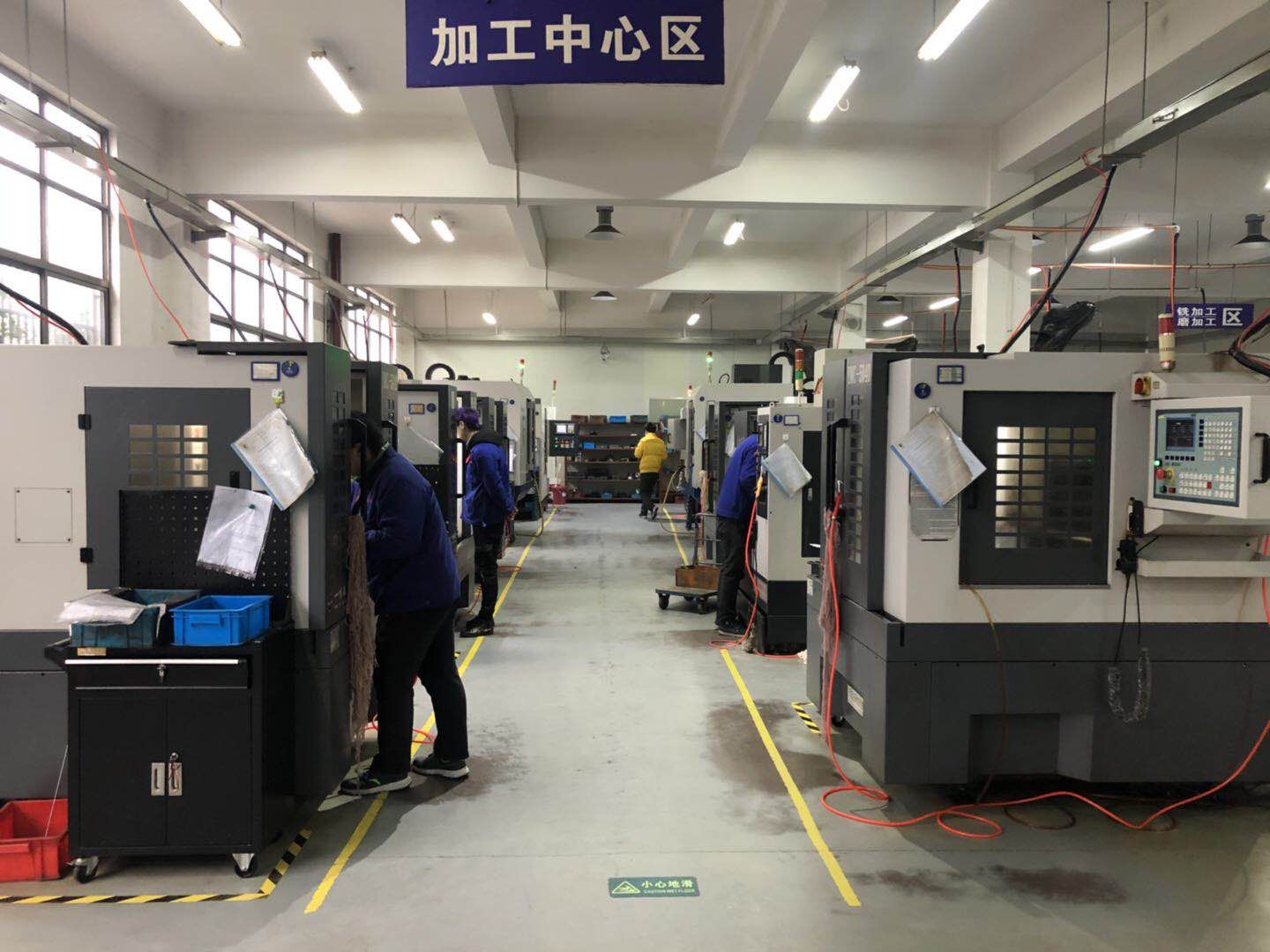
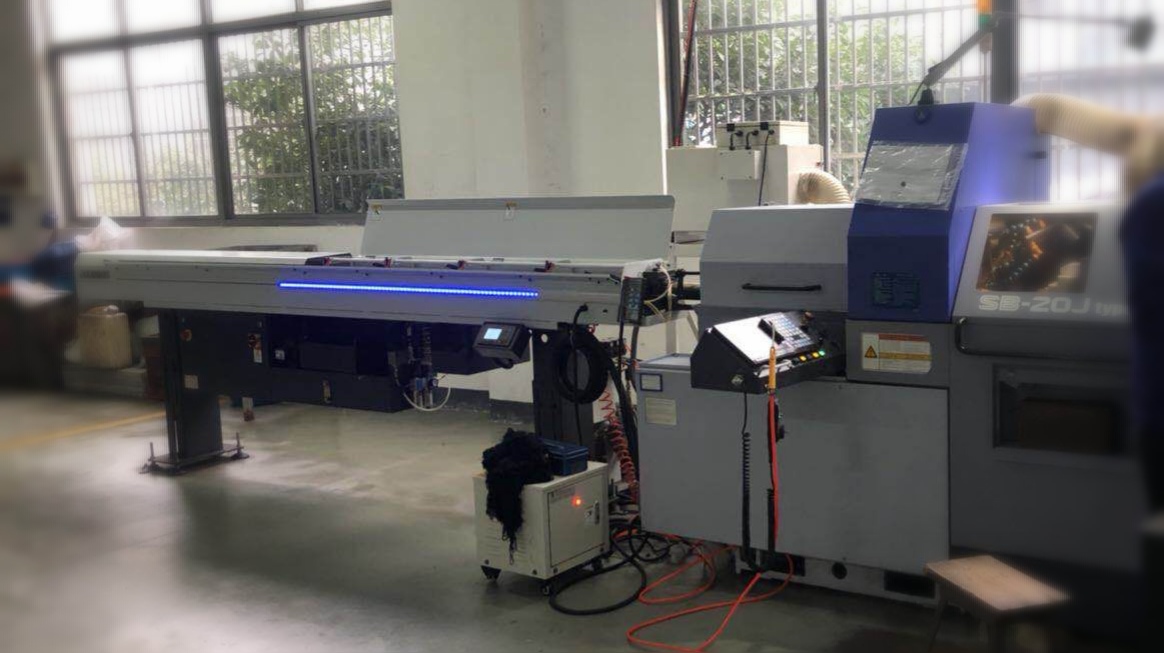
  • Consolidated Industrial Cluster: Changzhou is globally recognized as the epicenter of orthopedic implant fabrication in China. We share immediate logistics with specialized surface treatment labs, anodizing factories, cleanroom packaging services, and raw material suppliers, reducing lead times to a fraction of the market standard.
  • Cost-Effective Scaling: With a skilled engineering workforce and highly optimized production routines, we manufacture surgical-grade implants with substantial cost savings, enabling local distributors to secure competitive tenders in both public and private hospital sectors.
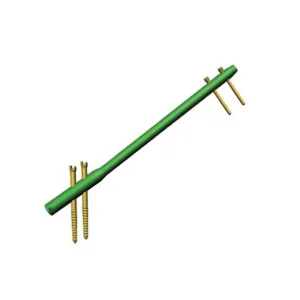
  • Flexible Customization (OEM/ODM): We quickly adapt setups to fabricate specific trauma plates, spinal systems, or interlocking nails matching Malaysian clinical guidelines, with support for customizable branding and localized packaging designs.
Precision Machining Cleanroom Facilities Maka Medical Orthopedic Implant Quality Assurance Testing Advanced Spine and Joint Manufacturing Line

4. Clinical Applications of Trauma & Spinal Solutions

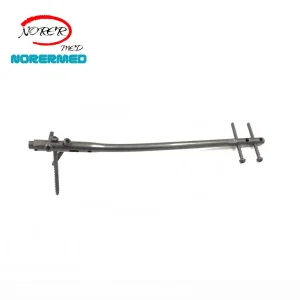
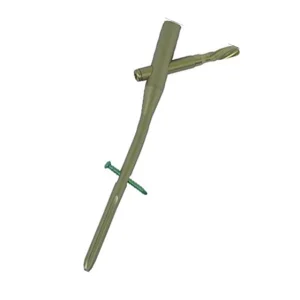
While primary joint arthroplasty (total hip and knee replacements) is growing, orthopedic trauma care remains highly active in Malaysia due to industrial and road traffic accidents. High-reliability trauma interlocking nails and locking bone screws are crucial for stabilizing femoral and tibial fractures. The implementation of modern titanium interlocking nails enables early weight-bearing and accelerates rehabilitation times for patients in regional clinics.

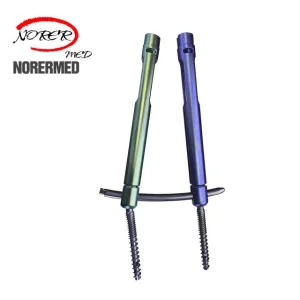
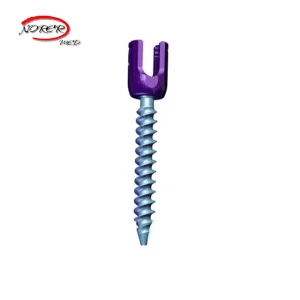
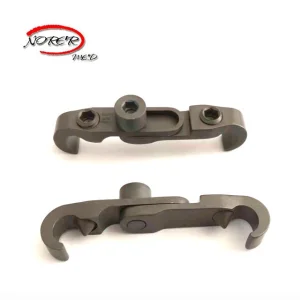
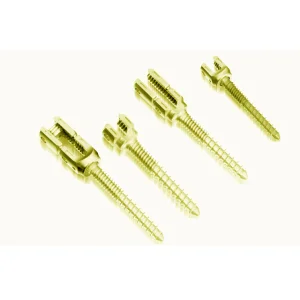
Furthermore, spinal conditions such as degenerative disc disease and spondylolisthesis require stable implants. Our PEEK and titanium spinal pedicle screws are engineered to deliver reliable spinal fixation, maintaining mechanical stability during spinal fusion procedures.

Manufacturer Profile: Maka Medical Technology Co., Ltd.

Company Name
Maka Medical Technology Co., Ltd.
Headquarters Location
Changzhou City, Jiangsu Province, China
B2B Platform Tenure
10 Years Registered Partner
Key Focus Area
Orthopedic Trauma Plates & Screws, Spine Pedicle Systems, Interlocking Nails, PEEK Lumbar & Cervical Cages.
Primary Operations Model
Manufacturing & Strategic Trading Partnerships
Workforce Scale
11 - 50 Technical Experts & Support Staff
Global B2B Capabilities: We are based in the orthopedic production hub of Changzhou. Our facility specializes in producing surgical bone plates, screws, interlocking nails, spinal pedicle systems, cervical plates, and PEEK implants, offering medical device distributors in Malaysia and internationally a reliable and efficient manufacturing partner.

Frequently Asked Questions (FAQ)

Technical and regulatory insights for hospital procurement and distribution partners in Malaysia.

1. Does Maka Medical support MDA registration under the Malaysian Medical Device Authority?
Yes. We provide complete technical files (TDF), including raw material trace records (ISO 5832-3/ASTM F136), mechanical testing data, ISO 13485 certificates, and sterilization validation reports, helping local Authorized Representatives (AR) in Malaysia register our products via the MeDC@St platform.
2. Can you modify implant sizes to better fit the physical dimensions of Asian patients?
Yes. Our manufacturing lines can adjust to produce smaller medullary canal diameters, specialized neck angles, and high-flexion components, meeting the anatomical requirements of patients in Southeast Asia.
3. What is the typical production and shipping timeline to Malaysia?
For standard catalog products, orders are typically prepared within 15–30 days. Our proximity to major shipping hubs in Shanghai and Ningbo allows for fast transport to Port Klang or Penang Port, or quick air freight for urgent clinical needs.
4. What materials are used in your spinal cages and joint implants?
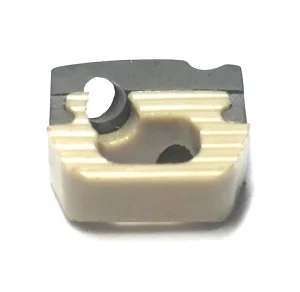
We use medical-grade Titanium Alloy (Ti-6Al-4V ELI) and PEEK-OPTIMA (from Invibio) for spinal cages. These materials ensure high fatigue strength, biocompatibility, and excellent imaging properties during follow-up scans.
5. Do you offer OEM/ODM services for orthopedic distributors in Kuala Lumpur?
Yes. We provide complete OEM/ODM options, including customized laser etching of product codes, logo branding, and tailored packaging designs that meet local medical distribution standards.

Establish a Resilient Orthopedic Supply Partnership

Get in touch with our engineering and regulatory teams to request sample evaluations, pricing sheets, or detailed material analysis reports.

Send Inquiry Now