Maka Medical Surgical
Maka Medical Surgical
Maka Medical Surgical
High-precision orthopedic implants engineered with clinical-grade titanium and polymer technologies designed for the Portuguese National Health Service (SNS) and private hospital networks.
A professional deep-dive into the demographics, clinical pathways, and standard qualifications governing hip and knee replacements in Iberian clinical networks.
The Portugal healthcare sector, governed by the Serviço Nacional de Saúde (SNS) alongside rapidly growing private healthcare operators like Luz Saúde, CUF, and Lusíadas, is experiencing an unprecedented rise in total hip arthroplasty (THA) and total knee arthroplasty (TKA). Driven by an aging population demographics—where individuals aged 65 or older make up over 22% of the Portuguese population—the orthopedic surgery landscape requires surgical devices that offer both high durability and cost efficiency.
Historically, Portuguese medical institutions have relied on Western European and North American manufacturing hubs. However, the pressure on public healthcare budgets and tender requirements has triggered a paradigm shift. Today, Portuguese medical purchasing groups and distributors actively seek direct partnerships with ISO 13485-certified factories in China that can provide high performance without premium brand inflation. This evolution demands robust supply lines certified under the new European Medical Device Regulation (EU MDR 2017/745).
Every hip and knee prosthesis imported into Portugal must bear the CE mark, backed by comprehensive Technical Documentation (TD) and Class III classification audits. This includes rigid Post-Market Surveillance (PMS) reporting and bioceramics/titanium biocompatibility validation according to ISO 10993 series.
Components must meet ASTM and ISO standards for fatigue limits. Femoral stems undergo intensive cyclic fatigue testing (ISO 7206), and knee bearing components undergo wear analysis (ISO 14243) simulating millions of gait cycles to ensure long-term in-vivo survivorship.
Modern prosthesis design focuses on optimizing the bone-implant interface. While femoral stems utilize Titanium Alloy (Ti-6Al-4V ELI) for high flexibility matching human cortical bone, knee joint configurations rely on Cobalt-Chromium-Molybdenum (CoCrMo) alloys paired with Ultra-High-Molecular-Weight Polyethylene (UHMWPE) or highly cross-linked polyethylene (HXPE) to limit friction coefficients. Furthermore, biological fixation is achieved using Plasma Spray Titanium coating and Hydroxyapatite (HA) surface finishes that stimulate immediate bone ingrowth, eliminating the necessity for bone cements in younger, active Portuguese patients.
Bridging Chinese high-precision manufacturing capacity with stringent European clinical guidelines.
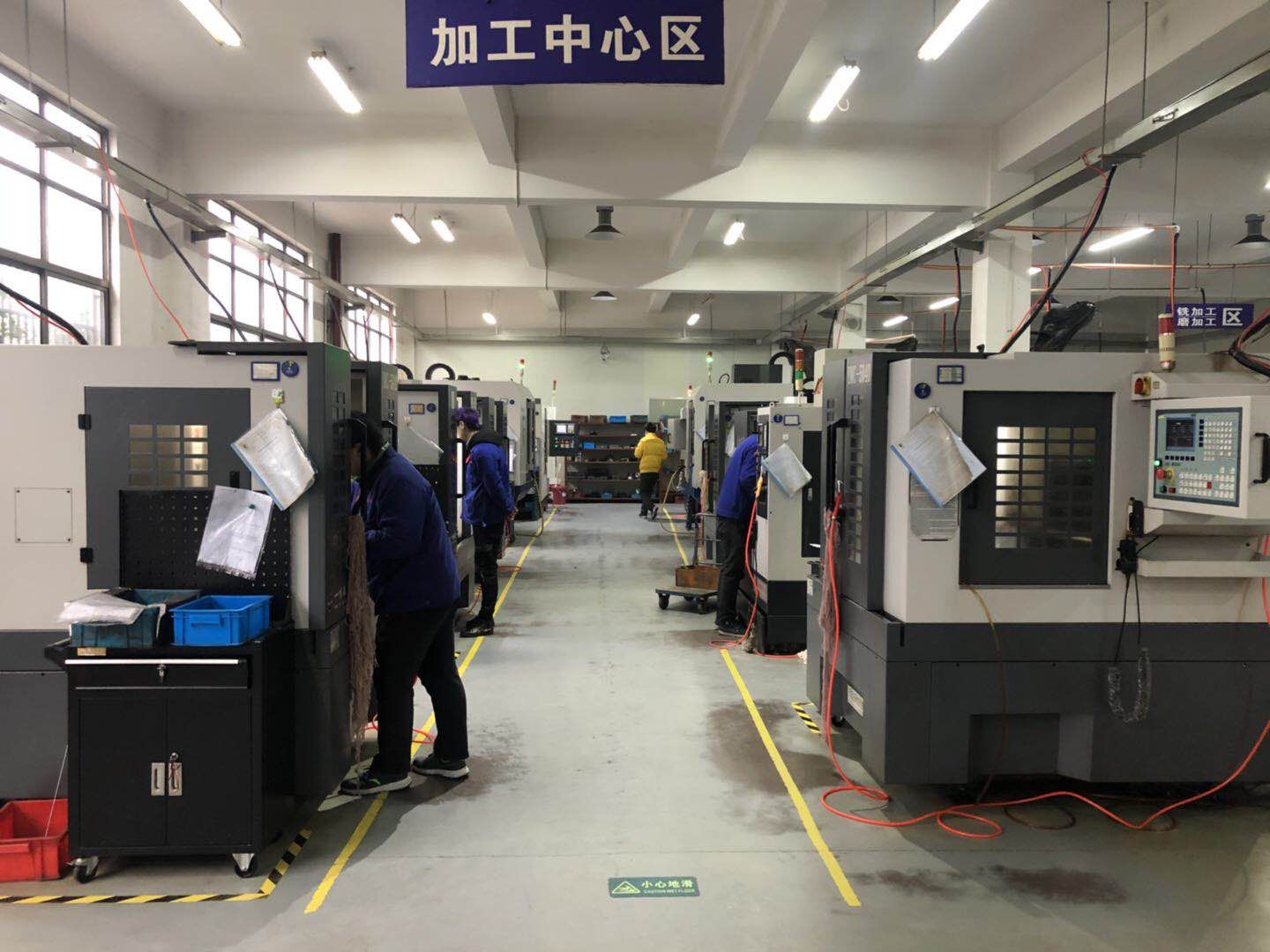
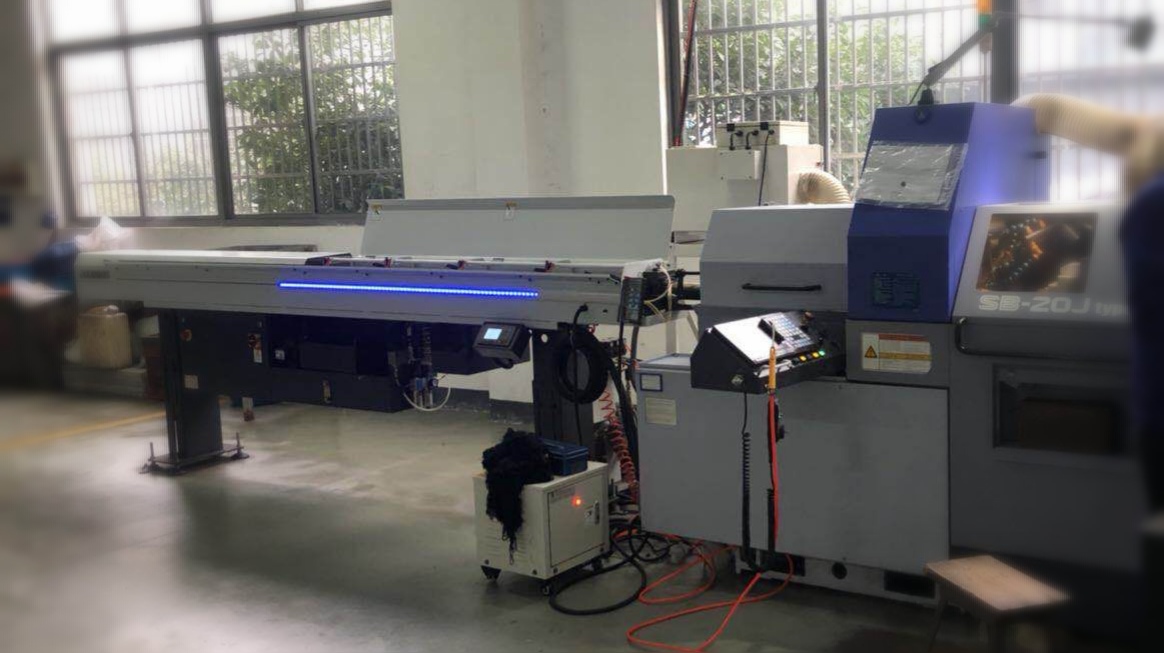
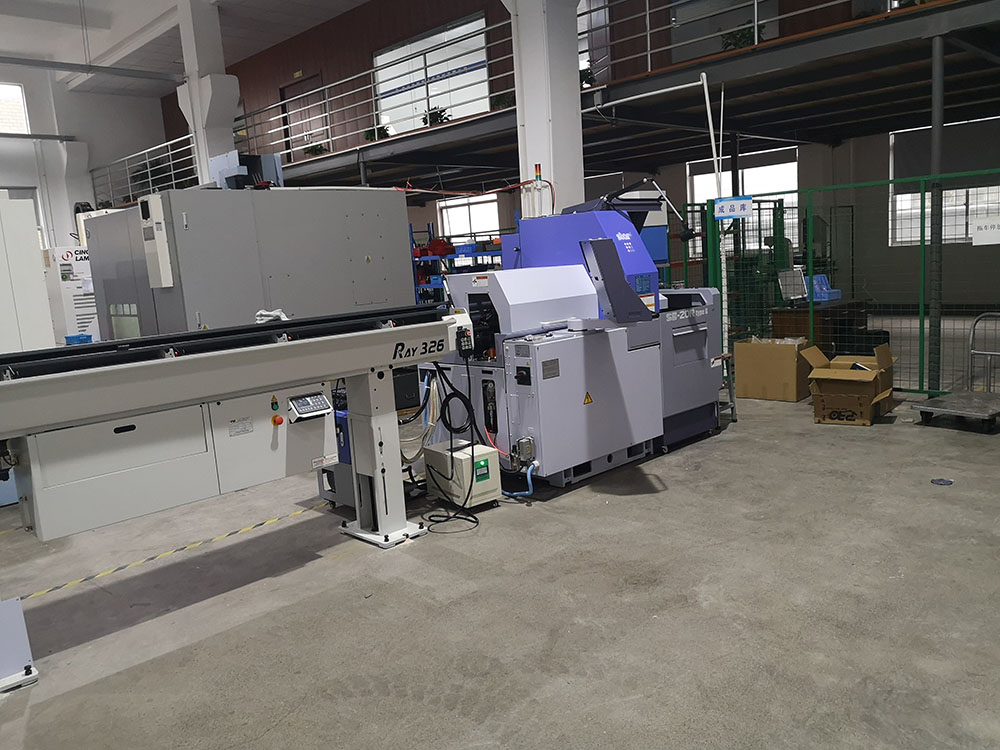
Located in Changzhou City, Jiangsu Province—the epicenter of China's medical device manufacturing industry—Maka Medical Technology Co., Ltd. has established a sophisticated ecosystem for orthopedic trauma and joint repair engineering. As a factory combined with professional trading operations, we leverage state-of-the-art multi-axis CNC Swiss machining systems, high-precision milling, and fully automated chemical anodization lines to produce implants that rival Western counterparts at a fraction of the cost.
Our strategic manufacturing advantages include:
Direct factory infrastructure parameters and compliance standards.
Maka Medical Technology Co., Ltd. is a high-tech developer and manufacturer specializing in bone healing and joint restoration devices. Located in Changzhou, China, our product catalog spans orthopedic trauma bone plates, bone screws, interlocking intramedullary nails, spine pedicle screw systems, cervical plates, and PEEK cervical/lumbar cages.
Key technical and commercial answers for orthopedic procurement managers in Lisbon, Porto, and Coimbra.
Full inventory of titanium hardware, trauma fixation sets, and veterinary surgical components.