Maka Medical Surgical
Maka Medical Surgical
Maka Medical Surgical
Explore our precision-engineered implant assemblies and structural stabilization components crafted under rigorous ISO 13485 protocols.
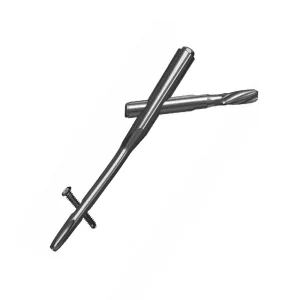
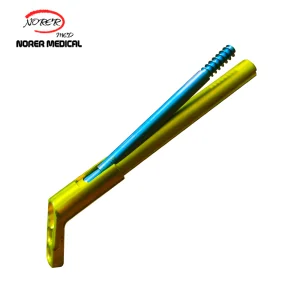
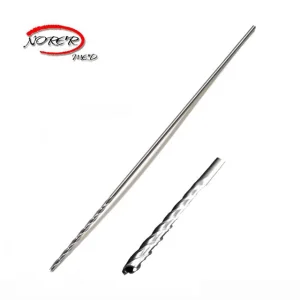
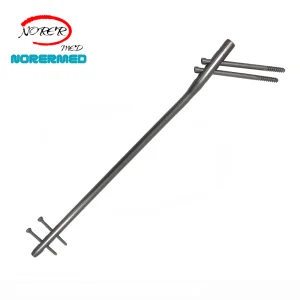
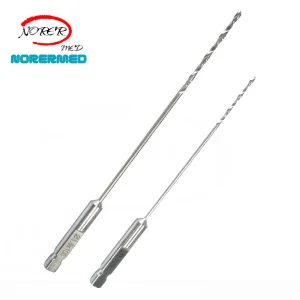
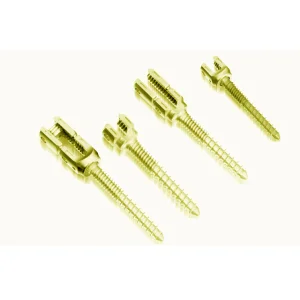
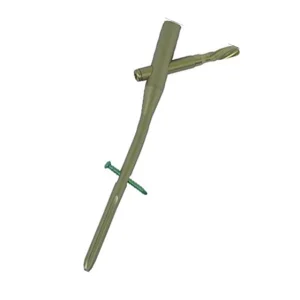
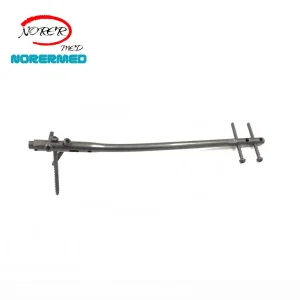
The orthopedic and stabilization industry is transitioning through a paradigm shift. Today, global supply chains demand not just mechanical support, but highly optimized biomechanical interfaces. The global knee braces and support market, valued at USD 1.8 Billion in 2023, is projected to expand at a compound annual growth rate (CAGR) of 6.2% through 2030. This growth is driven by three main factors: an aging global demographic, a rising incidence of sports-induced ligamentous injuries (such as ACL, MCL, and meniscus tears), and a rising demand for non-invasive postoperative stabilization solutions.
Historically, external stabilization (knee braces, ROM hinges, and support orthoses) operated separately from internal orthopedic implants. In modern orthopedic medicine, these systems work together. Post-operative protocols require rigid internal fixation (such as titanium interlocking intramedullary nails or femoral neck plate systems) to be protected by external, high-load knee braces. These braces control rotation, extension, and flexion angles during early rehabilitation phases. B2B healthcare distributors, medical institutions, and retail channels require dynamic products that provide biomechanical safety while maintaining cost efficiency.
Modern Range of Motion (ROM) hinges require aerospace-grade aluminum or medical-grade titanium structures. They must allow accurate dial-in limits for flexion (0° to 120°) and extension (0° to 90°) to prevent hyper-extension during recovery.
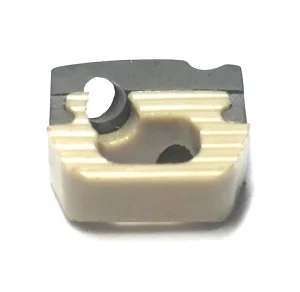
Working with medical-grade titanium alloys (Ti-6Al-4V) and advanced polymers like PEEK and carbon-fiber composites ensures lightweight structures, structural durability, and minimal skin irritation during prolonged wear.
From custom strap lengths and breathable spacer-fabrics to integrated telemetry sensors, manufacturers must offer custom OEM solutions that match clinical guidelines and brand specifications.
China's role as a leading manufacturer of orthopedic implants and stabilization braces is backed by integrated industrial clusters. Located in Changzhou City, Jiangsu Province, our manufacturing center benefits from a complete medical device ecosystem. This concentration of specialized suppliers reduces supply chain fragmentation, allowing us to manage lead times, optimize raw materials, and maintain strict quality standards.
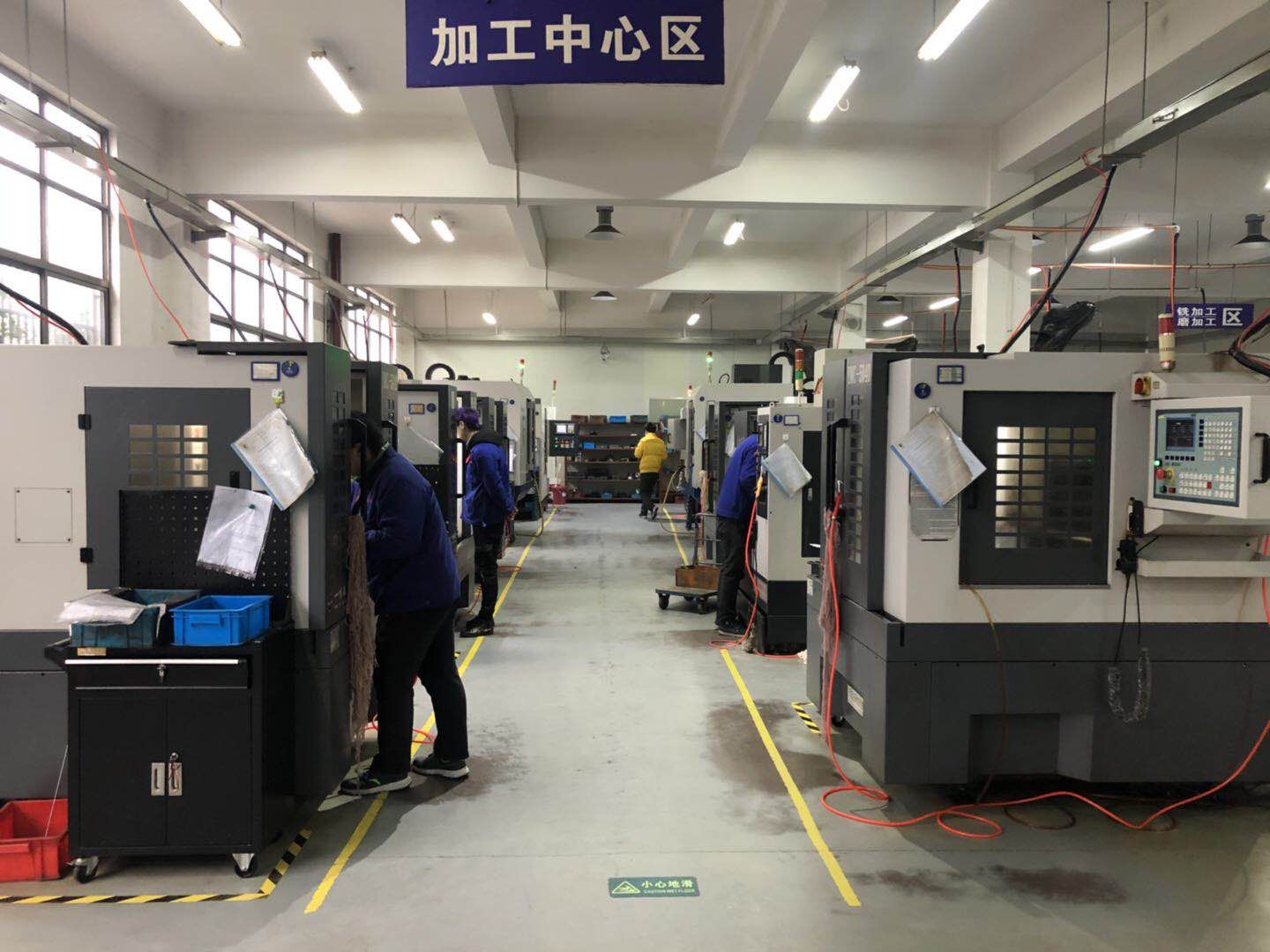
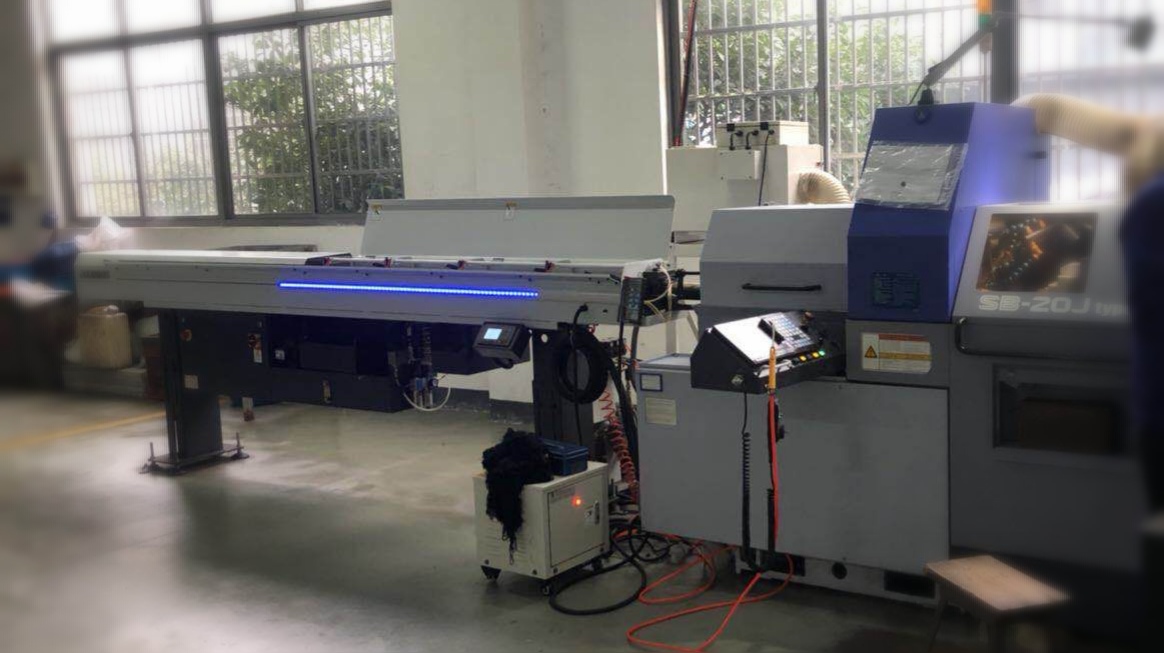
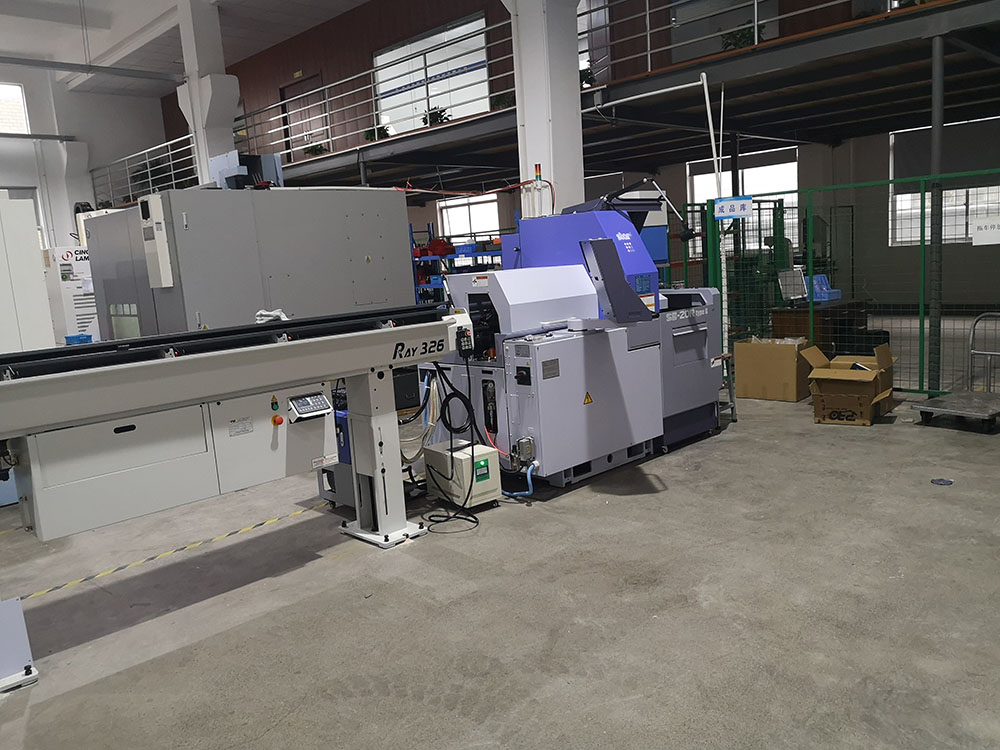
Our manufacturing system combines vertical integration with specialized automation. From raw material sourcing (highly biocompatible titanium alloys, medical stainless steels, and performance plastics like PEEK) to high-speed 5-axis CNC machining, Swiss-type lathe processing, laser marking, and advanced anodization, every step is completed in-house or within our immediate cluster. This configuration eliminates intermediate transport delays, lowers cross-border logistics costs, and allows for rapid prototyping cycles.
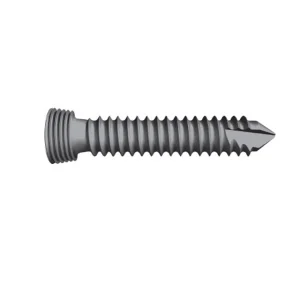
Furthermore, our facility maintains a clean-room environment matching Class 100,000 standards. This is essential for both implantable orthopedic products (such as PFNA interlocking nails, locking screws, and cervical plates) and sterile external instrumentation. This clean-room capability prevents contamination, meeting international standards like FDA 510(k), CE mark, and local NMPA certifications.
Every knee brace and stabilization system must be tailored to its specific clinical application. A generic, one-size-fits-all design can lead to incorrect loading and secondary injuries. Below are key application scenarios where our engineered supports and companion orthopedic implants are utilized:
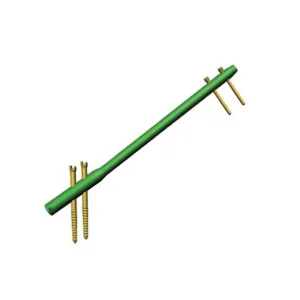
Following high-impact bone trauma, surgeons rely on devices like our *Titanium Interlocking Nails (PFNA)*, *Femoral Neck Nail Systems*, or *Cortical/Cancellous locking plates*. After surgery, the patient needs external stabilization to protect the surgical site. Here, rigid, structural knee braces with micro-adjustable ROM hinges manage initial loading. They help prevent rotational shear on the healing bone while allowing controlled early mobilization.
Ligament tears require targeted knee bracing. During the acute post-injury phase, the brace locks the joint in full extension. As healing progresses, the joint is gradually opened in controlled increments (e.g., 10° or 20° steps). The lightweight structural frames must handle high lateral force to prevent varus or valgus deviation, keeping the healing ligament aligned.
For patients with unicompartmental osteoarthritis, unloader knee braces redirect compressive loads away from the damaged joint surface. Using a three-point leverage system, these braces apply corrective force to transfer pressure to the healthier compartment of the knee, reducing pain and delaying the need for total knee arthroplasty (TKA).
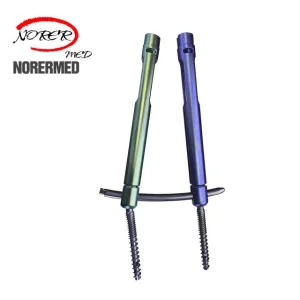
Veterinary orthopedics has seen a surge in demand for human-grade implants and structural supports. Devices like our *Veterinary Titanium Pedicle Screws* and veterinary locking nails are used to treat canine hip dysplasia and cruciate ligament ruptures. High-durability external stabilization helps support active animals post-surgery, protecting the internal repair during recovery.
In sports like football, skiing, and motocross, preventive bracing helps reduce the risk of structural joint failures. These braces feature rigid carbon-fiber or titanium-composite frames that absorb external forces before they reach the knee joint. This design helps protect the knee during high-impact movement.
The orthopedic industry is adopting smart technologies and materials designed to improve patient outcomes. As a forward-thinking manufacturer, we track and integrate these trends into our production cycles:
1. Smart Sensor Integration & Telemetry: Next-generation knee braces are incorporating embedded strain gauges, accelerometers, and angle sensors. These components collect real-time data on joint extension, gait symmetry, and patient compliance, sending it directly to physical therapists via mobile apps. This telemetry allows for objective tracking of patient recovery.
2. Bio-absorbable & Advanced Polymeric Alloys: PEEK (Polyetheretherketone) is highly regarded for its biocompatibility and radiolucency. In external bracing, composite polymers are replacing heavy metal elements to reduce weight while maintaining high tensile strength.
3. Custom 3D Printing (Additive Manufacturing): Instead of relying on standard sizing charts, modern manufacturers are using 3D scans of the patient's limb to print custom-fit structural panels. This approach ensures optimal pressure distribution, reduces skin breakdown, and improves corrective load vectoring.
Procuring medical hardware and orthopedic braces requires strict regulatory compliance, consistent manufacturing quality, and reliable logistics. B2B buyers must review several criteria during supplier audits:
Quality Management Standard (ISO 13485): Ensure the manufacturer operates under a certified ISO 13485 system. This requires complete traceability of raw materials, calibrated manufacturing equipment, and a sterile packaging protocol that protects product integrity.
Material Certifications (MTRs): Request Mill Test Reports (MTRs) for titanium alloys (such as Ti-6Al-4V ELI) and implantable stainless steel. These reports verify biocompatibility, tensile strength, yield strength, and microstructure, ensuring they meet ASTM/ISO specifications.
Customized Prototyping & OEM Capability: A reliable manufacturer should offer fast prototyping. Using CAD/CAM integration, we can turn custom designs into functional metal or plastic prototypes within short lead times. This agility is vital for developing new joint stabilization products.
We use medical-grade Titanium Alloys (specifically Ti-6Al-4V ELI / TC4), biocompatible Stainless Steels (such as 316LVM), and advanced medical-grade engineering polymers like PEEK (Polyetheretherketone). For external orthopedic support components, we use structural aerospace-grade aluminum (6061-T6) and breathable spacer fabrics to ensure durability and comfort.
Every batch of raw metal or plastic alloy we source is accompanied by a certified Mill Test Report (MTR). We maintain material lot tracking from raw ingot form, through CNC machining, anodizing, passivating, and final packaging. This process ensures complete traceability for quality control and regulatory audits.
Yes. We provide complete OEM/ODM services, including CAD design, CNC prototyping, mold development, custom metal finishing, and private label packaging. Our engineers in Changzhou work directly with your design files (STEP, IGES, or DWG) to manufacture customized orthopedic components.
Lead times depend on product complexity and order volume. For standard components in stock, we ship within 3–7 business days. For customized production runs or large bulk orders, production cycles typically take 25–45 days, supported by our efficient supply chain in the Changzhou industrial hub.
Following procedures like intramedullary nailing (e.g., PFNA for femoral fractures) or bone plate fixation, the bone must be protected from bending and twisting forces. An external ROM (Range of Motion) knee brace supports the internal hardware by absorbing joint loads and limiting movement to safe angles during recovery.
We manufacture in compliance with ISO 13485 medical device quality systems. Our manufacturing facilities are equipped to support clean-room packaging requirements, and our products are designed to meet CE and FDA registration standards for international export.
Yes. We manufacture veterinary implants, including pedicle screws, locking plates, intramedullary nails, and custom veterinary orthopedic devices. These products are engineered for the specific anatomical needs and dynamic loads of small and large animals.
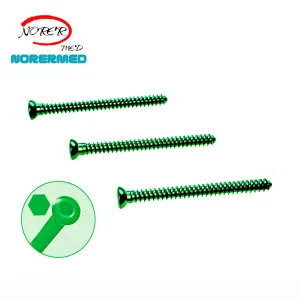
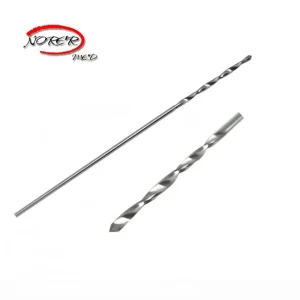
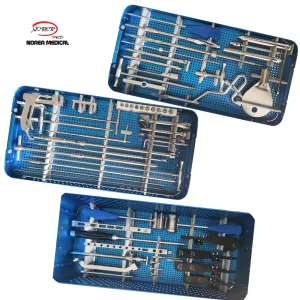
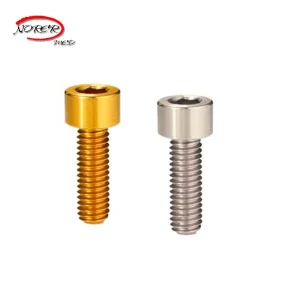
View our range of precision-machined fixation screws, specialized bone drill bits, and veterinary-grade orthopedic implants.