Maka Medical Surgical
Maka Medical Surgical
Maka Medical Surgical
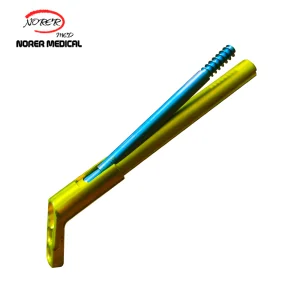
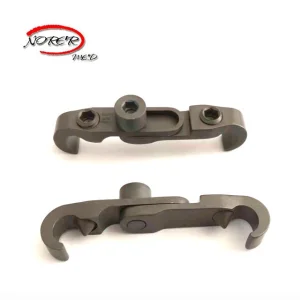
Explore our core catalog of surgical-grade components manufactured under strict ISO 13485 standards. These high-precision implants and specialized toolsets serve as the foundational mechanical platform for modern smart-implant integration and post-operative orthopedic recovery monitoring.
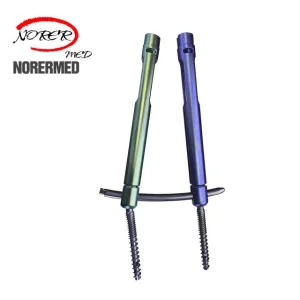
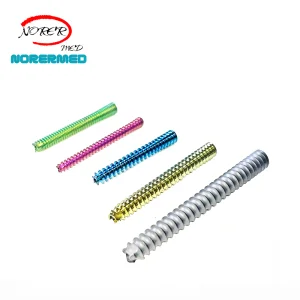
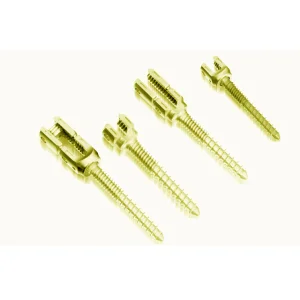
The global medical technology ecosystem is undergoing a fundamental structural transition. Traditional orthopedic implants—long revered purely for their mechanical load-bearing capacity—are transforming into active, data-generating medical nodes. Remote Patient Monitoring (RPM) and telemetry are no longer limited to external patches or wristbands; they are directly integrating with the orthopedic hardware implanted in patients' skeletal structures.
In this evolving landscape, China has transitioned from a high-volume manufacturing center to a high-precision, R&D-driven incubator. Chinese manufacturing hubs, specifically cluster zones in Changzhou, Jiangsu, are spearheading the mass integration of biocompatible electronics, strain-gauge sensor pockets, and low-latency wireless transmitters inside surgical implants. This convergence allows orthopedic specialists to remotely assess spinal fusion stabilization, detect micro-motion in locking plates, monitor joint loads, and track localized infections via real-time telemetry data.
Understanding the trajectory of smart orthopedics is vital for global medical procurement teams and surgical hardware developers. Below are the defining industry trends guiding current OEM/ODM R&D pathways in China's top medical technology centers.
Modern orthopedic bone plates and pedicle screws are increasingly designed to house passive, battery-free sensors. By utilizing radiofrequency identification (RFID) or Near Field Communication (NFC), external reader wands can extract diagnostic stress, load, and internal temperature data during brief clinical evaluations, eliminating the need for internal battery power units.
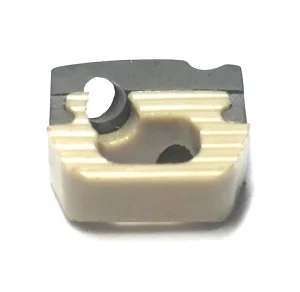
Integrating micro-electromechanical systems (MEMS) directly into titanium intramedullary nails or PEEK spinal cages has paved the way for real-time monitoring of bone density changes and postoperative mechanical strain. This allows clinical teams to catch hardware failure or non-union long before radiological evidence is visible.
By using multi-sensor nodes, next-gen devices monitor localized temperature variations and biochemical marker shifts. A micro-elevation in temperature, continuously uploaded via the patient’s home remote telemetry hub, flags possible post-surgical infection hours or days prior to systemic symptom onset, optimizing intervention times.
For medical device distributors, healthcare groups, and brand owners, identifying a competent Chinese manufacturing partner requires auditing factors far beyond baseline pricing. Strategic buyers prioritize absolute quality control and structural capability.
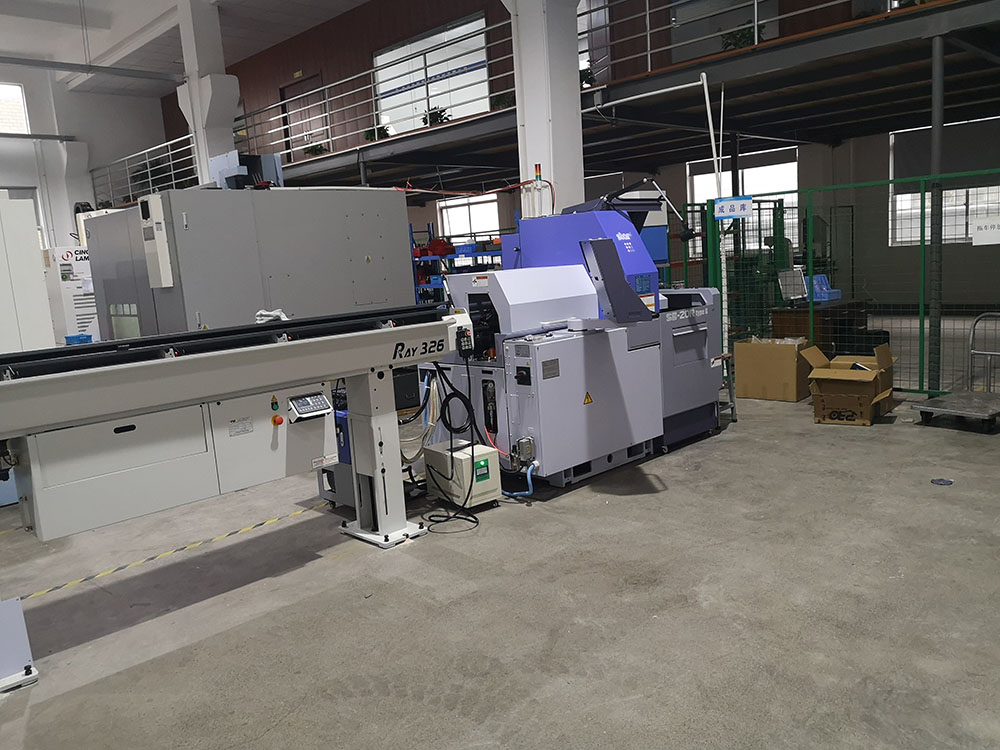
Implantable hardware must utilize medical-grade alloys like ASTM F136 Titanium or biocompatible plastics such as PEEK-OPTIMA. The manufacturing factory must house advanced Swiss-style longitudinal lathe CNC systems to ensure microscopic tolerance precision alongside ISO Class 7 (Class 10,000) cleanroom packaging zones.
A major differentiator for premier Chinese suppliers is complete transparency. Every single orthopedic screw, interlocking nail, or instrument kit must feature unique laser UDI (Unique Device Identification) serialization, tying the product back to its specific raw material batch, CNC operator profile, heat treatment curve, and sterilization record.
OEM buyers seeking smart device integration look for factories capable of executing complex internal milling and cavity fabrication. This involves creating space to house telemetry sensors within trauma plates or spinal screws without compromising the structural load limits or tensile strength of the implant.
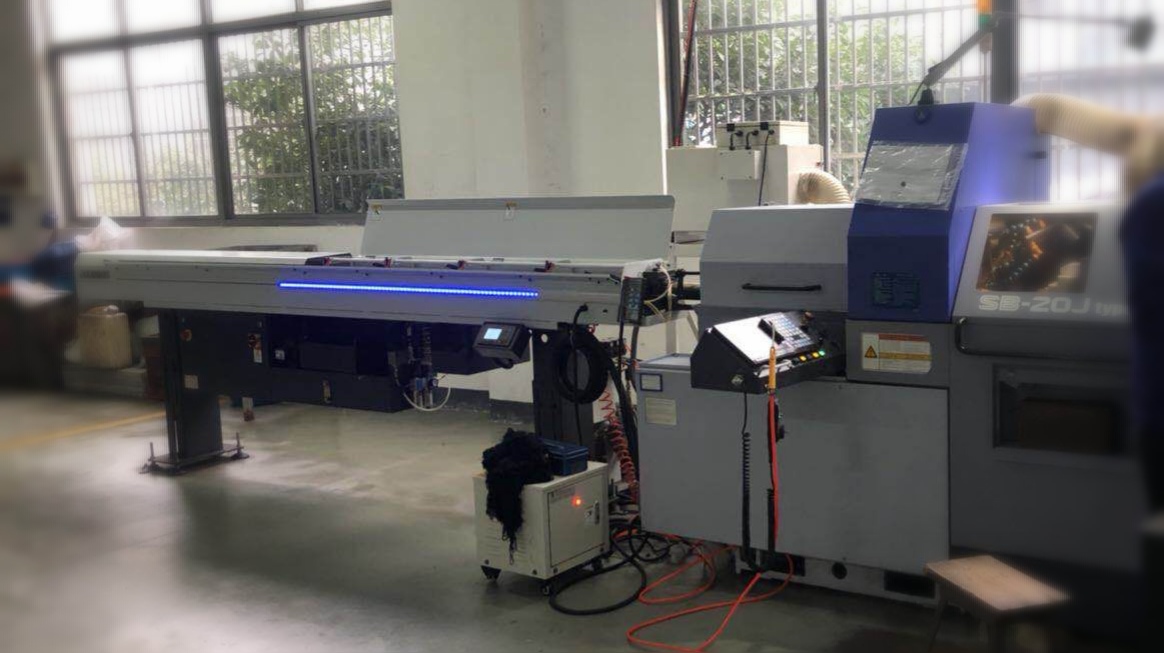
A complete hardware-software solution requires coordination across the entire clinical cycle. It is not enough to simply produce an implant; the manufacturer must understand how the implant interfaces with the tools, the surgeon, the wireless hub, and ultimately, the clinical team.
China's leading factories now provide comprehensive structural solutions, including:
To understand the capabilities of top-tier Chinese medical factories, look no further than Maka Medical. Strategically situated in Jiangsu's medical hub, Maka Medical integrates standard orthopedics with the foundational elements necessary for high-end electronic device encapsulation and structural metal machining.
Navigating the global regulatory landscape is the most critical hurdle for new smart orthopedic and remote monitoring deployments. Compliance cannot be an afterthought; it must be baked directly into the design phase of the manufacturing process.
Top China factories maintain comprehensive compliance frameworks matching FDA Class II and Class III requirements, along with European Medical Device Regulation (MDR 2017/745) alignment. Every material change, passivation cycle, or cleanroom packing step is thoroughly documented.
To facilitate seamless domestic approvals, leading exporters collaborate with local testing labs (SGS, TUV, Intertek) to compile complete biological evaluation reports (ISO 10993 series), mechanical fatigue reports (ASTM F382/F543), and electromedical safety tests where applicable.
From localized labeling matching UDI and GS1 global standards to multi-language sterilization instructions, strategic manufacturers ensure that products arrive ready to clear customs and immediately enter clinical supply chains without friction.
As smart orthopedics transitions from novelty to standard care, the technological roadmap focuses on three main engineering horizons. China's top factories are positioning their R&D investments to match these targets:
Future implants will feature piezo-electric materials that generate micro-currents from the patient's physical movements (walking, spinal flexion). This micro-energy will power telemetry sensors indefinitely, resolving the lifespan limitations of traditional lithium-ion micro-batteries.
The next step beyond remote monitoring is localized therapy. Implants will track bone non-union or healing plate movement, then deliver targeted electrical micro-stimulation to accelerate bone tissue growth, tracking recovery in real time.
Aggregated data collected via home telemetry hubs will feed into AI platforms, helping surgeons predict implant failure risks, recommend personalized rehabilitation pacing, and reduce long-term surgical revision rates.
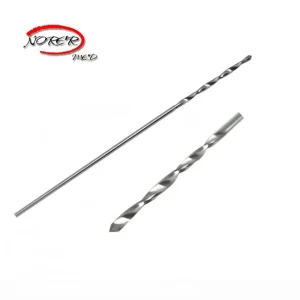
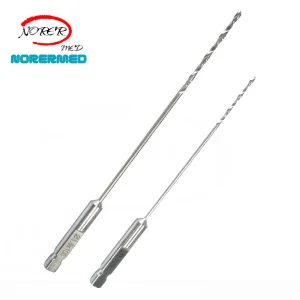
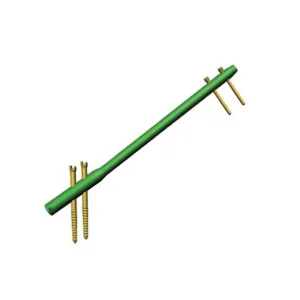
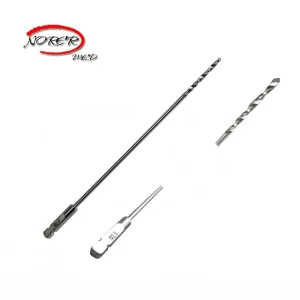
Review our second tier of precision-machined orthopedic screws, spinal fixation rods, PFNA kits, and specialized drilling tools designed for complex spinal, femoral, and tibial reconstructions.
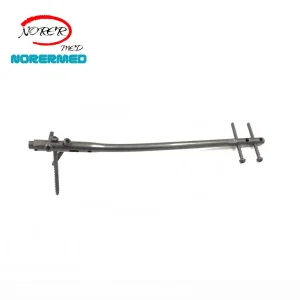
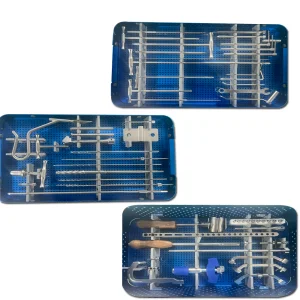
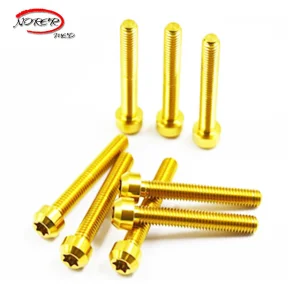
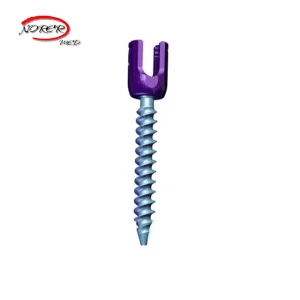
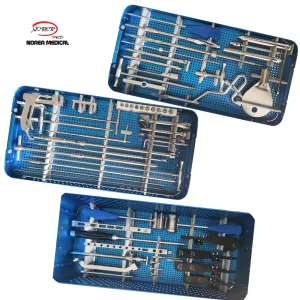
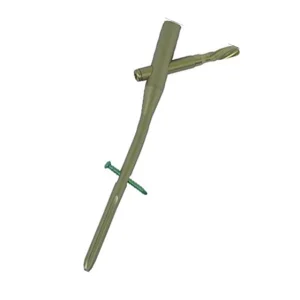
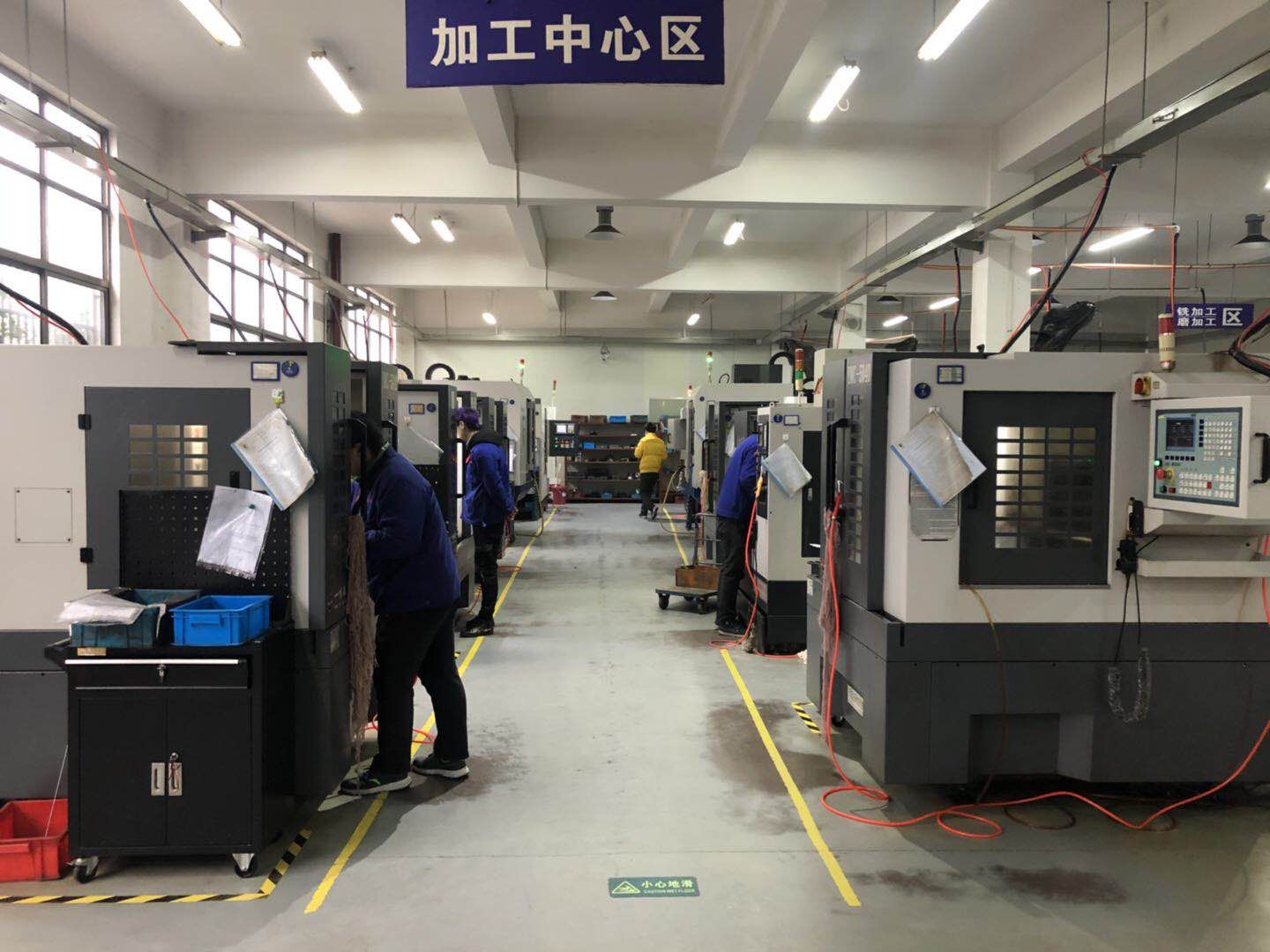
Take a look inside our cleanroom packaging zones, multi-axis machining floors, and advanced testing setups where Maka Medical components are constructed and packaged.