Maka Medical Surgical
Maka Medical Surgical
Maka Medical Surgical
Explore our highly engineered medical devices, constructed from certified biocompatible materials including Grade 5 Titanium (Ti-6Al-4V ELI), PEEK-OPTIMA, and implant-grade Stainless Steel. Fully aligned with international clinical standards.
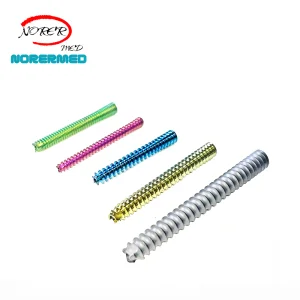
The global orthopedic medical device sector is undergoing a profound evolution driven by aging demographic profiles, advancements in trauma fixation techniques, and the rapid expansion of specialized veterinary orthopedics. Modern reconstructive surgeries require implants that not only offer supreme structural stability but also interface seamlessly with living tissue. Choosing the right exporter and manufacturing partner is paramount for distributors, hospital networks, and OEM brand owners worldwide.
Located in the historic manufacturing hub of Changzhou, Jiangsu, China, Maka Medical Technology Co., Ltd. has established itself as an authoritative manufacturer and trading entity in the global orthopedic arena. With over 10 years of export experience, our business model focuses on integrating clinical-grade raw material processing with modern CNC machinery.
We specialize in the fabrication of orthopedic trauma bone plates, locking screws, intramedullary interlocking nails, cervical spine plates, spine pedicle screws, and PEEK (Polyetheretherketone) cervical & lumbar cages. Serving an agile team of 11 to 50 highly specialized professionals, we bridge the gap between high-precision clinical manufacturing and international supply chains.
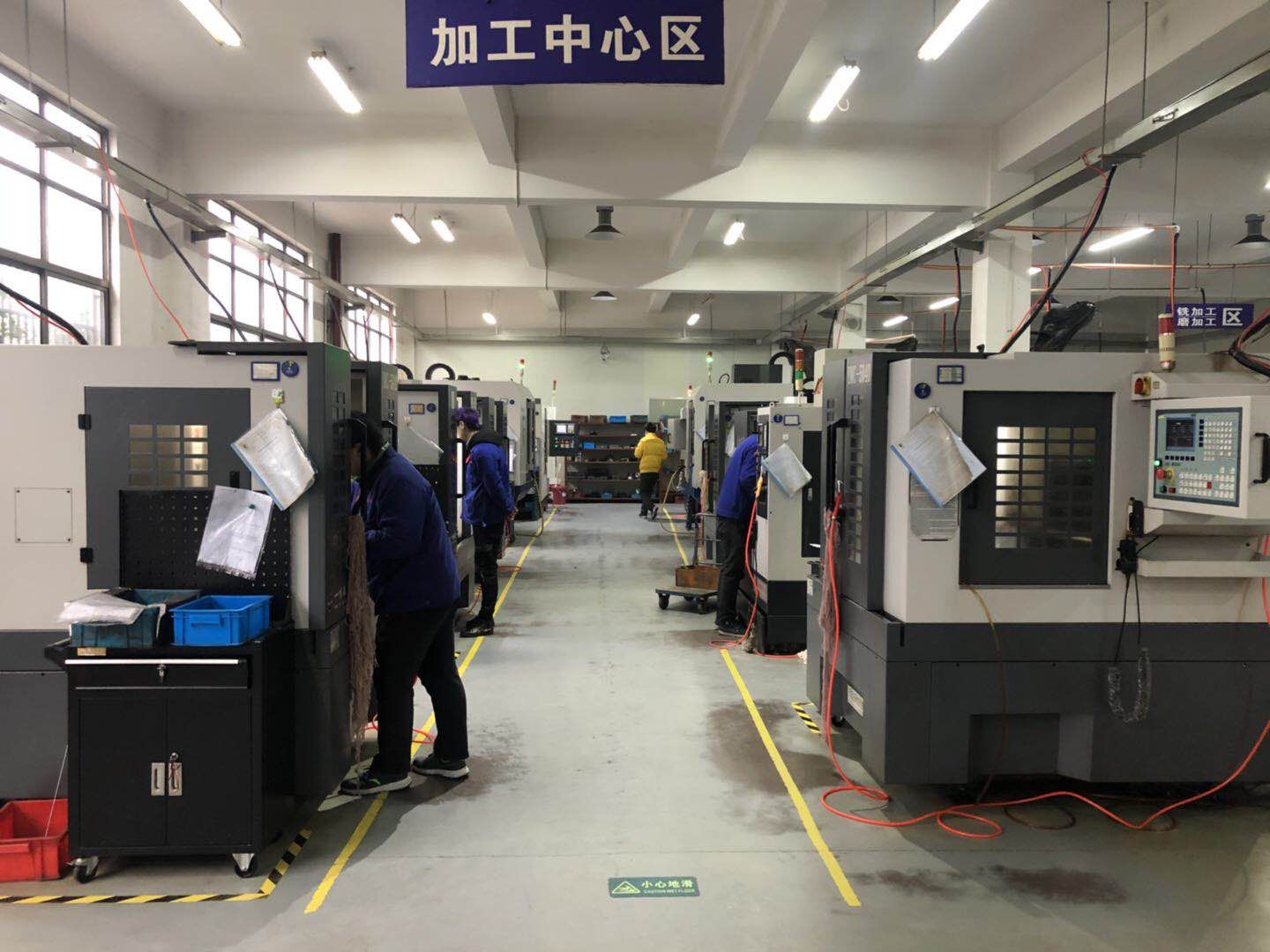
The concentration of orthopedic manufacturing in Changzhou provides significant structural advantages for global buyers. This manufacturing cluster offers integrated access to raw medical-grade materials, specialized heat treatment facilities, certified testing laboratories, and optimized custom packaging lines. Below is an evaluation of our operational infrastructure:
From initial titanium bar stock testing to multi-axis Swiss CNC machining and ultrasonic cleaning in Class 100,000 cleanrooms, our manufacturing is fully integrated to eliminate external dependencies and ensure quality control.
We source raw medical materials exclusively from verified mills. Titanium alloy (Ti-6Al-4V ELI) conforms to ASTM F136 standards, and PEEK options leverage implantable grade resins like PEEK-OPTIMA.
By keeping a strategic inventory of semi-finished implants and standardized screw blanks, we can slash average production lead times down by 30% compared to Western competitors, without risking quality.
Surgical implants demand robust biomechanical evaluation to prevent in-vivo failure. Maka Medical ensures all product designs are evaluated under simulated physiological conditions. Key technological parameters for our primary product lines include:
| Device Category | Primary Material Selection | Standards Compliance | Key Biomechanical Benchmarks |
|---|---|---|---|
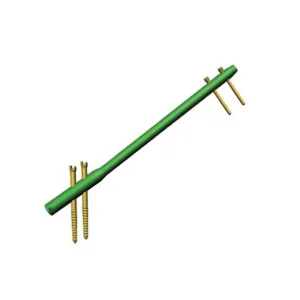
| Intramedullary Nails (PFNA) | Titanium Alloy (Ti-6Al-4V ELI) ASTM F136 | ISO 5832-3, ASTM F1264 | High fatigue strength, low bending stiffness to prevent stress shielding, optimal distal locking alignment. |
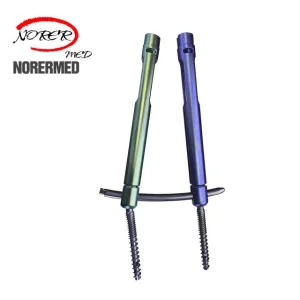
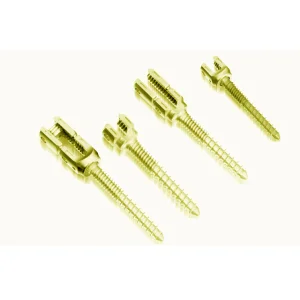
| Spinal Pedicle Screws | Grade 5 Titanium / CoCr Alloys | ASTM F1717, ASTM F543 | Optimal pull-out resistance, polyaxial angle flexibility up to 45°, tight thread-coupling tolerance. |
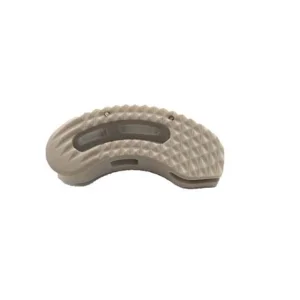
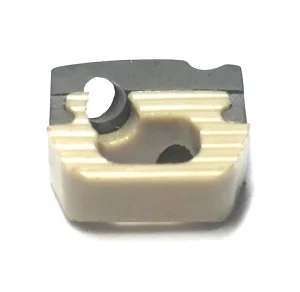
| PEEK Lumbar/Cervical Cages | Implant-Grade PEEK (Polyetheretherketone) | ASTM F2077, ASTM F1877 | Elastic modulus comparable to human cortical bone, radiolucency for clear post-op radiographic verification. |
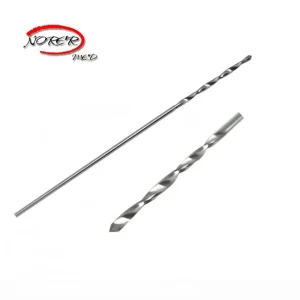
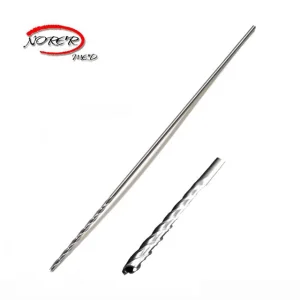
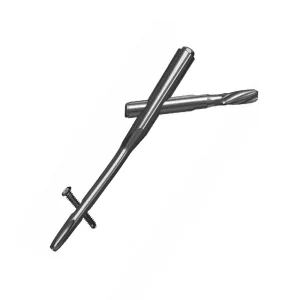
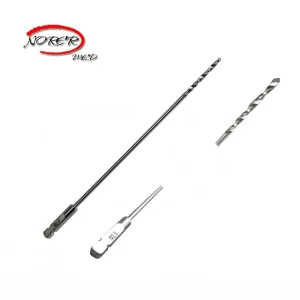
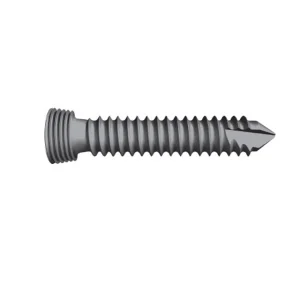
| Trauma locking Screws / Drill Bits | Medical Stainless Steel (316LVM) / Titanium | ISO 5832-1, ASTM F138 | Precision-ground flutes for thermal mitigation during bone drilling, high torque threshold resistance. |
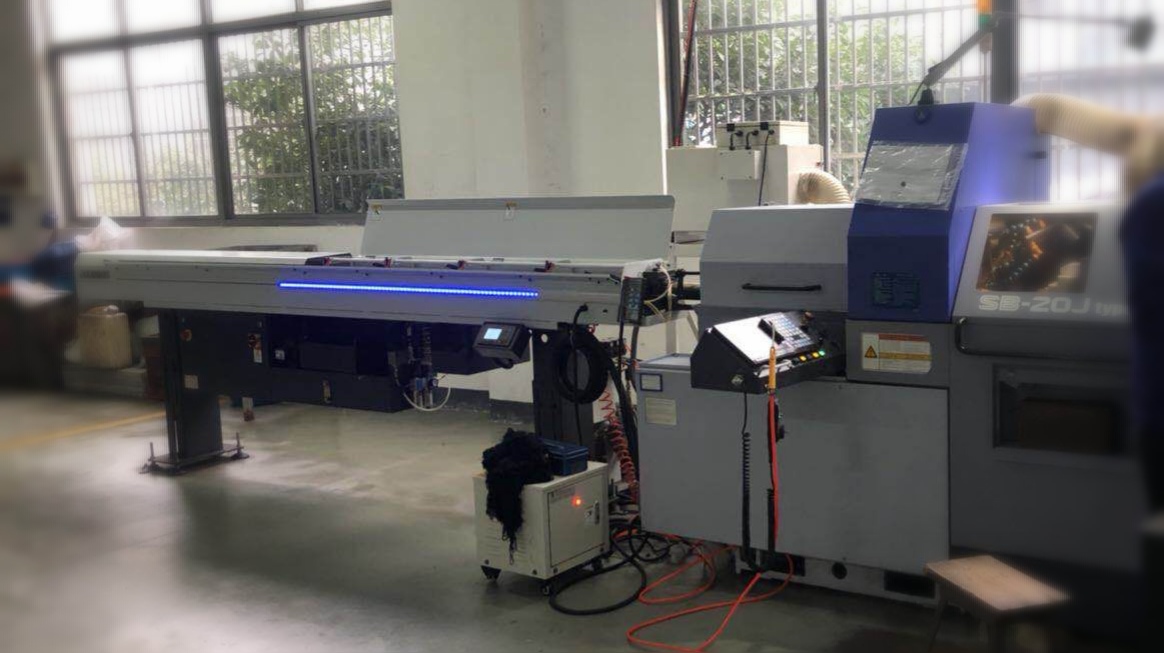
Our facility utilizes precision automated Swiss-type lathes to guarantee tolerances within ±0.005mm. For trauma implants, we employ advanced anodic oxidation surface treatments to color-code components according to clinical size profiles, which also enhances corrosion resistance.
For spinal cages, PEEK's chemically inert nature is paired with precise micro-grooving to promote primary mechanical stability and foster osseointegration at the vertebral endplates.
Modern clinical needs demand tailored solutions. Maka Medical meets these requirements by offering dual manufacturing pathways specifically targeted to human surgical procedures and specialized veterinary orthopedics.
Our interlocking intramedullary nails and anatomical locking plates are designed to fit human anatomical contours. This minimizes the need for intraoperative plate bending, preserving structural integrity and reducing surgical time.
Veterinary clinics face unique demands from patients of varying sizes. We manufacture micro-locking plates, 1.5mm to 2.4mm veterinary pedicle screws, and miniature PEEK cages optimized for feline and canine spinal stabilization.
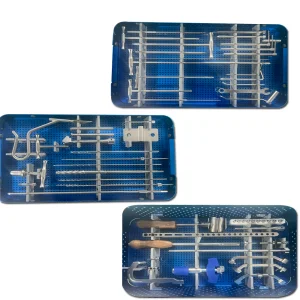
We supply specialized cannulated compression screws and expert instrumentation kits that enable surgeons to perform minimally invasive procedures. This helps reduce patient recovery time and lowers infection risks.
Explore additional high-performance products from our catalog, designed to meet strict biomechanical and surgical requirements.
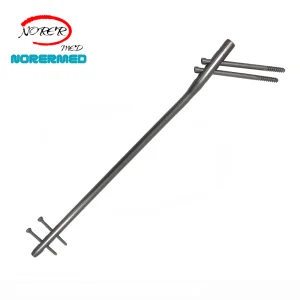
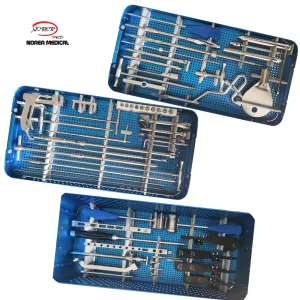
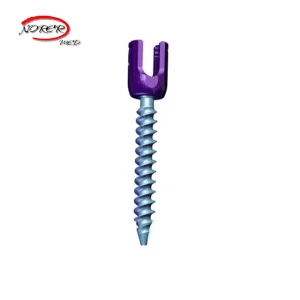
Exporting class III and Class IIb orthopedic devices requires total alignment with global standards. At Maka Medical, we assist our partners in navigating the complex pathways of local regulatory approvals including CE, FDA, and national registration frameworks.
Every single raw material delivery is accompanied by mill test certificates. Before processing, spectral analysis confirms mechanical properties. Machined products undergo post-processing ultrasonic cleaning and are packaged under strict sterile barrier configurations.
We implement a strict Unique Device Identification (UDI) system using laser marking. This allows every bone screw and interlocking nail to be traced back to its specific production lot, tool configuration, and raw material batch.
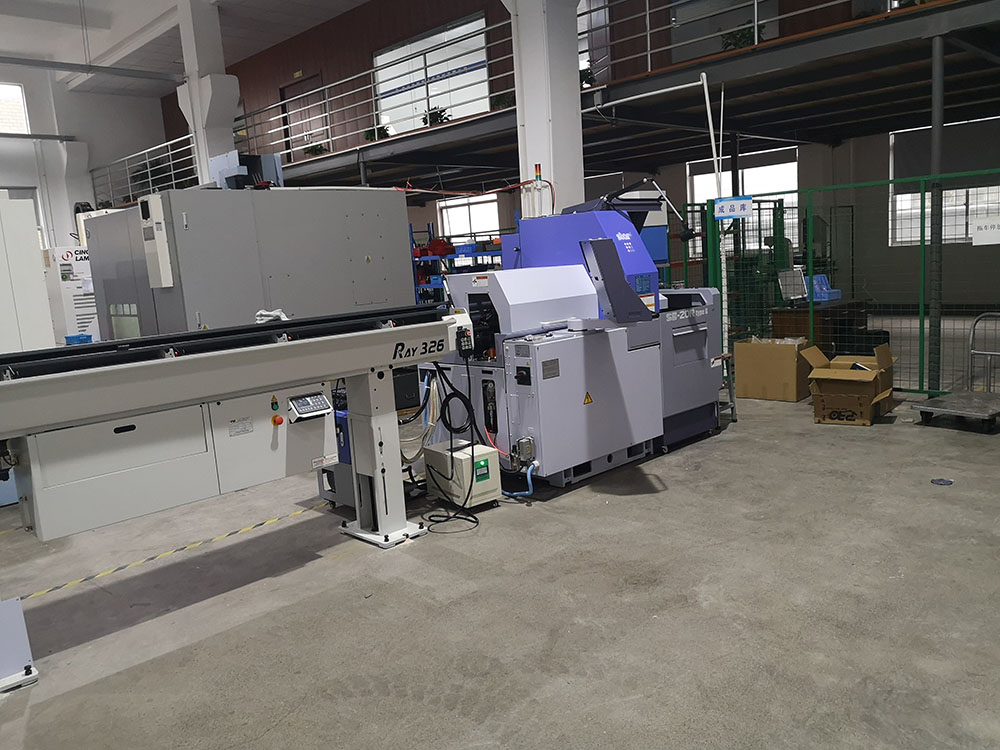
As the orthopedics field progresses, we are continually upgrading our manufacturing capabilities. Maka Medical is actively investing in research and development to integrate new technological developments, including:
Incorporating additive manufacturing to create porous trabecular titanium surfaces. These advanced structures mimic natural cancellous bone, promoting faster bone ingrowth and stronger primary fixation.
Exploring PEEK-Carbon fiber variants and surface coatings with bioactive glass or hydroxyapatite. These enhancements aim to improve osseointegration and reduce healing times.
Developing temporary implants that gradually dissolve as the bone heals, eliminating the need for a second surgery to remove plates and screws.