 Maka Medical Surgical
Maka Medical Surgical
Maka Medical Surgical
Explore the first range of our clinically validated orthopedic trauma implants, manufactured under stringent ISO 13485 protocols for global healthcare ecosystems.
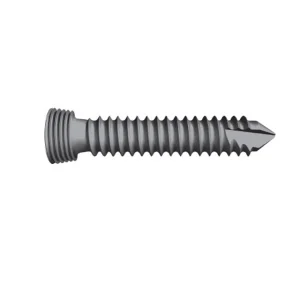
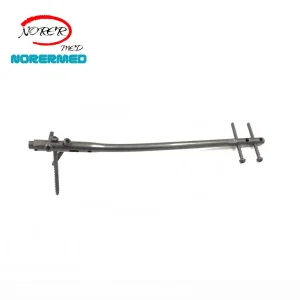
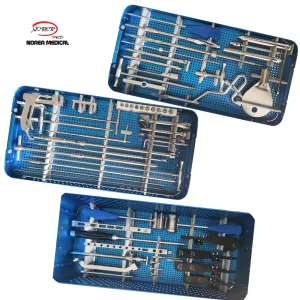
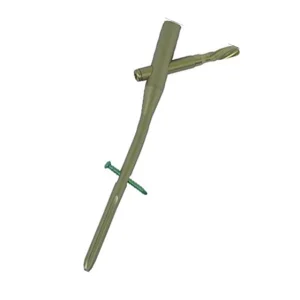
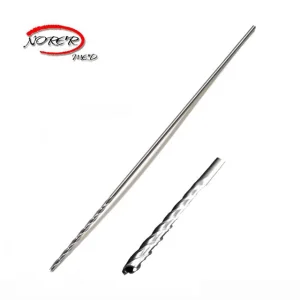
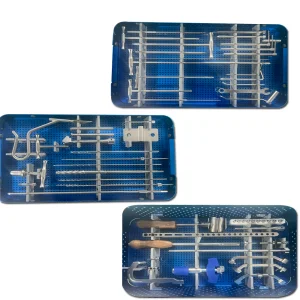
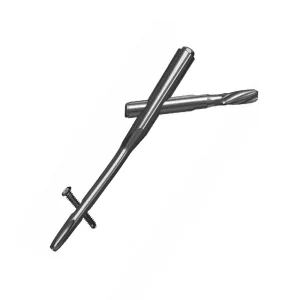
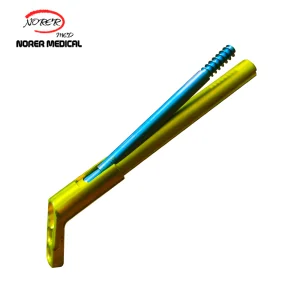
Strategically located in the prominent medical instrument industrial cluster of Changzhou City, Jiangsu Province, China, Maka Medical Technology Co., Ltd. is a dedicated, high-precision manufacturer specializing in orthopedic osteosynthesis systems.
The enterprise specializes in the engineering and delivery of premium Class II and Class III orthopedic trauma devices. Our production includes Orthopedic Trauma bone plates, bone screws, intramedullary interlocking nails, spine pedicle screws, cervical plates, and bio-compatible PEEK cervical & lumbar cages along with high-precision surgical instruments.
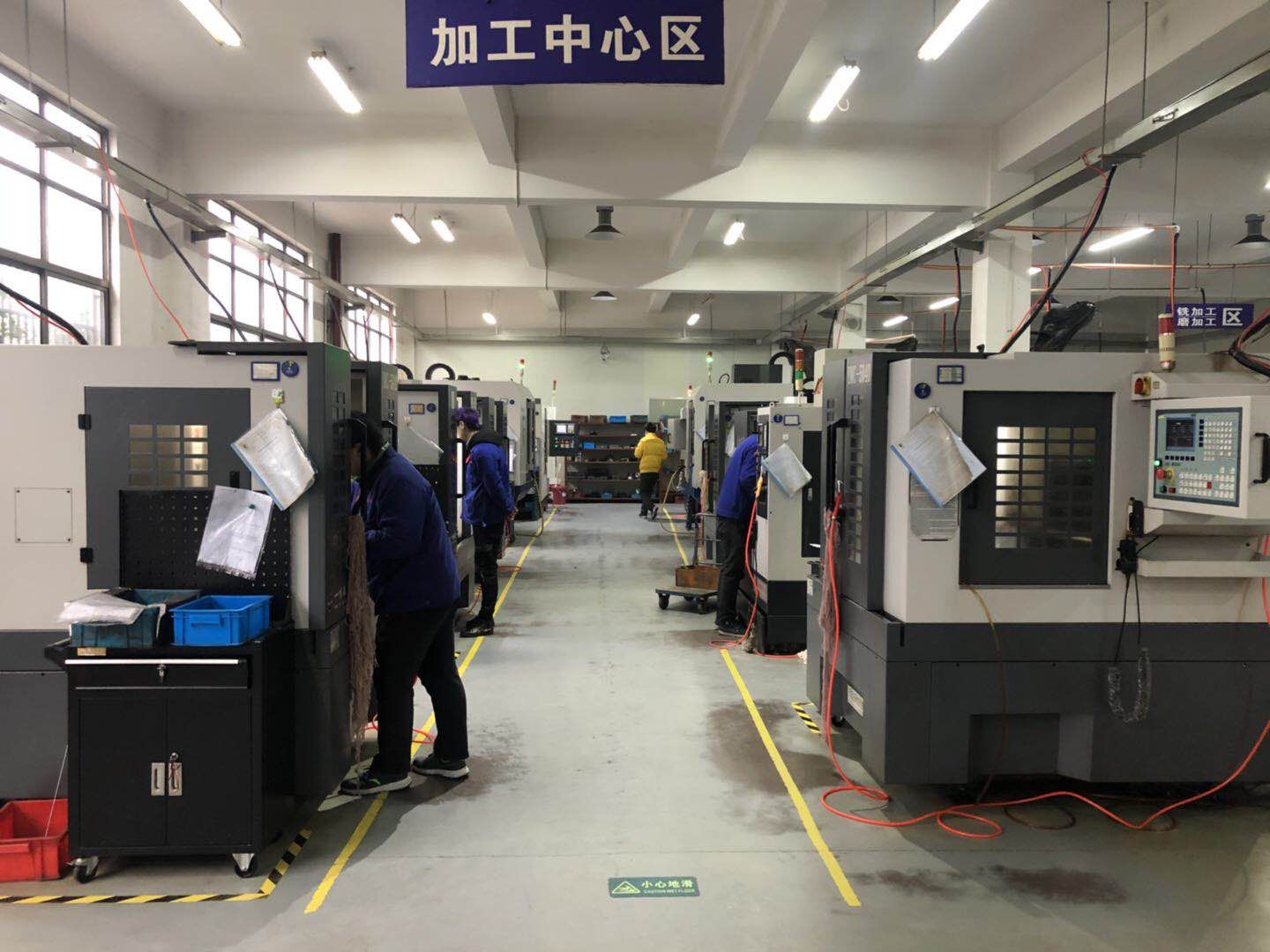
The transformation of Chinese surgical supply factories from low-cost operations to automated, high-precision smart hubs.
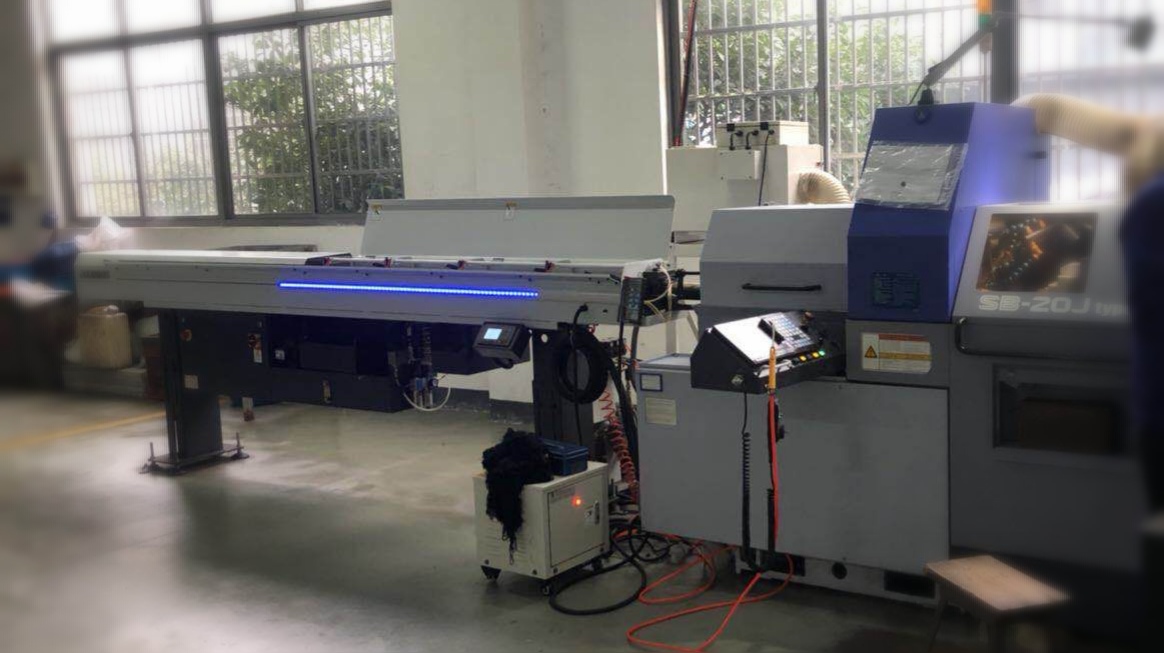
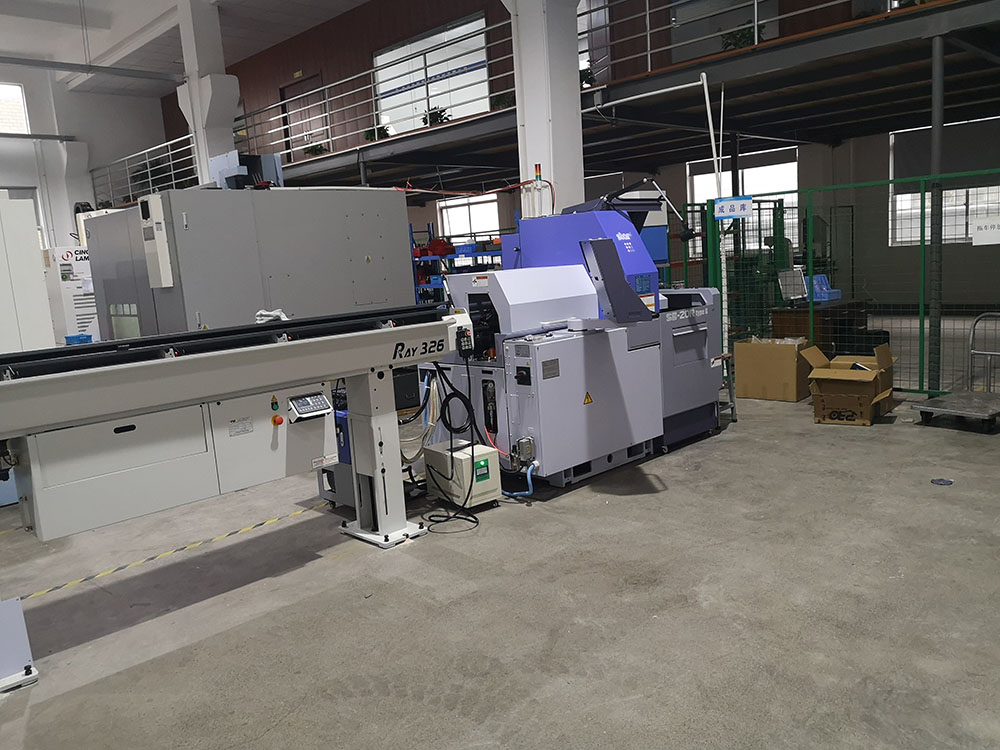
Utilizing multi-axis Citizen and Star Swiss lathes to turn complex titanium geometries. Allows tolerances of ±0.005mm for locking screws and reconstruction plates.
Our ultrasonic cleaning lines are located inside controlled environmental cleanrooms to ensure bio-burden levels are kept low prior to medical packaging.
Anodizing titanium implants forms stable oxide barriers. Color-coding different system diameters reduces surgical error in high-stress operating room environments.
The integration of smart logistics and raw material procurement networks in the Yangtze River Delta guarantees that Maka Medical maintains stable pricing, brief lead times, and predictable delivery performance for global clients.
Providing orthopedic solutions designed to address systemic challenges faced by global surgical suppliers, distributors, and hospitals.
| Orthopedic Application Segment | Critical Sourcing Pain Point | Maka Medical Targeted Solution | Impact on Clinical Outcomes |
|---|---|---|---|
| Trauma Osteosynthesis | Unpredictable anatomical fit leading to surgical adjustments. | Pre-contoured low-profile locking plates. | Shortened surgery times, reduced soft-tissue irritation. |
| Intramedullary Fixation | Infection risks, nail migration, and complex surgical insertion. | Multi-planar expert interlocking nails with cannulation. | Higher axial stability, dynamic locking options. |
| Spine Pedicle Systems | Screw looseness and pull-out under high physiological loads. | Dual-thread uniplanar & polyaxial pedicle screws. | Superior purchase in osteoporotic bone, stable correction. |
| Intervertebral Fusion | Subsidence and poor bone integration in cage implants. | Biocompatible PEEK with optimized titanium alloy coatings. | Favorable modulus matching natural bone, rapid fusion. |
Anticipating trends in clinical orthopedics to maintain market competitiveness over the next decade.
Transitioning from traditional machining to Electron Beam Melting (EBM) and Direct Metal Laser Sintering (DMLS). These techniques generate rough, porous titanium structures that encourage faster osseointegration.
Developing magnesium-based alloy implants. Designed to degrade gradually after bone healing, these implants eliminate the need for a secondary retrieval surgery.
Integrating micro-sensors into intramedullary nails and spinal cages. These sensors track bone union dynamics, strain variations, and temperature anomalies to catch early-stage post-operative infections.
Successfully launching a medical device relies heavily on obtaining regulatory approvals. Sourcing from Maka Medical gives you access to comprehensive validation documentation, ensuring a smoother compliance pathway.
Every batch of titanium, steel, or PEEK includes mill test certificates (MTC) alongside complete material biocompatibility dossiers.
We provide packaging validation and bioburden monitoring profiles, ensuring compliance with ISO 11137 and ISO 11607 standards.
We provide design and localization support for custom labels, instruction manuals (IFUs) in multiple languages, and packaging to meet specific domestic standards.
Partnering with a specialized supplier like Maka Medical minimizes the risks associated with larger, impersonal trading entities.
By combining dedicated manufacturing expertise in Changzhou with direct engineering support, we provide clear lead times, custom instrument configuration, and direct support for your regulatory submissions.
Explore the second range of our clinically validated orthopedic implants, engineered for spinal stability, joint reconstruction, and trauma applications.
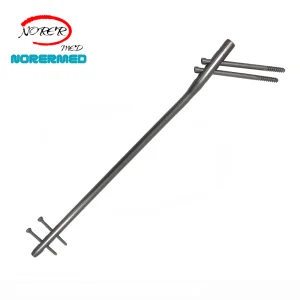
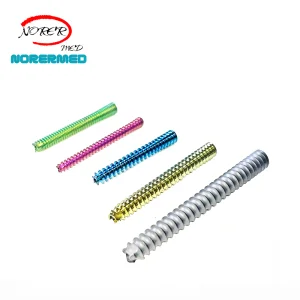
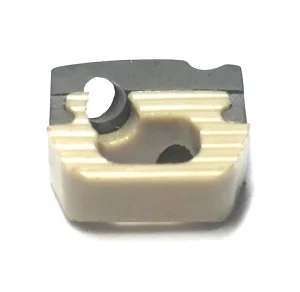
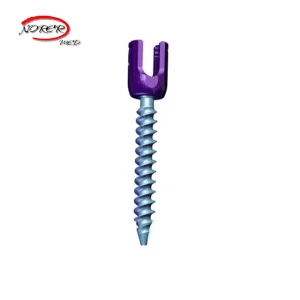
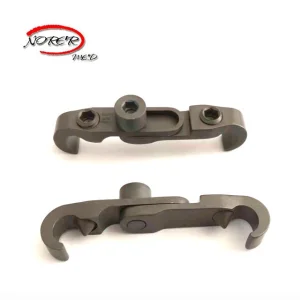
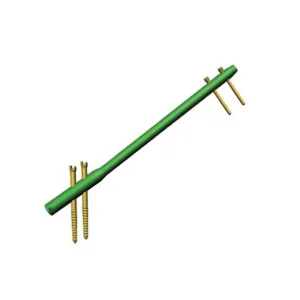
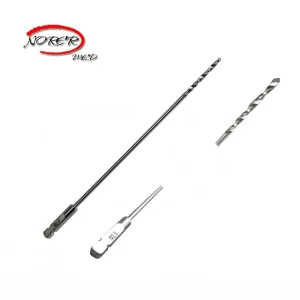
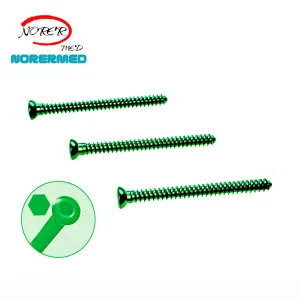
A guide for sourcing managers evaluating global medical device factories for long-term contract manufacturing.
Verify that the factory utilizes raw materials sourced only from certified suppliers. Grade 5 ELI titanium alloy (ASTM F136) is mandatory to guarantee structural integrity and prevent stress fractures in load-bearing implants.
Ensure the supplier operates cleanrooms validated to ISO 14644 standards. Final ultrasonic cleaning must reduce non-volatile residues (NVR) and bio-burden levels to avoid pyrogenic events in patients post-implantation.
Confirm the use of coordinate measuring machines (CMM), optical comparators, and digital profile measurement equipment. Precise dimensions prevent mismatched interfaces during surgical procedures.
Answers to critical questions regarding compliance, manufacturing capabilities, and import logistics for orthopedic implants.