 Maka Medical Surgical
Maka Medical Surgical
Maka Medical Surgical
Understanding the clinical requirements, quality assurances, and supplier matrices that drive excellence in orthopedic surgical interventions.
In modern clinical orthopedics, surgical outcomes are directly linked to the mechanical reliability and biocompatibility of surgical tools and implants. Procurement directors, hospital networks, and orthopedic distributors must navigate a complex ecosystem of global suppliers. Identifying the right partner requires balancing cost-efficiency with high-precision manufacturing. This whitepaper analyzes critical factors including metal alloy composition, micro-machining tolerances, international regulatory frameworks, and factory capabilities, specifically highlighting the advanced manufacturing systems in Changzhou, China.
Choosing an orthopedic supplier is not merely a commercial transaction; it is a clinical risk assessment. Implants like tibial interlocking nails, cannulated compression screws, and spinal pedicle screws reside in the human body for extended periods, and in some cases, a lifetime. The mechanical design must withstand repetitive biomechanical stress without structural failure, while the surface properties must encourage osteointegration and resist bacterial colonization. This guide evaluates how top-tier exporters achieve these objectives using advanced engineering and automated quality control.
Precision-engineered surgical drill bits, intramedullary reconstruction nails, alloy screws, and spinal cages for human and veterinary applications.
How materials science, additive manufacturing, and robotics are reshaping the surgical implant landscape.
Deploying advanced anodization techniques, hydroxyapatite (HA) plasma spraying, and diamond-like carbon (DLC) coatings onto titanium rods and screws to increase osteointegration rates and reduce micro-motion post-implantation.
Utilizing Selective Laser Melting (SLM) to produce trabecular metal structures that mimic natural cancellous bone, facilitating vascularization and long-term stabilization of acetabular cups and custom spinal cages.
Transitioning from metal assemblies to radiolucent, carbon-fiber reinforced PEEK (Polyetheretherketone) and bioabsorbable polymers (PLGA, PLLA) for spinal cages and interference screws, ensuring zero artifacting in MRI scans.
Integrating MEMS-based micro-sensors inside intramedullary nails and joint replacements to collect real-time data on load-bearing dynamics, bone healing progression, and localized infection markers.
Systematic portfolios engineered to address the specific biomechanical demands of distinct orthopedic domains.
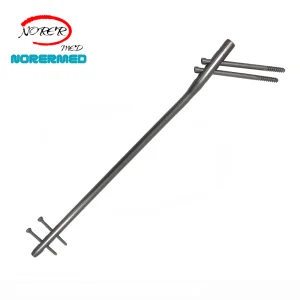
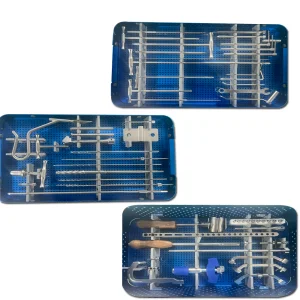
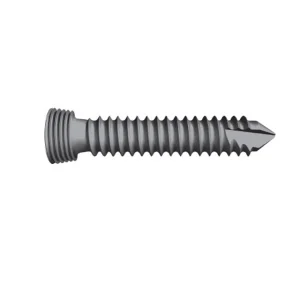
Complete instrumentation kits and internal fixators designed for long-bone osteosynthesis. Systems feature anatomical low-profile locking plates, reconstruction screws, and interlocking intramedullary expert nails that allow immediate load sharing and accelerate patient mobilization.
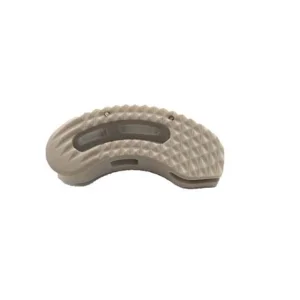
Engineered for complex pathologies such as degenerative disc disease and scoliosis. This line includes pedicle titanium screws, crosslink rods, anterior cervical plates, and TLIF/ACIF cages. Available in high-performance PEEK and titanium, optimizing anterior column support and maintaining sagittal alignment.
Specifically engineered implants tailored for small animal and equine osteosynthesis. Highly specialized products like veterinary-grade TLIF PEEK cages, ACIF cages, locking infusion systems, and micro pedicle screws meet the unique physiological challenges of veterinary trauma and reconstruction.
Inside Maka Medical Technology Co., Ltd. - Driving precision engineering from the heart of Changzhou's medical device cluster.
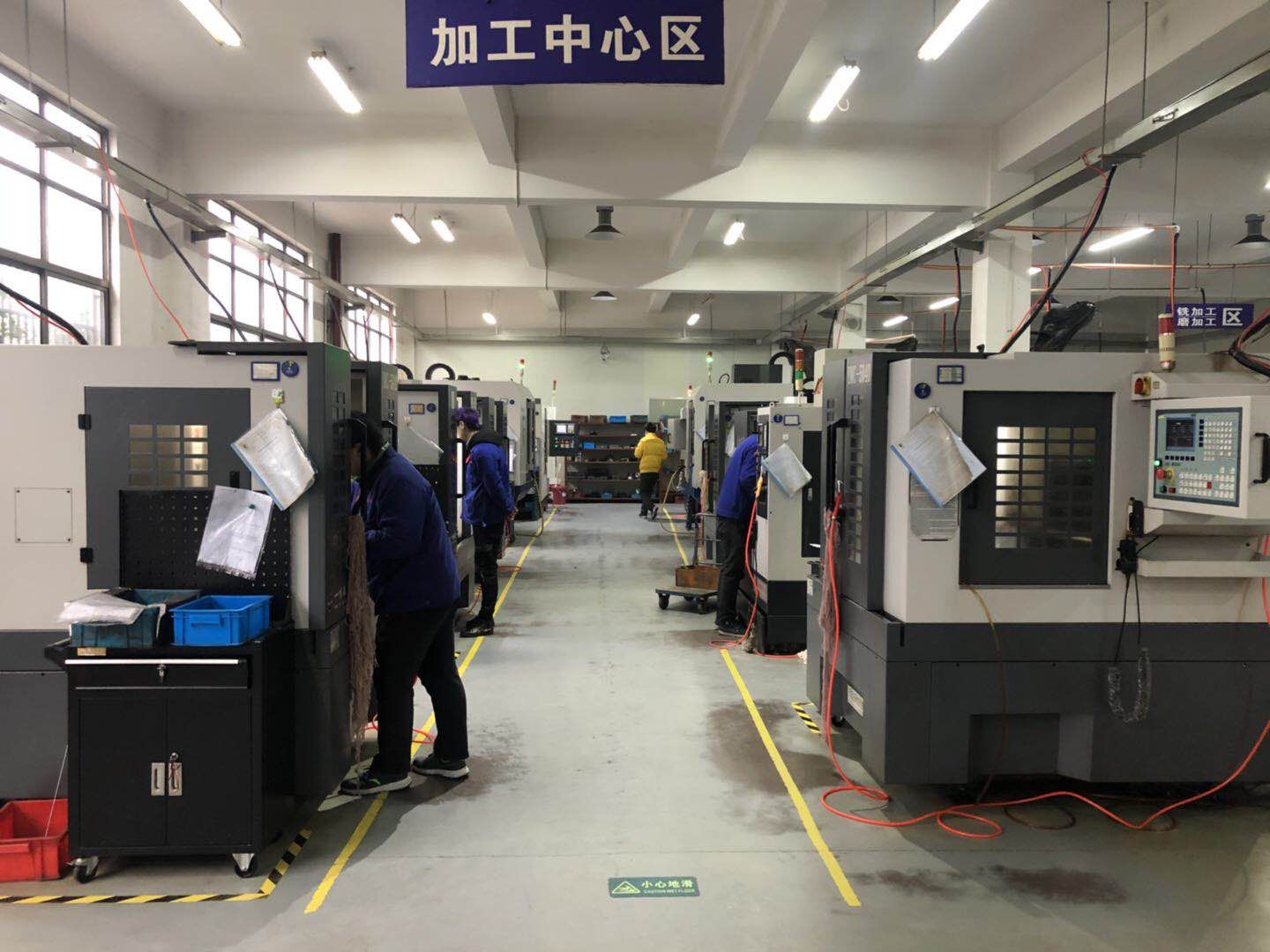
Maka Medical Technology Co., Ltd., located in Changzhou City, Jiangsu Province, is situated in China's premier hub for medical device manufacturing. This geographic clustering provides immediate access to a specialized supply chain, raw material suppliers (high-purity medical titanium and PEEK polymers), and advanced heat treatment facilities. By integrating advanced production lines with strict quality controls, Maka Medical bridges the gap between cost-efficiency and premium orthopedic quality.
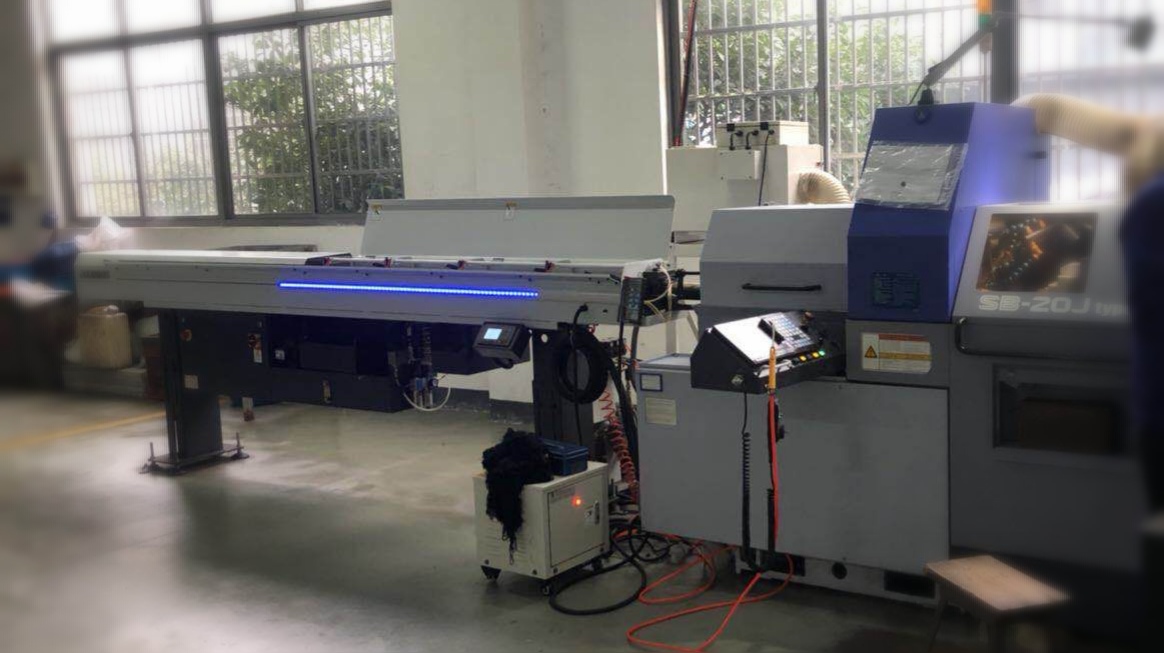
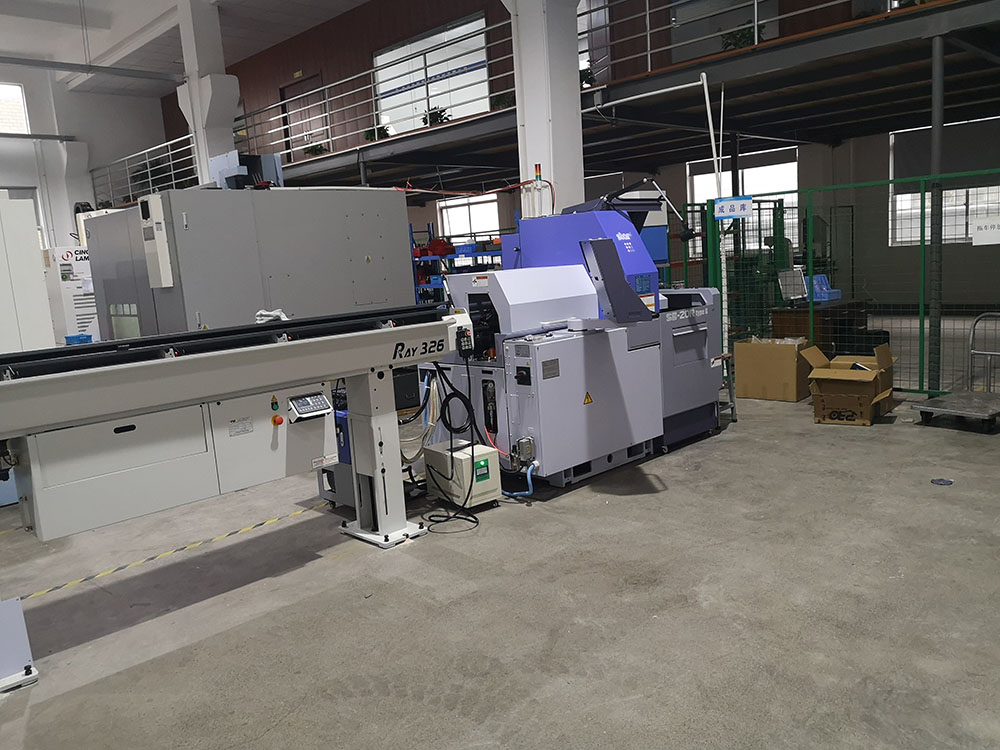
Employing between 11 and 50 highly skilled specialists, including mechanical engineers and quality assurance professionals, our facility utilizes multi-axis CNC Swiss-type milling machines to manufacture complex designs. From bone plates to cannulated compression screws, each component undergoes structural modeling and rigorous quality testing. As an established trading and manufacturing entity with a decade of market experience, we deliver robust solutions that mitigate global supply chain risks.
Our location in Changzhou enables efficient procurement of raw medical-grade titanium (ASTM F136). The local infrastructure supports third-party mechanical testing, raw material certification, and rapid international shipping via nearby deepwater ports and major airports, reducing lead times by up to 35% compared to isolated manufacturers.
Ensuring cross-border medical device approval and end-to-end traceability.
All surgical implants are manufactured using medical-grade titanium alloy (Ti-6Al-4V ELI) compliant with ASTM F136 specifications, or medical-grade PEEK polymer (Optima equivalent). Mill test certificates and material chemical composition analyses accompany every production run, ensuring absolute traceability from raw bar stock to finished product.
Our quality management system is structured around ISO 13485 protocols. From product design control and cleaning processes to cleanroom packaging and sterilization verification, Maka Medical maintains documentation that streamlines the approval process for regional regulatory bodies, including CE MDR and national health authorities.
Regulatory compliance is a critical priority for medical device importers. The transition from MDD to CE MDR in Europe has intensified requirements for clinical evaluations and post-market surveillance. Maka Medical works closely with distribution partners to supply the necessary technical documentation, biocompatibility reports (ISO 10993), and risk assessments (ISO 14971) required to establish conformity and secure import licenses in global markets.
Key criteria for evaluating supplier capabilities and mitigating procurement risks.
Verify that your supplier utilizes multi-axis CNC machines capable of holding tolerances within ±5 microns. Variations in screw thread pitch or locking mechanism dimensions can lead to intraoperative complications and instrument mismatch.
Look for electrochemical polishing, Type II anodization, or acid-etching capabilities. These treatments enhance wear resistance, remove manufacturing residues, and form a protective titanium oxide layer that prevents ion release.
Confirm the availability of sterile-packaged implants processed in Class 10,000 (ISO Class 7) cleanrooms. Sterile packaging reduces local assembly logistics and ensures the immediate sterility of high-risk items like spine cages and pedicle screws.
Assess the supplier's engineering response times for custom orders. Top suppliers should provide rapid CAD modeling, biomechanical simulation reports, and functional prototypes within 15 to 30 days of receiving clinical input.
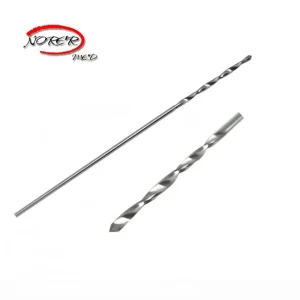
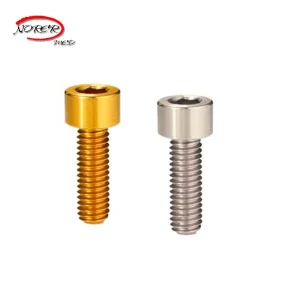
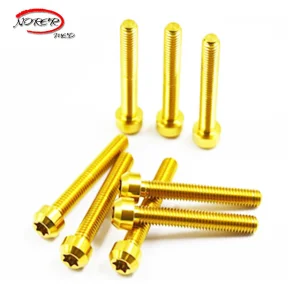
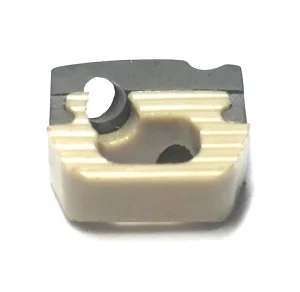
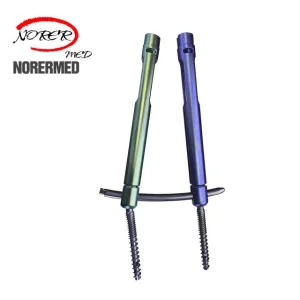
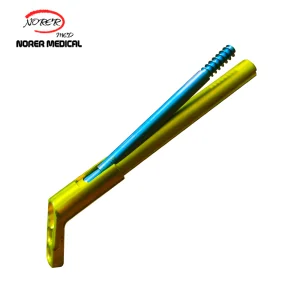
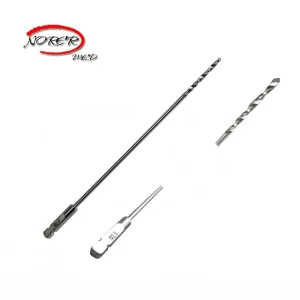
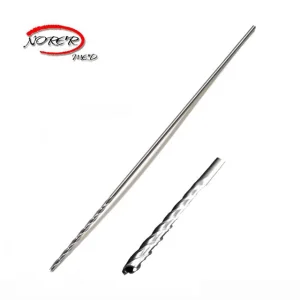
Headless compression screws, specialty titanium rods, veterinary ACIF/PEEK structures, and specialized orthopedic drill bits.
Addressing mechanical properties, regulatory affairs, and manufacturing protocols.
Titanium alloy (Ti-6Al-4V ELI, ASTM F136) offers a superior strength-to-weight ratio, lower modulus of elasticity (closer to that of human cortical bone, reducing stress shielding), and enhanced biocompatibility compared to medical-grade 316LVM stainless steel. The ELI (Extra Low Interstitial) grade features reduced levels of oxygen, nitrogen, and carbon, which improves fatigue strength and fracture toughness, making it the preferred option for long-term implants like bone plates, interlocking nails, and pedicle screws.
PEEK is a high-performance thermoplastic that offers two distinct advantages. First, its elastic modulus is highly compatible with natural cancellous and cortical bone, which helps maintain physiological stress distribution and reduces the risk of implant subsidence. Second, it is radiolucent, allowing surgeons to monitor bone fusion post-surgery using X-ray and CT imaging without the diagnostic interference caused by metal implants.
Maka Medical maintains complete trace documentation. Each shipment of raw material is accompanied by a mill test certificate showing mechanical properties and chemical compositions. We assign unique batch numbers to each production lot, tracking the material from CNC machining, washing, and surface treatment to final packaging. This ensures complete traceability and supports quality compliance audits.
Using advanced multi-axis CNC Swiss machining, we regularly achieve tolerances within ±0.005mm (±5 microns) for critical dimensions, such as screw thread pitch, drive recess depth, and shaft diameters. This high precision is essential for ensuring smooth intraoperative insertion and secure interface locking between screws and matching anatomical locking plates.
Yes. We manufacture and supply products for both human orthopedics and veterinary applications. While the material standards (ASTM F136 Titanium, medical PEEK) remain consistent, veterinary implants are designed to accommodate the unique anatomical requirements and biomechanical load patterns of canine, feline, and equine patients.