Maka Medical Surgical
Maka Medical Surgical
Maka Medical Surgical
Advanced Surgical Fixation and Distraction Systems Sourced Directly from Top-Tier Chinese Precision Plants
Principles, Clinical Demands, and Mechanical Dynamics of Bone Lengthening
Distraction osteogenesis is a revolutionary biological process that leverages the body's natural regenerative abilities to generate new bone tissue. Initiated by applying mechanical tension across a osteotomy site, this technique stimulates the surrounding soft tissues, vascular networks, and osseous elements to undergo active osteogenesis. Initially popularized by Dr. Gavriil Ilizarov using external circular fixators, the clinical field has evolved significantly towards internally controlled systems and hybrid assemblies.
Modern clinical applications require extreme mechanical precision. Implants must withstand physiological weight-bearing forces while providing controlled, micro-increment adjustments (typically 1.0mm per day split into four increments) to minimize neurological and soft-tissue injury while maximizing bone consolidation rates.
Evaluating Material Synergy: Titanium Alloys vs. High-Performance PEEK in Fixation and Fusion
The materials utilized in orthopedic implants dictate their performance under mechanical stress. Today’s orthopedic distraction systems, spinal fusion cages, and intramedullary nails rely primarily on two material families: Titanium Grade 5 (Ti-6Al-4V) and Polyetheretherketone (PEEK). Maka Medical Technology stands at the intersection of this technology, processing both materials to meet stringent international standards.
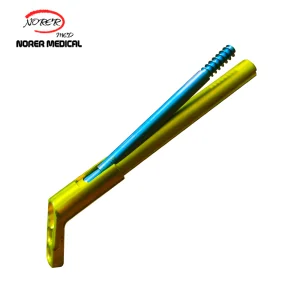
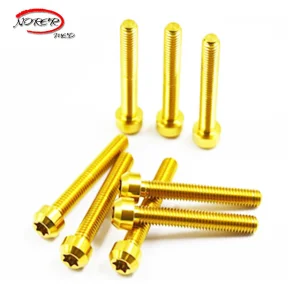
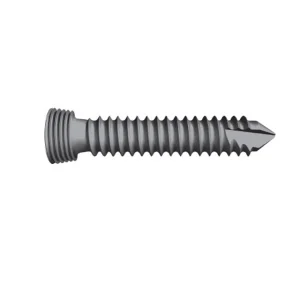
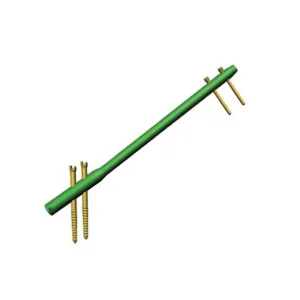
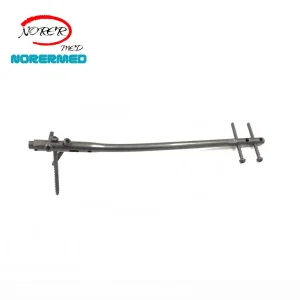
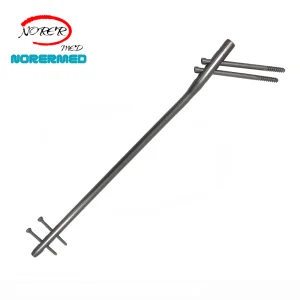
Mainly used for structural components such as intramedullary expert tibial interlocking systems, cortical bone screws, and distraction rods. Titanium provides unparalleled strength-to-weight ratios, high fatigue limits, and superb osseointegration properties through its protective titanium oxide layer.
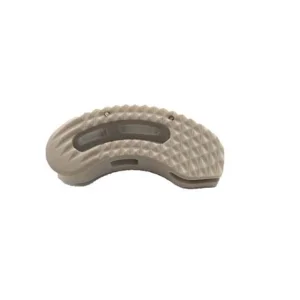
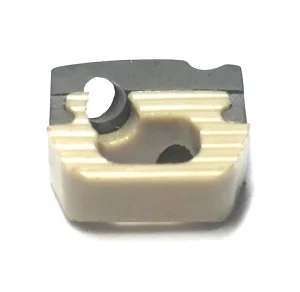
Polyetheretherketone (PEEK) features a Young's modulus (3-4 GPa) that closely matches human cortical bone. This reduces the risk of stress shielding—a common issue with metal implants that leads to localized bone resorption. Our PEEK lumbar TLIF and ACIF cervical cages provide optimal radiolucency for postoperative fusion monitoring.
Advanced manufacturers apply plasma-sprayed Hydroxyapatite (HA) or porous titanium coatings onto PEEK surfaces. This hybrid approach combines the mechanical benefits of PEEK's elasticity with the fast bone-ingrowth characteristics of Titanium.
Tailored Biomechanical Devices for Human Reconstruction and Veterinary Orthopedics
In human orthopedics, distraction devices and intramedullary interlocking nails are essential for managing segmental bone loss from high-energy trauma, congenital limb-length discrepancies, and complex non-unions. Dynamic compression plates and interlocking nail systems allow orthopedic surgeons to adjust axial compression, optimizing the micro-motion required for primary bone healing.
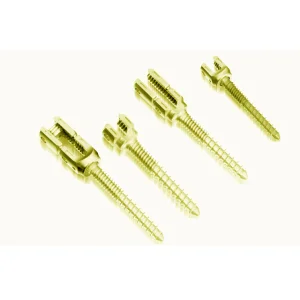
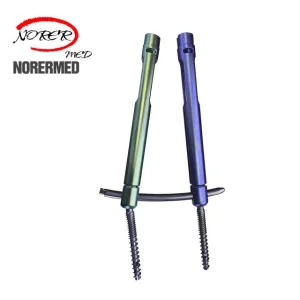
Similarly, spinal pedicle screw systems and crosslink rods provide rigid posterior stabilization during multi-level spinal fusion. This mechanical support allows the interbody PEEK cages to guide successful arthrodesis.
The veterinary orthopedic sector has grown rapidly, driven by the demand for advanced treatments for companion animals. The biological diversity of canine and feline anatomy requires highly specialized implant profiles.
Specialized veterinary implants, such as monoaxial pedicle screws and ACIF/TLIF PEEK locking cages, are tailored to the unique mechanical demands of quadruped spinal columns. These devices provide the stability needed to treat canine degenerative lumbosacral stenosis and spinal instability.
An Expert Assessment of Market Leaders, Core Competencies, and Strategic Focus Areas
| Manufacturer Name | Headquarters Location | Core Product Focus | Key Strengths & Technology Innovation |
|---|---|---|---|
| 1. Stryker Corporation | Kalamazoo, MI, USA | Limb Reconstruction & Spine Fixation | Hoffmann External Fixation Systems, high-durability locking intramedullary nails, and T2 nail series. |
| 2. DePuy Synthes (J&J) | West Chester, PA, USA | Trauma, Spine, and Craniomaxillofacial | Comprehensive distraction systems, MAXFRAME multi-axial correction software, and titanium bone plates. |
| 3. Zimmer Biomet | Warsaw, IN, USA | Joint Reconstruction & Trauma Implants | Advanced orthobiology, Persona personalized knee implants, and titanium compression nails. |
| 4. Smith & Nephew | London, United Kingdom | External Fixation & Sports Medicine | Taylor Spatial Frame (TSF) hexapod external fixator utilizing computer-assisted design. |
| 5. Orthofix Medical Inc. | Lewisville, TX, USA | Spinal & Orthopedics Ext. Fixation | TrueLok external ring fixators, TL-HEX system, and advanced bone growth stimulator devices. |
| 6. Acumed LLC | Hillsboro, OR, USA | Precision Trauma & Extremity Fixation | Precision locking plates, anatomical crosslink rods, and extremity distraction systems. |
| 7. Globus Medical | Audubon, PA, USA | Spinal Fusion & Robotic Distraction | Expandable lumbar interbody fusion cages, robotically-assisted spine distraction instrumentation. |
| 8. NuVasive (Globus Medical) | San Diego, CA, USA | Minimally Invasive Spine & Lengthening | PRECICE intramedullary limb-lengthening system incorporating internal remote-controlled magnets. |
| 9. Medtronic plc | Dublin, Ireland | Spinal Implants & Neurological Devices | CD Horizon spinal fixation system, advanced PEEK and titanium spinal cage portfolios. |
| 10. Maka Medical Technology | Jiangsu, China | Spine, Trauma Implants & PEEK Cages | State-of-the-art China-based OEM/ODM manufacturing facility. High-precision Titanium machining and medical-grade PEEK processing under ISO 13485. Excellent cost-to-performance ratio for global distribution networks. |
How Maka Medical in Changzhou Meets High-Tolerance Specifications
Maka Medical Technology Co., Ltd. operates in Changzhou, Jiangsu, China’s premier orthopedic manufacturing hub. This location gives Maka Medical access to a concentrated cluster of raw material suppliers, thermal treatment facilities, and advanced surface finishing labs, creating a highly integrated and responsive supply chain.
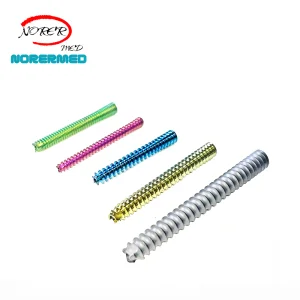
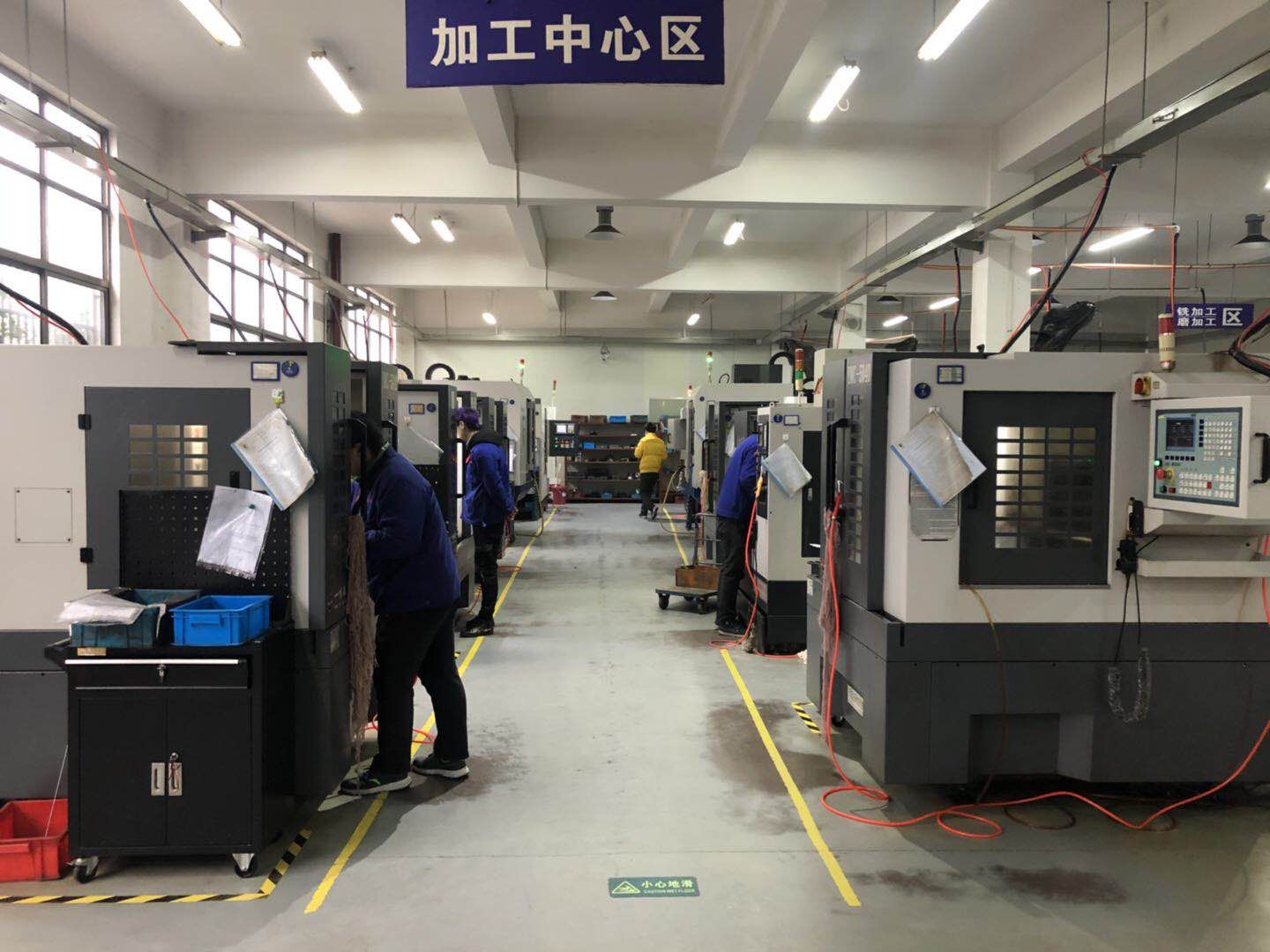
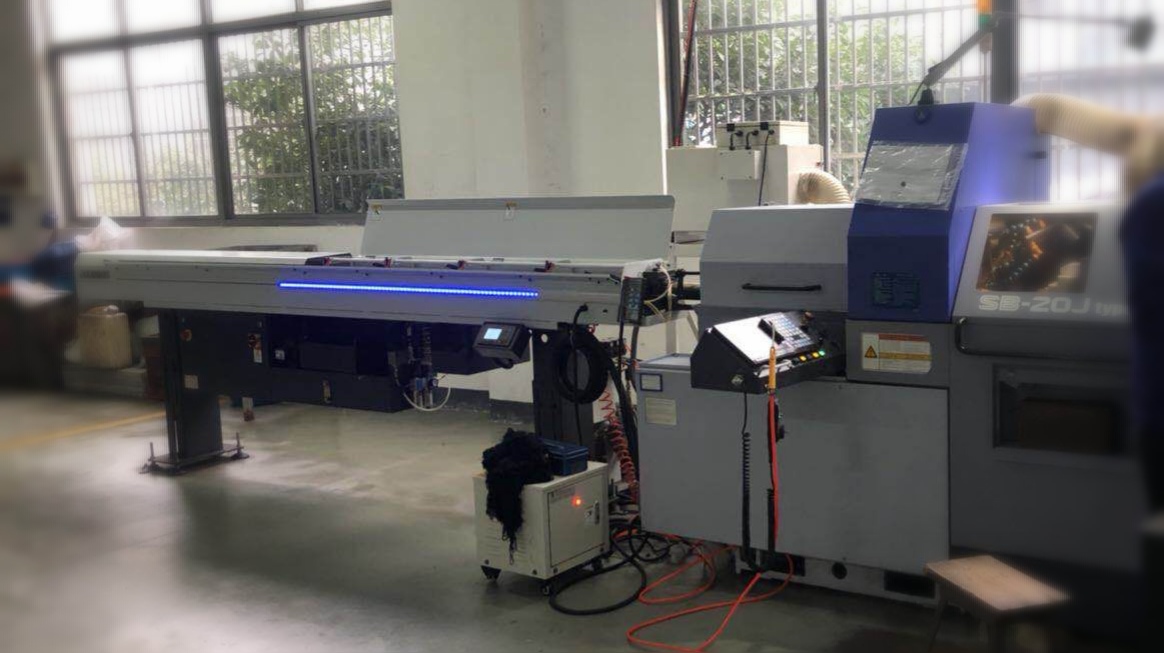
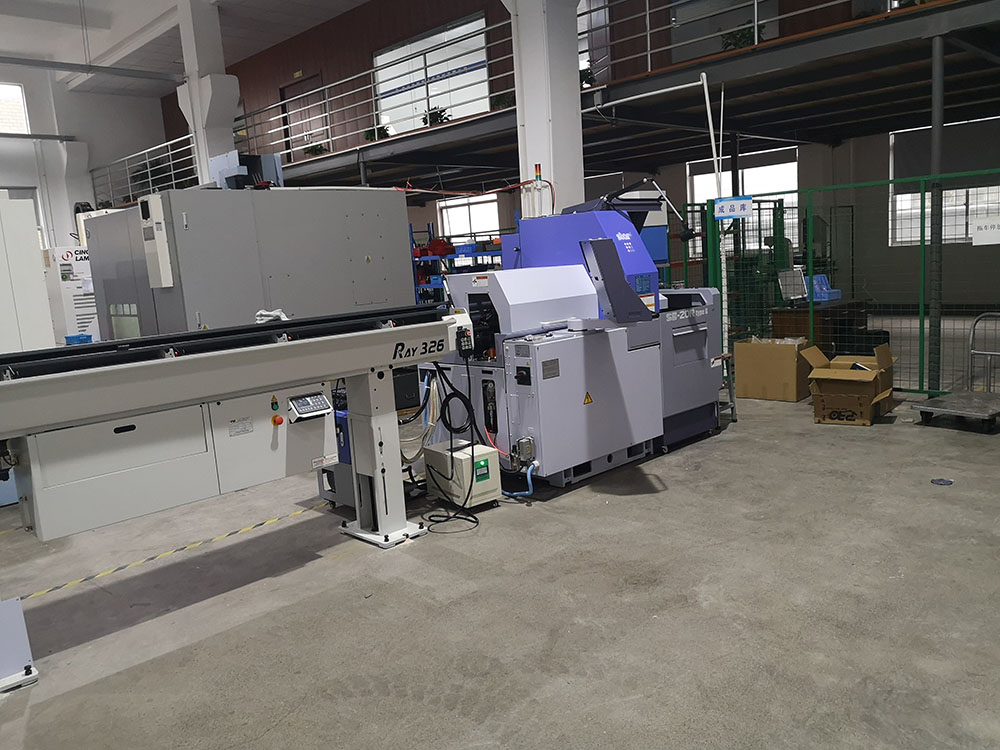
Our facility features modern CNC Swiss-type lathes, high-speed 5-axis machining centers, and custom EDM (Electrical Discharge Machining) systems. These technologies allow us to achieve tolerances as tight as ±0.005mm on complex components, including intramedullary expert nails and cannulated compression screws.
All implants are produced in Class 100,000 cleanrooms and undergo ultrasonic cleaning, passivating, and anodizing. These processes ensure biocompatibility and verify that the products are free of surface contaminants prior to sterilization packaging.
Our quality management system tracks every component from the raw material melt-batch to the finished product. This ensures traceability and consistent quality across all production runs.
Essential Guidelines for B2B Medical Distributors and Healthcare Institutions
Procuring orthopedic implants globally requires careful navigation of international regulatory frameworks, quality audits, and logistics processes. For B2B buyers, sourcing from China-based manufacturers like Maka Medical requires verifying certifications to ensure seamless market entry and patient safety.
Ensure the manufacturer maintains a valid ISO 13485 certification for medical device quality management. Maka Medical holds this standard, verifying that our production processes, raw material selection, and inspection protocols meet strict regulatory requirements.
Request mill test certificates (MTCs) for every batch of raw material (Ti-6Al-4V ELI or PEEK-OPTIMA). Traceability ensures that the chemical composition and mechanical properties of the material are appropriate for long-term implantation.
Verify that your manufacturing partner can accommodate custom labeling and packaging needs, and has the logistical capabilities to handle DDU/DDP shipping. Maka Medical provides tailored packaging solutions, support for regulatory documentation, and reliable shipping for global distribution.
Maka Medical Technology Co., Ltd.
11 - 50 People
Jiangsu, China (Changzhou City Hub)
Manufacturer, Trading Company
10 Years Active Service
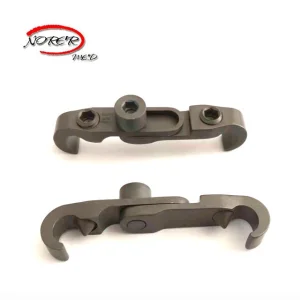
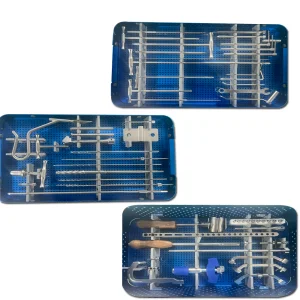
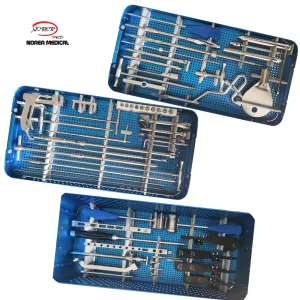
Located in Changzhou city, China, we are a specialized manufacturer of orthopedic trauma bone plates, bone screws, interlocking intramedullary nails, spinal pedicle screws, cervical plates, PEEK cervical & lumbar interbody fusion cages, and related surgical instruments.
Addressing Crucial Product and Sourcing Questions for B2B Buyers
PEEK has an elastic modulus that closely matches natural cortical bone. This reduces the risk of stress shielding, which can lead to bone resorption around the implant. PEEK is also radiolucent, allowing surgeons to clearly monitor bone fusion on X-rays or CT scans without metallic artifact interference.
We manufacture our products using medical-grade Titanium Alloy (Grade 5, Ti-6Al-4V ELI) sourced from certified suppliers. We perform regular internal audits, maintain a robust ISO 13485 quality management system, and verify all dimensions and tolerances using optical comparators and CMM machinery.
Yes, we provide full OEM and ODM services. Our engineering team can work from your 2D/3D CAD models, material specifications, and mechanical performance requirements to manufacture prototypes and production runs.
Standard lead times range from 30 to 45 days, depending on order volume and configuration. We maintain inventory buffers of common raw materials to accelerate production schedules for repeat orders.
Browse our complete catalog of precision-engineered orthopedic implants and surgical instruments