Maka Medical Surgical
Maka Medical Surgical
Maka Medical Surgical
High-tolerance implantable components and specialized surgical delivery instruments designed to exceed ASTM and ISO biocompatibility standards.
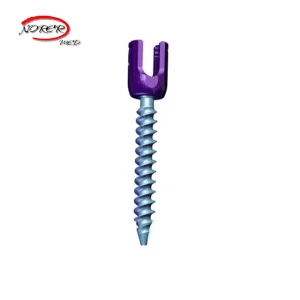
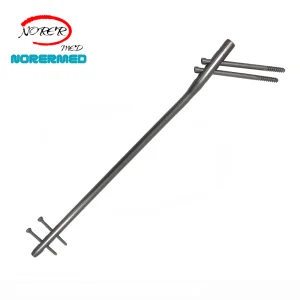
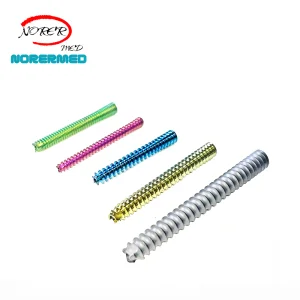
The global market for spinal surgery device manufacturing is undergoing a paradigm shift driven by aging demographics, expanding indications for minimally invasive surgery (MIS), and a demand for cost-effective medical supply chains. Spinal instrumentation—encompassing pedicle screws, rods, crosslinks, interbody cages, and anterior plates—represents one of the most technologically demanding sub-sectors of orthopedic manufacturing. Achieving long-term mechanical stability while ensuring biocompatibility requires precision materials engineering and strict adherence to international regulatory frameworks.
"Global clinical demand is rapidly pivoting from standardized monolithic implants toward specialized, patient-specific geometry and modular systems designed to reduce operative time and mitigate revision rates."
Modern spinal surgical practices depend on devices that balance structural stiffness with biological integration. Key developments include:
To ensure high performance under cyclic loading, OEM manufacturers must maintain tight control over material chemistry and mechanical performance. Below is a comparison of standard alloys used in spinal and orthopedic instrumentation:
| Material Standard | Composition / Grade | Tensile Strength (MPa) | Yield Strength (MPa) | Primary Clinical Application |
|---|---|---|---|---|
| ASTM F136 / ISO 5832-3 | Ti-6Al-4V ELI (Grade 23) | ≥ 860 | ≥ 795 | Pedicle screws, spinal rods, anatomical locking plates, crosslinks |
| ASTM F2026 | PEEK (Polyetheretherketone) | 90 - 100 | N/A | Lumbar & cervical interbody cages, radiolucent space maintainers |
| ASTM F138 / ISO 5832-1 | 316LVM Stainless Steel | ≥ 860 | ≥ 690 | Temporary fixation devices, intramedullary nails, guide wires, drills |
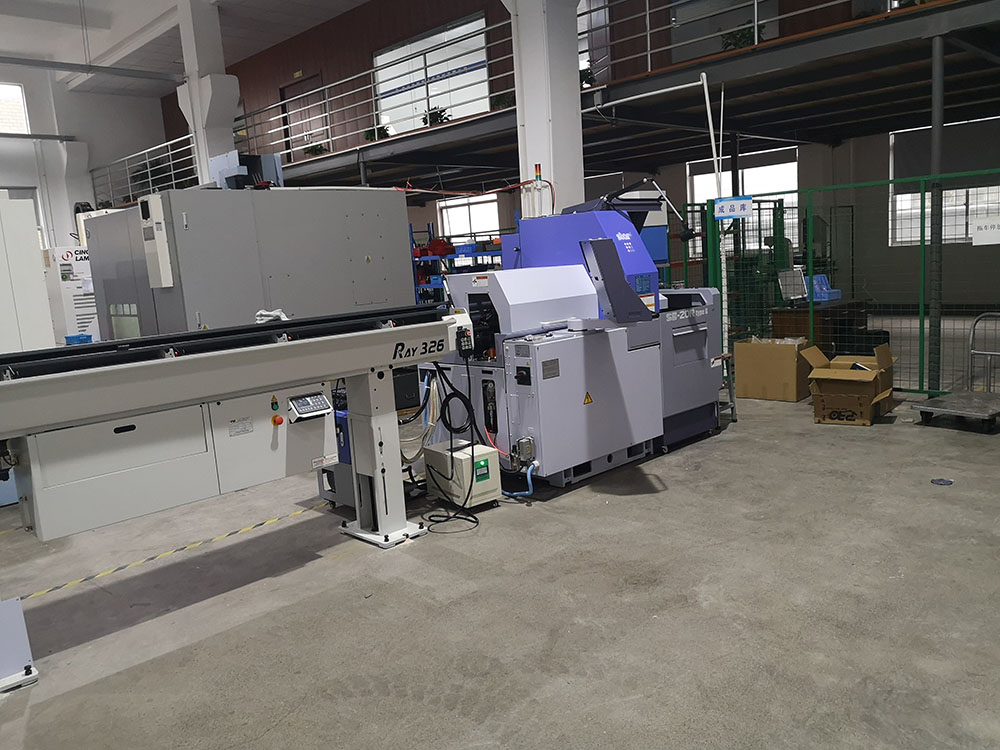
Maka Medical Technology Co., Ltd. (located in Changzhou City, Jiangsu Province, China) is an established developer and manufacturer of orthopedic implants and specialized instrumentation. Operating in the orthopedic manufacturing corridor of China, we provide OEM and ODM manufacturing services to medical device distributors and brand owners globally.
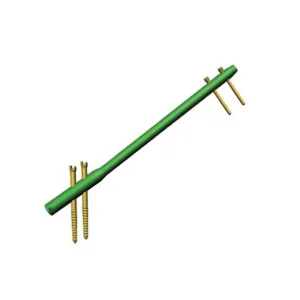
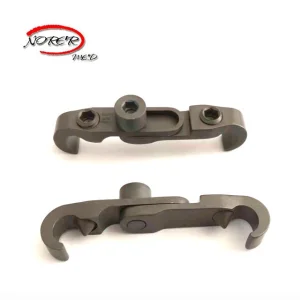
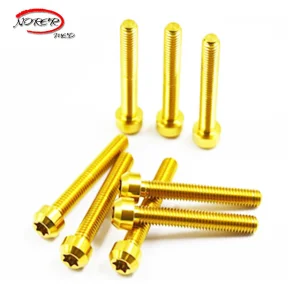
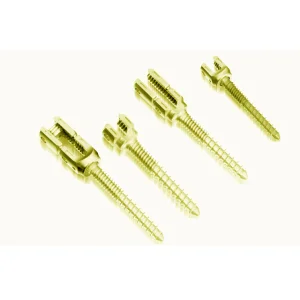
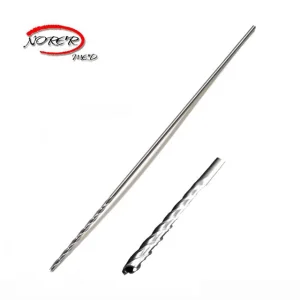
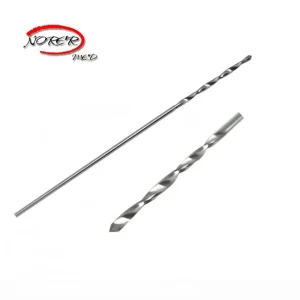
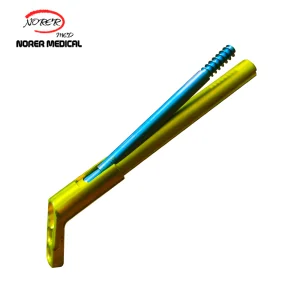
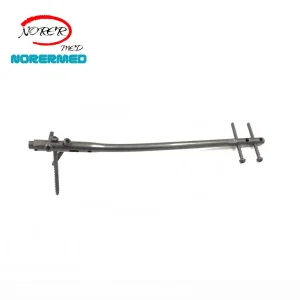
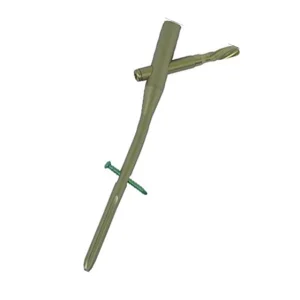
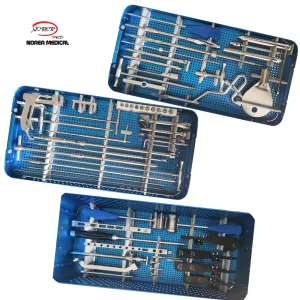
Our comprehensive production program includes Orthopedic Trauma Bone Plates, Bone Screws, Orthopedic Interlocking Nails, Orthopedic Spine Pedicle Screws, Cervical Plates, PEEK Cervical & Lumbar Cages, and matching surgical instrument sets.
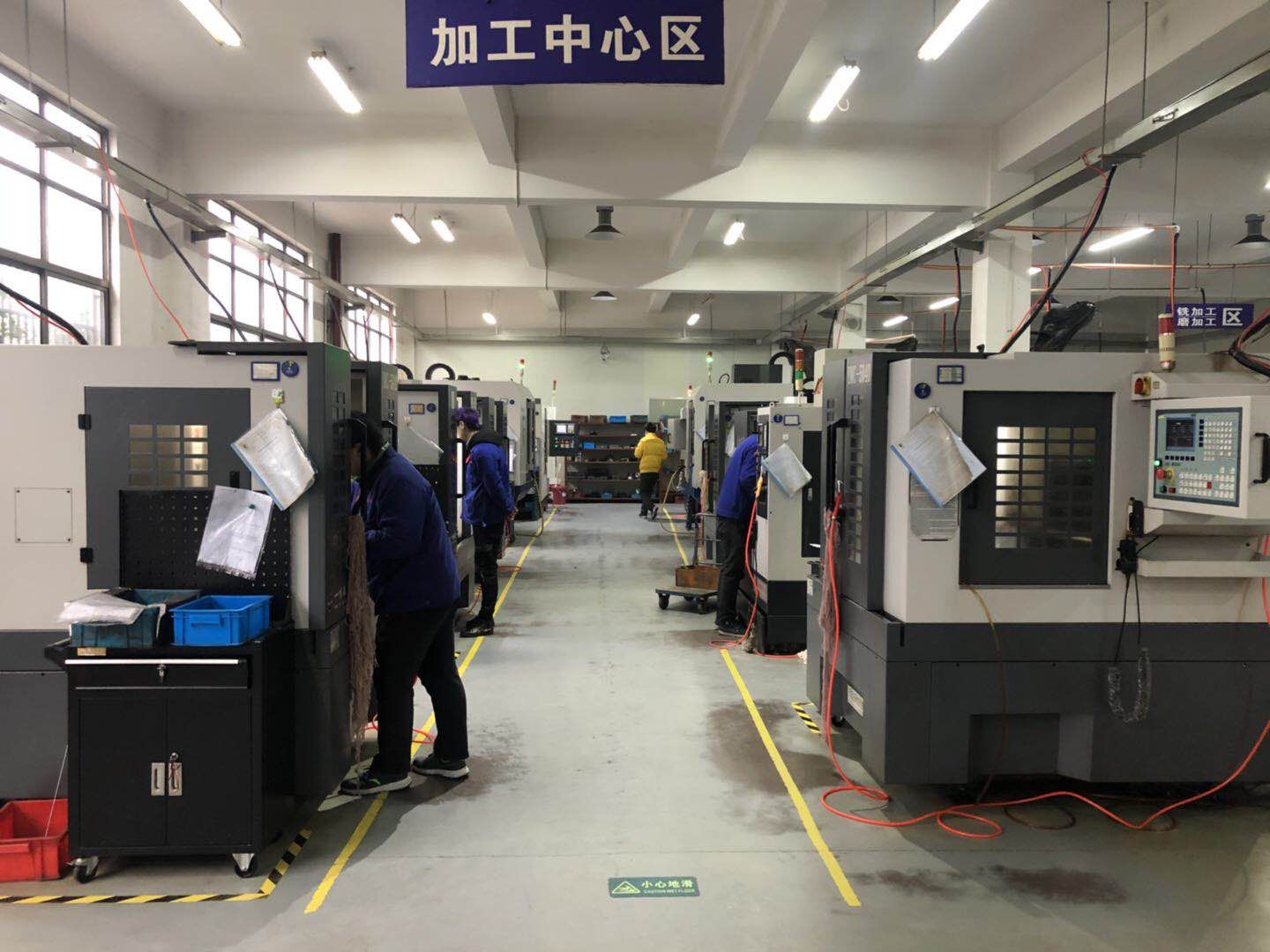
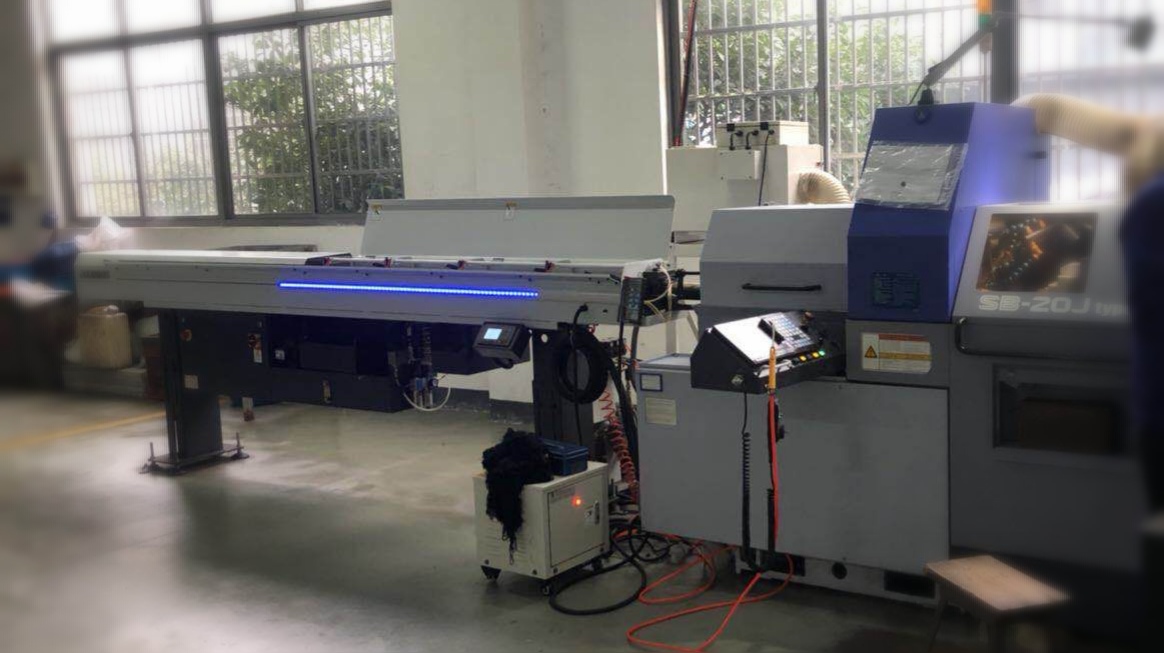
Medical device sourcing managers face complex challenges: rising costs, strict regulatory audits, and the need for shorter lead times. The Changzhou medical manufacturing cluster addresses these demands by offering integrated material sourcing, precision machining, and surface treatment capabilities in one location.
At Maka Medical, we utilize modern manufacturing practices to achieve traceably high quality at scale:
Our commitment to regulatory transparency, mechanical validation, and cleanroom packaging supports global supply chain integrity.
Our quality system is structured specifically for medical device manufacturing, ensuring trace documentation from raw bar stock to finished, packaged implants.
We work from customer drawings or physical samples to optimize product design for manufacturing (DFM), modifying thread profiles, pitch, and drive interfaces to specifications.
We supply specialized implants for veterinary orthopedics, offering scaled-down pedicle screws and fixation systems optimized for small-animal spinal stabilization.
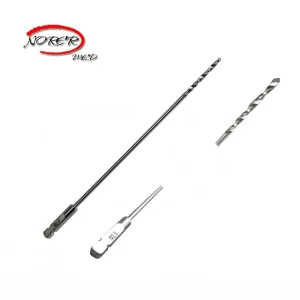
Advanced interlocking systems, instrument kits, and specialized drilling tools designed for clinical performance.
Procuring spinal instrumentation demands high transparency from manufacturing partners. Because these implants remain in the human body for years, or even decades, sourcing departments must audit quality controls continuously. Key procurement priorities include:
Additionally, the demand for veterinary spinal implants is expanding. As veterinary medicine evolves to include advanced stabilization procedures for canine and feline patients, manufacturers are adapting human-grade materials for veterinary-specific orthopedic designs.