Maka Medical Surgical
Maka Medical Surgical
Maka Medical Surgical
Engineered to Excel under Strict FDA & CE Medical Frameworks
The global biomedical landscape is undergoing a paradigm shift. The integration of bio-electronic systems with conventional structural therapeutics is redefining patient care. As a leading Custom OEM Electrode Implant Factory and Supplier, our capabilities cross the intersection of neural signal transmission and mechanical skeletal reconstruction. Electrode implants—ranging from deep brain stimulators (DBS) and cochlear interfaces to vagus nerve interfaces—demand the absolute peak of materials science, sub-micron engineering, and sterile validation protocols.
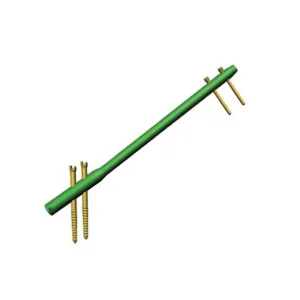
Simultaneously, mechanical orthopedic implants such as interlocking nails, cortical screws, and pedicle spinal fixation systems provide the structural framework necessary to support physiological loading. The shared denominator between these highly specialized domains is the absolute need for biocompatibility, precise surface morphology, and mechanical resilience. Our engineering matrix targets these parameters, utilizing state-of-the-art titanium alloys (Grade 5, Ti-6Al-4V ELI) and Polyetheretherketone (PEEK) to ensure seamless osseointegration and neural interfacing.
Developing high-density electrode arrays requires strict focus on electrical impedance matching, corrosion resistance, and chronic stability. Our manufacturing process accommodates multiple critical materials:
Through our advanced custom OEM channels, we assist research organizations and multinational medical device firms in translating conceptual CAD drawings into functional clinical prototypes, ensuring high signal-to-noise ratios (SNR) and exceptional electrical performance.
Why China's Medtech Hub Drives Unmatched Production Efficiency and Global Compliance
Located in Changzhou, Jiangsu, China, Maka Medical sits at the heart of the world's most dense orthopedic and medical manufacturing ecosystem. This proximity guarantees direct access to raw, certified medical-grade materials and specialized secondary treatments.
Our facility operates under rigorous ISO 13485 quality systems. We deploy coordinate measuring machines (CMM), optical comparators, and automated digital testing units to verify that every single micro-screw and electrode casing conforms to pre-engineered tolerances.
From low-volume clinical trial batches of custom neural arrays to high-volume manufacturing of standard trauma interlocking nails and PEEK spinal cages, our flexible production floor scales rapidly to align with global procurement cycles.
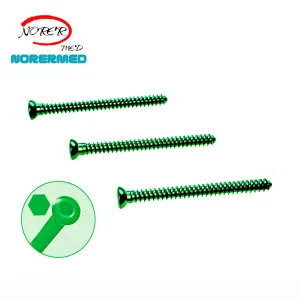
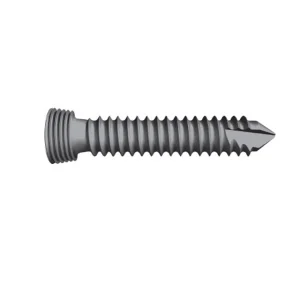
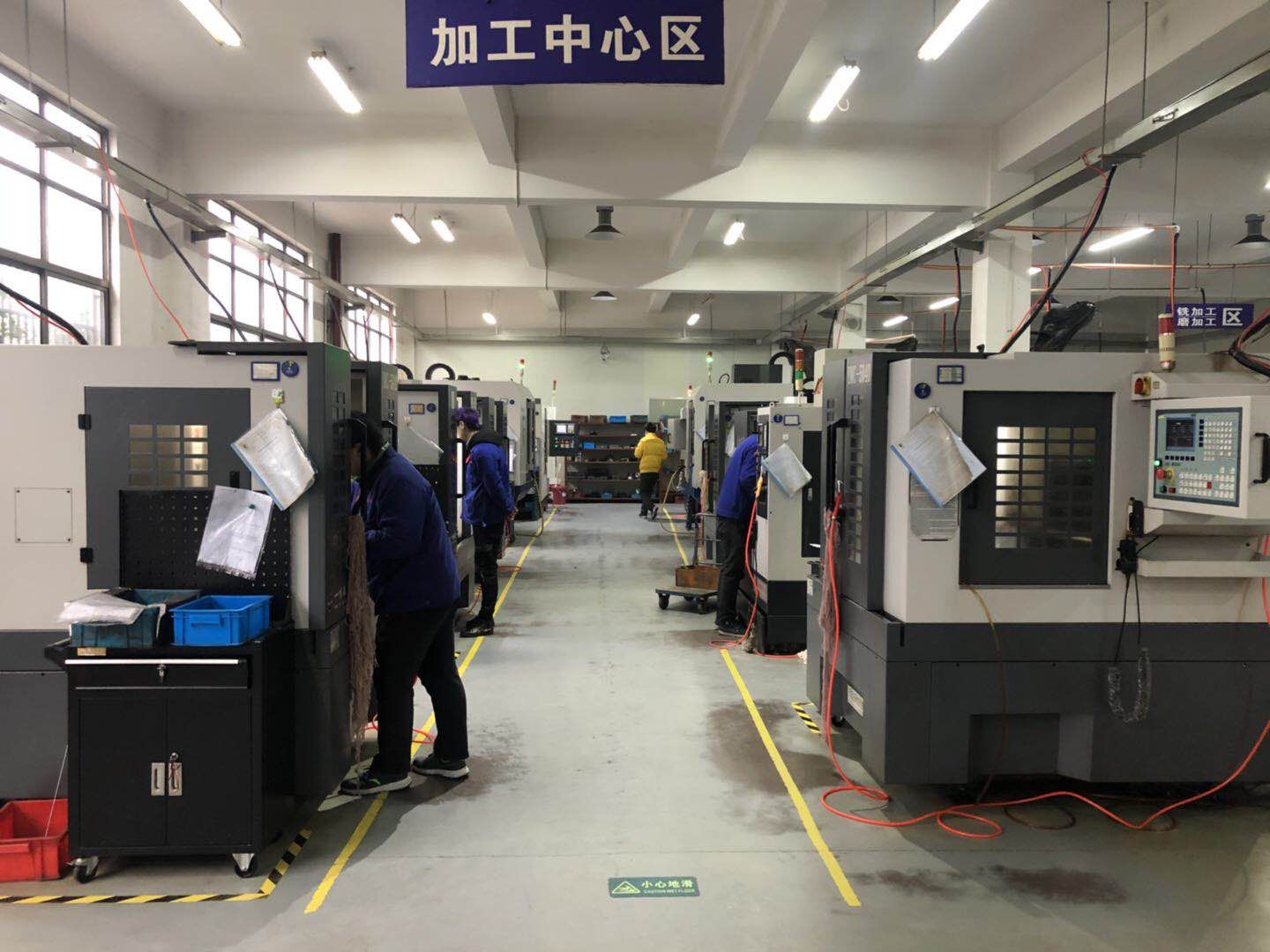
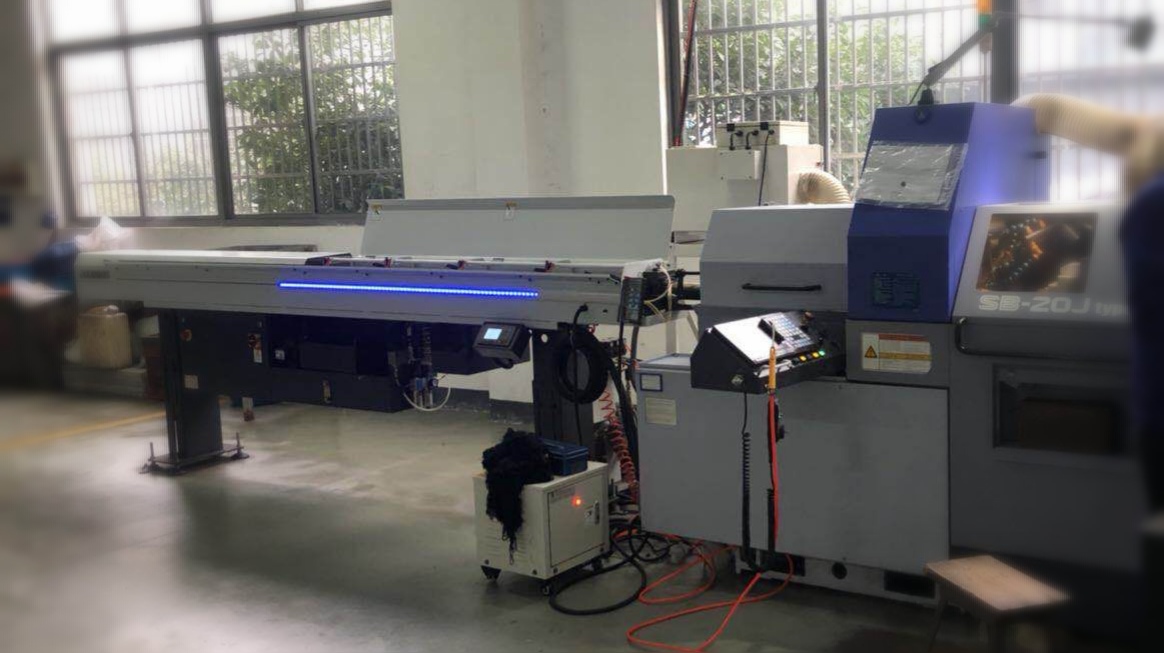
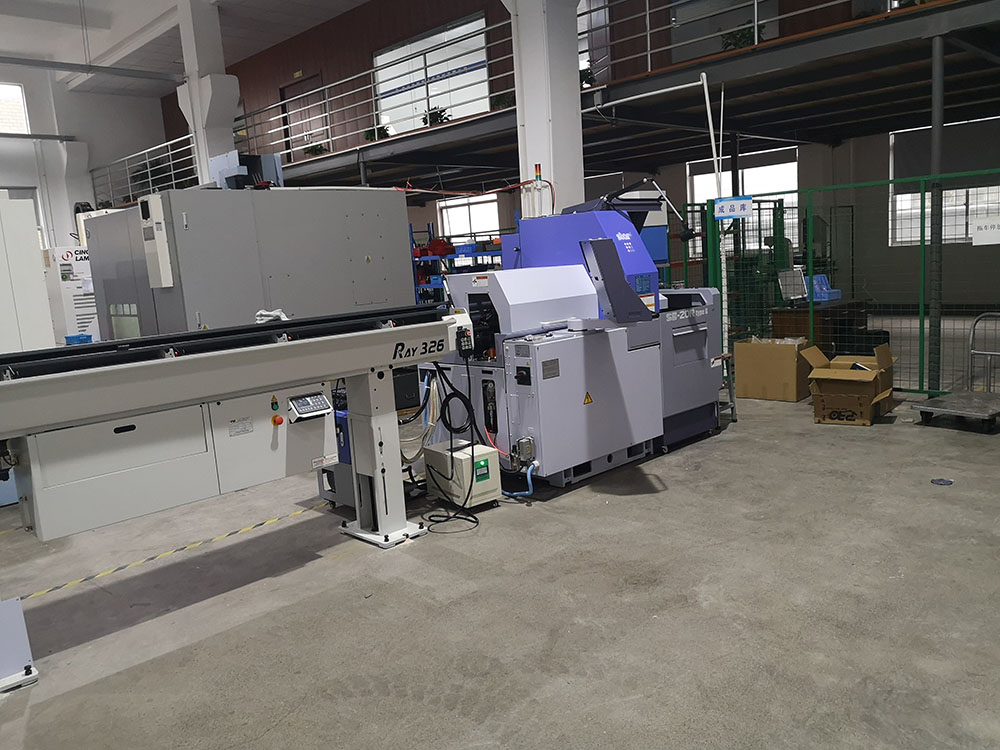
Whether manufacturing a complex Veterinary Pedicle Screw or a neural electrode connector sleeve, standard machining processes will fail. Our workshop relies on multi-axis Swiss CNC turning centers capable of holding tolerances down to ±0.005mm. This level of accuracy is critical to prevent thread stripping in cortical bones and to ensure secure mechanical locking in intramedullary systems.
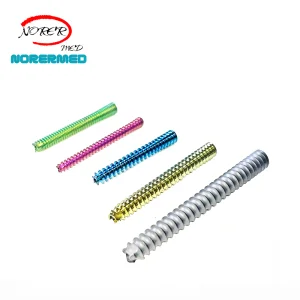
Furthermore, medical implants demand pristine surface finishes to mitigate bio-fouling or, conversely, to encourage rapid bone growth. Our surface treatment processes include chemical passivation, electro-polishing, sandblasting (SLA), and anodic color coding for rapid size recognition in high-stress operating environments.
Choosing the correct biomaterial is a foundational decision in implant engineering. Both materials offer distinct biomechanical benefits depending on the target anatomy and application profile:
| Material Property | Titanium Alloy (Ti-6Al-4V ELI) | Medical PEEK (Polyetheretherketone) |
|---|---|---|
| Elastic Modulus | ~110 GPa (High strength, potential stress shielding) | ~3.6 GPa (Close to cortical bone, minimizes stress shielding) |
| Radiolucency | Radiopaque (Blocks X-ray imaging) | Radiolucent (Allows clear visualization of fusion sites) |
| Osseointegration | Excellent naturally; enhanced via surface textures | Bioinert; requires specialized coating or porous structuring |
| Primary Applications | Trauma Plates, Locking Screws, Interlocking Nails | ACIF & TLIF Spinal Fusion Cages, Cranial Implants |
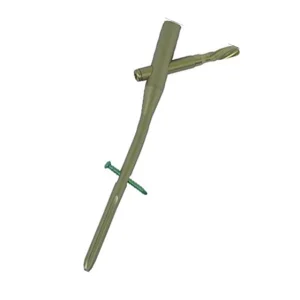
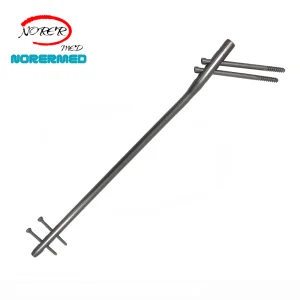
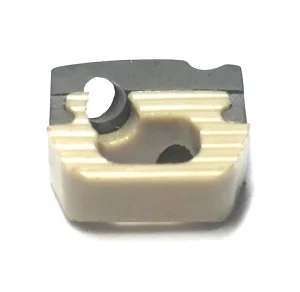
For applications such as our ACIF PEEK Locking Infusion Cage for Cervical Spine, PEEK's mechanical characteristics reduce structural wear on surrounding vertebra. However, for skeletal fixation, nothing matches the raw structural shear performance of our Titanium Pedicle Screws and PFNA Interlocking Nails.
Global procurement teams must confidently navigate regulatory frameworks. Maka Medical maintains active conformity to trace material origins and manufacturing processes back to the raw batch level. Every order of titanium screws or custom electrodes arrives with raw material certifications (mill sheets), surface roughness measurement records, and cleanroom bioburden reports.
Our factory processes guarantee alignment with the European Medical Device Regulation (EU MDR 2017/745) and United States FDA 510(k) standards, expediting clinical validation pipelines for our OEM partners.
Precision-Engineered Orthopedic Hardware for Veterinary & Human Surgery
Bringing a new implantable medical device to market requires navigating a complex design, testing, and approval process. We support OEMs with a structured, step-by-step workflow designed to minimize compliance risk and expedite time-to-market:
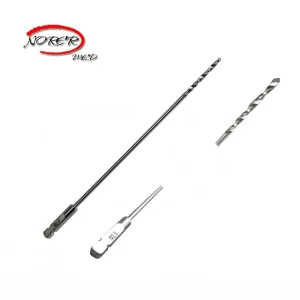
Through this workflow, we ensure that every batch of titanium bone plates, orthopedic drill bits, or custom neural electrodes performs consistently in critical clinical settings.
Addressing Crucial Engineering, Sourcing, and Regulatory Concerns
Maka Medical Technology Co., Ltd. is located in Changzhou, Jiangsu, China. We are a specialized manufacturer of orthopedic trauma bone plates, bone screws, interlocking intramedullary nails, spinal pedicle screws, cervical plates, and PEEK cervical and lumbar fusion cages. With over a decade of deep medical manufacturing experience, we serve as an OEM and trading partner to clients worldwide.
Leveraging high-precision Swiss CNC machining systems, cleanroom facilities, and a dedicated team, we provide scalable manufacturing solutions matching the exact demands of modern human and veterinary surgery.