Maka Medical Surgical
Maka Medical Surgical
Maka Medical Surgical
Explore our highly specified selection of orthopedic hardware. Manufactured in compliance with rigorous ISO 13485 standards, these systems offer optimum bio-compatibility, biomechanical structural integrity, and exceptional mechanical stability for human and veterinary applications.
The global market for orthopedic rehabilitation implants and devices is undergoing a structural shift. Triggered by an aging global population, the escalation of musculoskeletal disorders, and rising incidences of traumatic injuries, healthcare institutions worldwide are demanding more reliable, biologically compatible, and mechanically optimized orthopedic solutions. Key B2B buyers—ranging from specialized orthopedic hospitals to regional medical distributors—are prioritizing clinical efficacy alongside supply chain stability.
At the macro level, orthopedic implants are no longer simple mechanical structures. They are dynamic bio-interfaces. Regulatory bodies, including the European Union's MDR (Medical Device Regulation) and the US FDA, have tightened validation standards. Consequently, manufacturers must maintain absolute control over chemical processing, cleanroom compliance, raw material traceability, and fatigue limits. For sourcing teams, collaborating with Chinese manufacturers situated in high-tech medical industrial clusters provides the structural advantages of advanced metallurgical processing, low-tolerance CNC capabilities, and highly consolidated component supply chains.
Achieving long-term clinical safety in orthopedic trauma surgery requires precise material selection. Implants must exhibit a biomechanical modulus similar to human bone to prevent stress-shielding, while retaining high fatigue strength to withstand physiological load-bearing conditions.
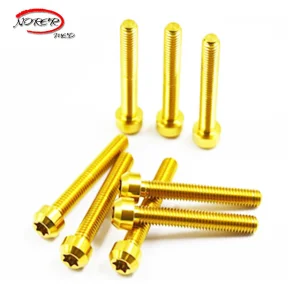
Utilizing Ti-6Al-4V ELI (Extra Low Interstitial) matching ASTM F136 specifications. This alloy provides exceptional corrosion resistance, superior biocompatibility, and high osteointegration capabilities. Ideal for pedicle screws, locking compression plates, and intramedullary interlocking nails.
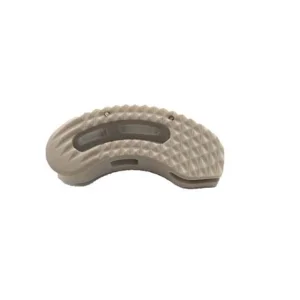
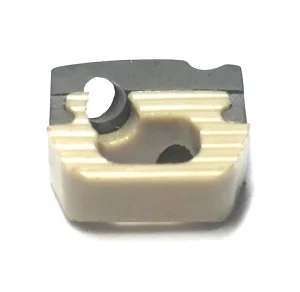
Polyetheretherketone (PEEK) represents the gold standard in spinal fusion technology. Providing an elastic modulus close to cortical bone, PEEK reduces stress shielding. It features high radiolucency, allowing surgeons to clearly monitor fusion progress using CT or X-ray imaging.
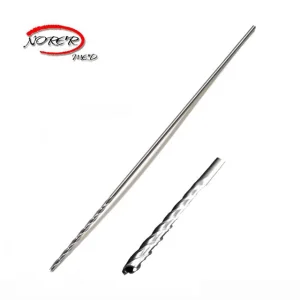
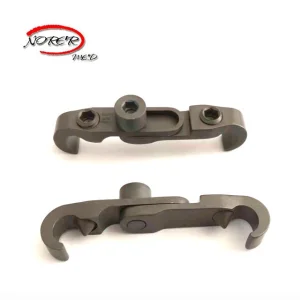
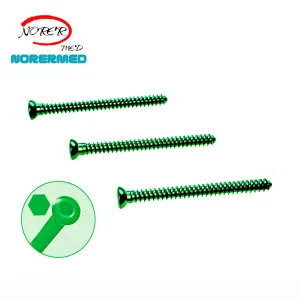
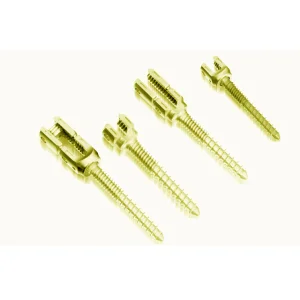
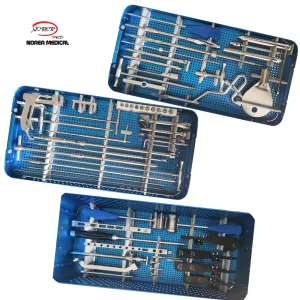
Maka Medical Technology Co., Ltd. is located in Changzhou City, Jiangsu Province, China—a premier manufacturing hub for advanced orthopedic implants. We specialize in the sourcing, engineering development, and distribution of high-grade orthopedic trauma bone plates, bone screws, orthopedic interlocking nails, orthopedic spinal pedicle screws, cervical plates, PEEK cervical & lumbar cages, and associated surgical instrument systems.
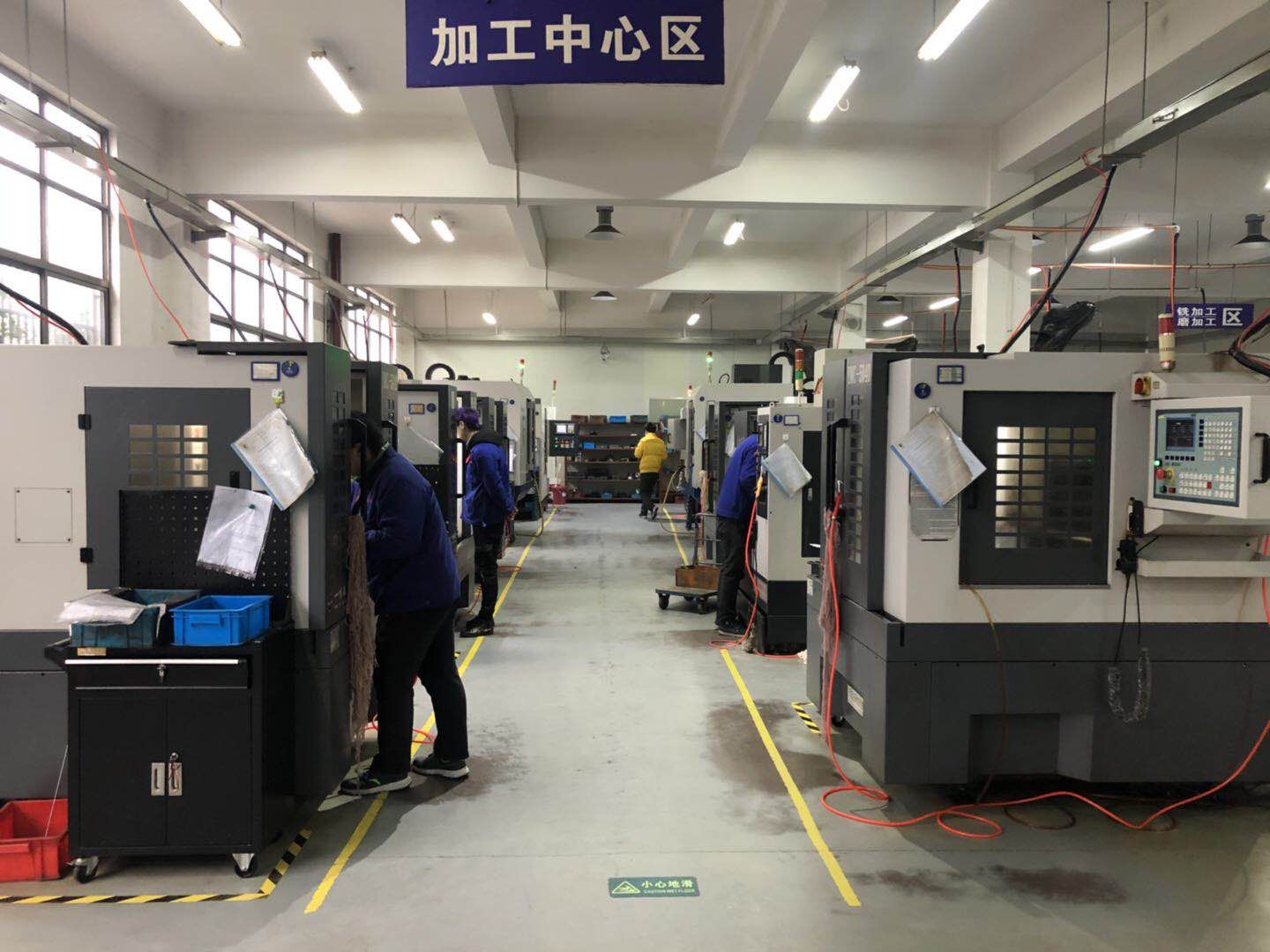
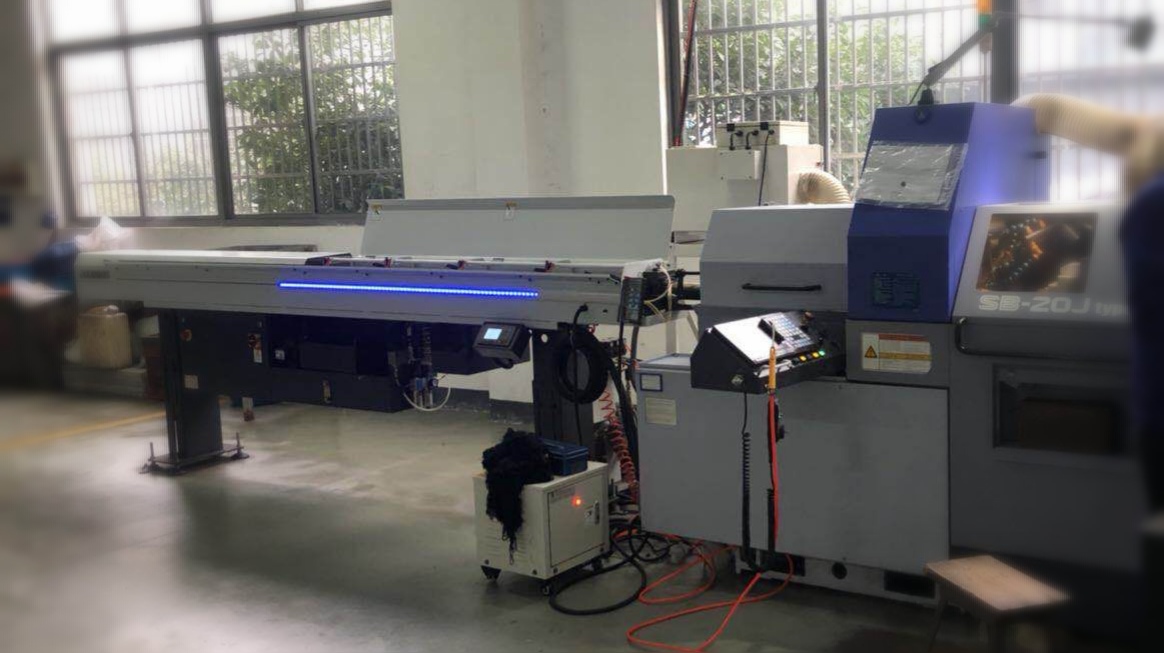
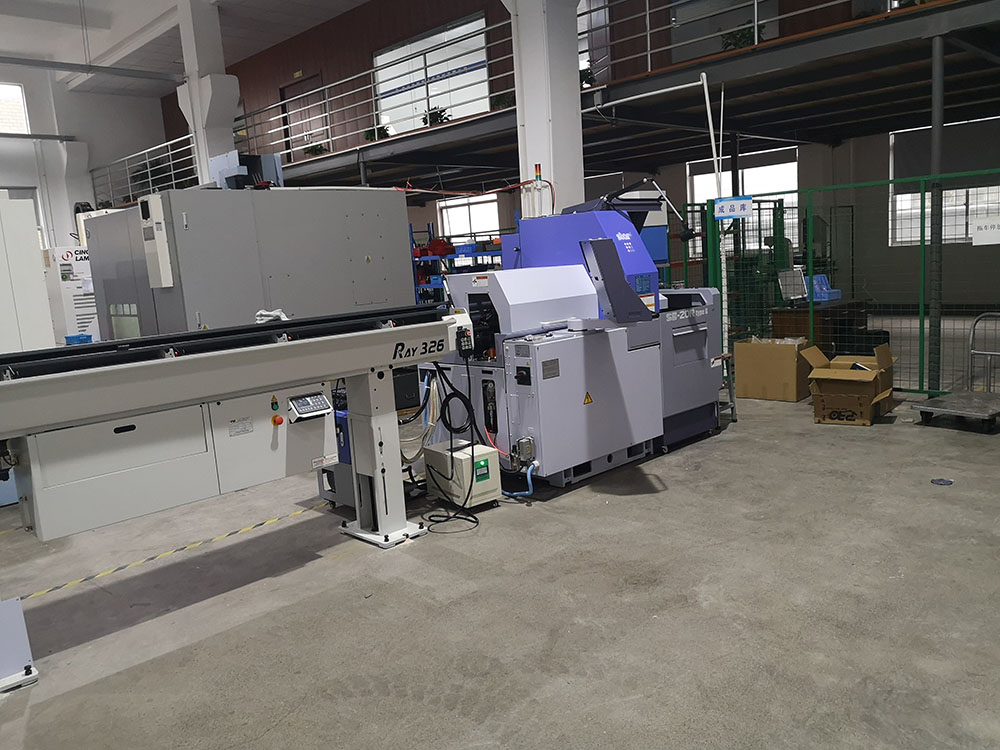
Operating globally in the medical sector requires strict adherence to regulatory compliance. Sourcing orthopedic implants from China is highly cost-efficient when supported by an OEM partner that adheres to strict international testing standards. Maka Medical coordinates with certified manufacturing units to ensure that all implant designs comply with standard clinical requirements.
Every batch of raw medical titanium or PEEK is accompanied by a material certificate and mill test report (MTR). This level of document control ensures that the chemical composition and physical properties align with medical implant requirements.
Equipped with 3D coordinate measuring machines (CMM) and optical micro-projectors, the quality control workflow ensures that the screw threads, slot tolerances, and plate profiles meet design specifications with micron-level precision.
Different surgical procedures require specialized reconstructive and fixation systems. Our product portfolio is organized into target application fields to address trauma surgeries, spinal reconstruction, and joint repair.
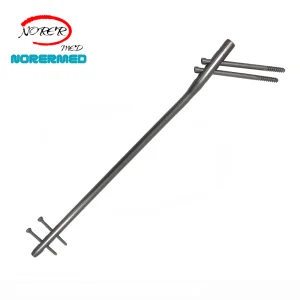
Designed to treat severe fractures of the limbs. Includes interlocking femoral nails, PFNA (Proximal Femoral Nail Antirotation) systems, distal plates, and locking screws, ensuring early-stage weight-bearing and stable bone healing.
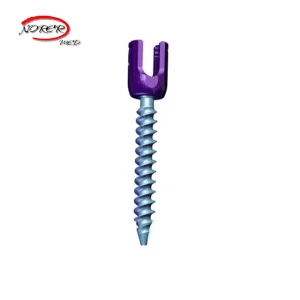
Offers spinal stabilization via pedicle screws, crosslink rods, and intervertebral fusion cages (PEEK TLIF/ACIF cages). These systems support biomechanical correction, load sharing, and high rates of fusion.
Providing scaled down pedicle screws, plates, and locking cages tailored specifically for canine, feline, and equine orthopedic procedures. Built to the same high quality standards as human medical implants.
As medical standards progress, the orthopedic implant sector is transitioning toward patient-specific solutions and bioactive interfaces. Maka Medical coordinates with forward-thinking manufacturing facilities to track these technical advancements:
Transitioning from conventional subtractive CNC milling to Electron Beam Melting (EBM) and Selective Laser Melting (SLM). This tech enables the creation of highly porous titanium structures that mimic trabecular bone, encouraging rapid bone cell growth.
Applying advanced surface treatments, such as Hydroxyapatite (HA) plasma spraying, acid-etching, and anodic oxidation. These coatings improve the biological connection between bone tissue and the metal surface of implants.
Researching magnesium and zinc-based alloys for temporary bone fixtures. These implants naturally dissolve in the body over time, eliminating the need for a second surgery to remove the metal hardware.
Get answers to common technical, commercial, and regulatory questions regarding importing orthopedic rehabilitation implants and trauma systems from China.
Examine our technical systems for complex joint reconstruction, spinal stabilization, and targeted trauma care. Each component is engineered to provide precise anatomical fitment and reliable performance under load.