Maka Medical Surgical
Maka Medical Surgical
Maka Medical Surgical
Select from our precision-engineered selection of human and veterinary trauma fixation devices designed for immediate load-sharing capabilities and rotational stability.
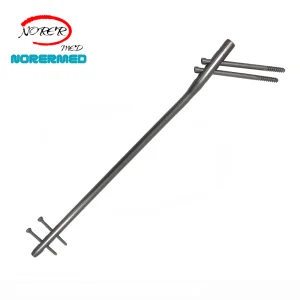
The stabilization of long bone fractures has undergone a significant paradigm shift from external fixation and compression plating towards internal splinting. Interlocking intramedullary nails act as load-sharing implants. Positioned inside the medullary canal, they align with the bone's neutral axis, bearing axial loads while transferring mechanical stresses dynamically. This system prevents stress-shielding, a clinical phenomenon common with rigid plating that limits bone remodeling and mineral density restoration.
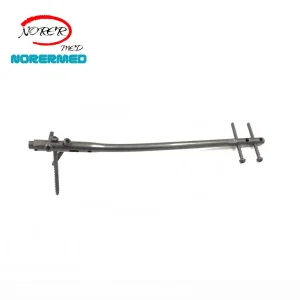
By using locking screws through the distal and proximal ends of the nail, rotation and shearing movements are neutralized. This biomechanical configuration allows for early mobilization of post-trauma patients, accelerating osteogenesis and vascular recovery within the cortical bone. For high-stress applications, choosing the right material composition is essential.
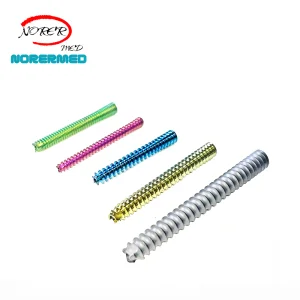
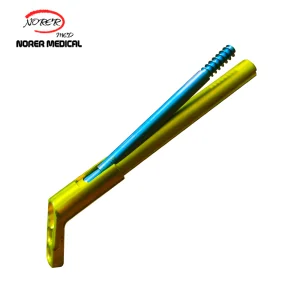
Our interlocking systems utilize advanced anodization processes to create a dense titanium dioxide surface layer. This process increases corrosion resistance, prevents metal ion migration, and provides color-coded identification for clinical workflow optimization during critical operations.
Navigating regulatory compliance, cost-efficiency, and material specifications when sourcing from high-capacity Chinese manufacturing hubs.
Modern hospital purchasing managers, medical equipment distributors, and veterinary implant brokers demand comprehensive supply chain validation. Key purchasing requirements extend beyond basic pricing structures to encompass production validation, biological cleanliness certificates, and manufacturing consistency. Working directly with specialized suppliers in the Changzhou medical manufacturing cluster offers significant strategic advantages:
Every raw material batch of titanium and stainless steel is verified through chemical analysis and mechanical testing, ensuring compliance with ASTM F136 and ISO 5832 specifications before machining begins.
Tolerances are maintained within micrometer ranges using Japanese Star and Citizen multi-axis CNC machines. This guarantees absolute axial alignment of distal and proximal locking holes.
Final components undergo specialized ultrasonic cleaning stages to remove machining lubricants. Optional EO (Ethylene Oxide) gas sterilization options are available for immediate clinical application.
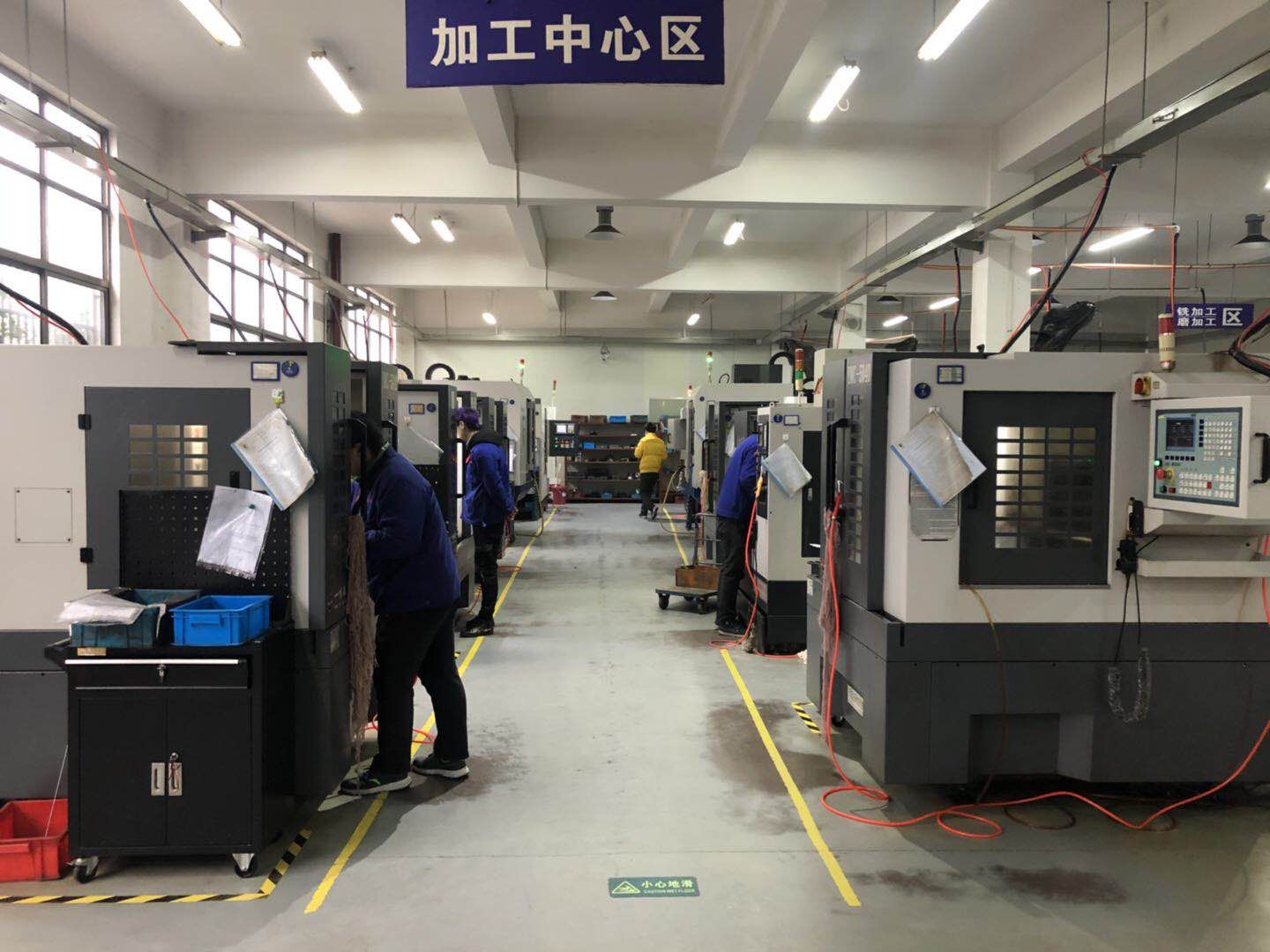
China's orthopedic manufacturing clusters represent a major concentration of precision medical tooling, surface treatment facilities, and material suppliers globally. By consolidating material testing, anodizing, passivation, and logistics in Changzhou, Maka Medical achieves rapid production cycles and competitive pricing.
Our vertically integrated operations run on real-time quality control systems. By tracking each production stage, we minimize defects, reduce lead times for custom runs, and guarantee full component interchangeability. This level of supply chain integration allows us to pivot quickly to meet urgent distributor needs or dynamic market demands.
Review critical engineering dimensions, material standards, and clinical applications for our core intramedullary locking systems.
| System Type | Available Alloys | Anatomical Diameter | Locking Mechanisms | Key Clinical Indications |
|---|---|---|---|---|
| Expert Tibial Nail | Ti-6Al-4V ELI / 316L | 8.0mm - 12.0mm | Multiplanar Distal Screws | Proximal, shaft, & distal tibia fractures |
| Femoral Reconstruction Nail | Ti-6Al-4V ELI | 9.0mm - 13.0mm | Reconstruction (Lag Screws) | Femoral shaft and ipsilateral neck fractures |
| PFNA Nailing System | Ti-6Al-4V ELI | 9.0mm - 12.0mm | Helical Blade & Locking Screw | Pertrochanteric & subtrochanteric fractures |
| Veterinary Micro Systems | Ti-6Al-4V ELI / 316L | 2.0mm - 6.0mm | Standard Monocortical Screws | Feline and canine diaphyseal bone stabilization |
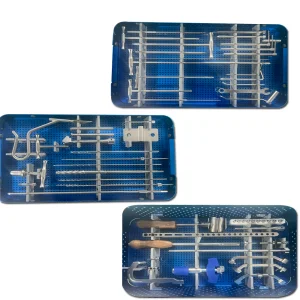
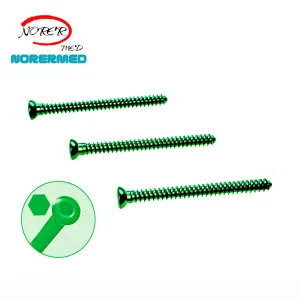
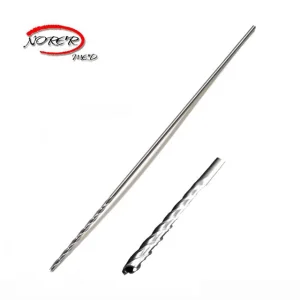
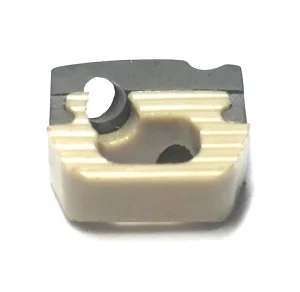
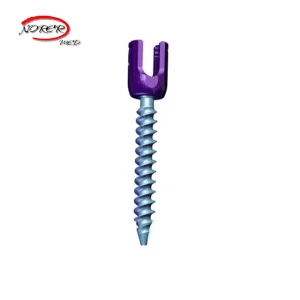
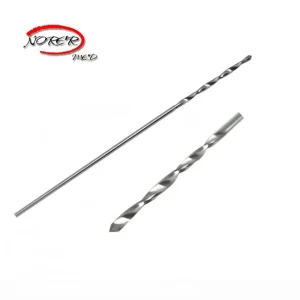
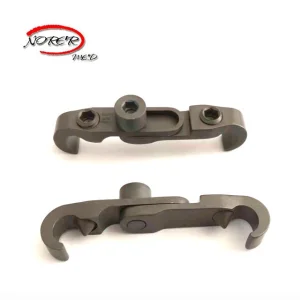
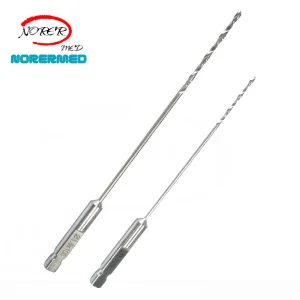
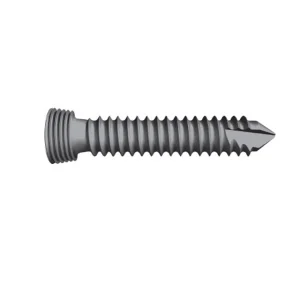
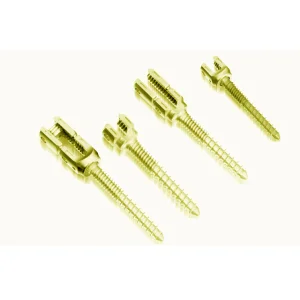
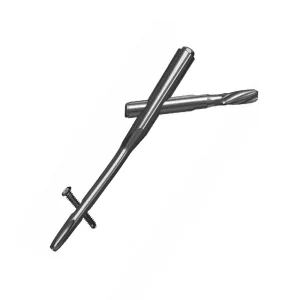
Additional surgical implants, fixation screws, drill bits, and specialized instrumentation sets supporting our interlocking nail lines.
Both human and veterinary orthopedic implant designs share the core goal of stabilizing bone structures. However, their mechanical and anatomical requirements differ significantly, requiring custom adaptations in sizing, geometry, and surgical insertion protocols:
Human Trauma Applications: Human implants require extensive, long-term biomechanical profile modeling. Human bones present varying cortical thickness and bone density distributions, particularly in osteoporotic or elderly patients. Implants like the Proximal Femoral Nail Antirotation (PFNA) address these challenges by replacing lag screws with helical blades. This configuration compacts the cancellous bone structure, offering superior holding power and resisting cutout failure in weak bone tissue.
Veterinary Trauma Applications: Veterinary implant demands are defined by diverse anatomical sizes and weight distributions. From feline femurs to large canine bones, veterinarians require miniature interlocking nail options (often between 2.0mm and 6.0mm in diameter) along with high-strength spinal pedicle screw systems and PEEK cages. Since animal patients cannot follow post-operative unloading instructions, these implants must immediately handle active, unassisted weight-bearing loads.
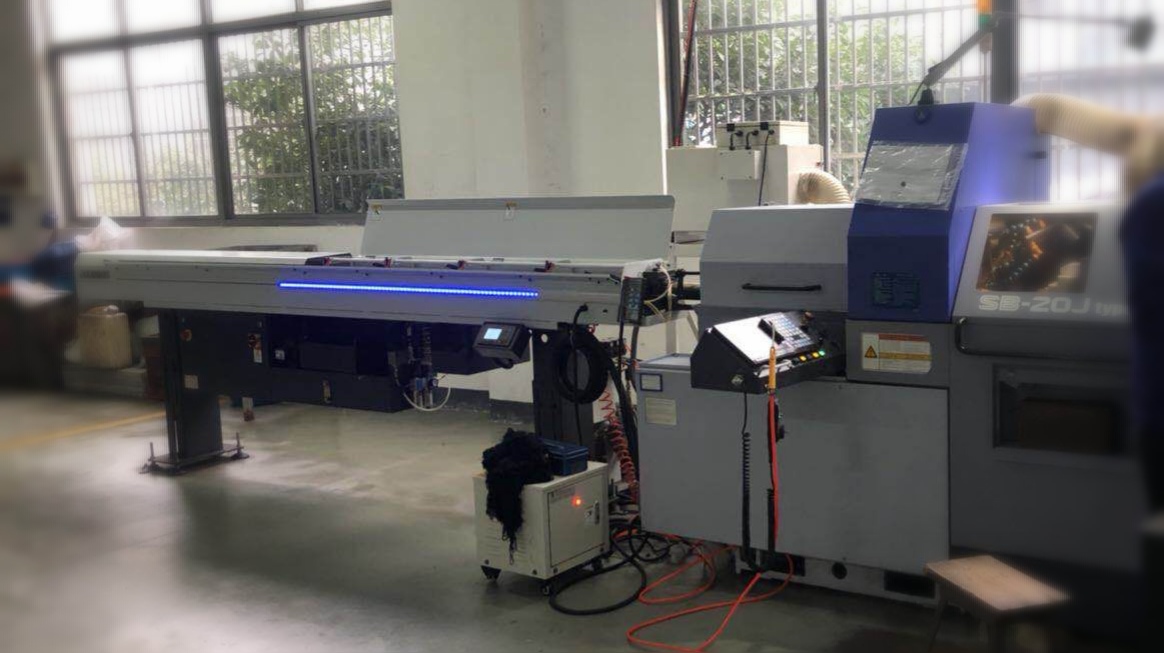
Located in Changzhou, China—the central hub of the domestic medical device sector—Maka Medical Technology Co., Ltd. manufactures trauma and spinal implants. We supply high-precision bone plates, cortical and cancellous bone screws, spinal pedicle systems, cervical plates, PEEK cervical/lumbar cages, and matching surgical instrument sets.
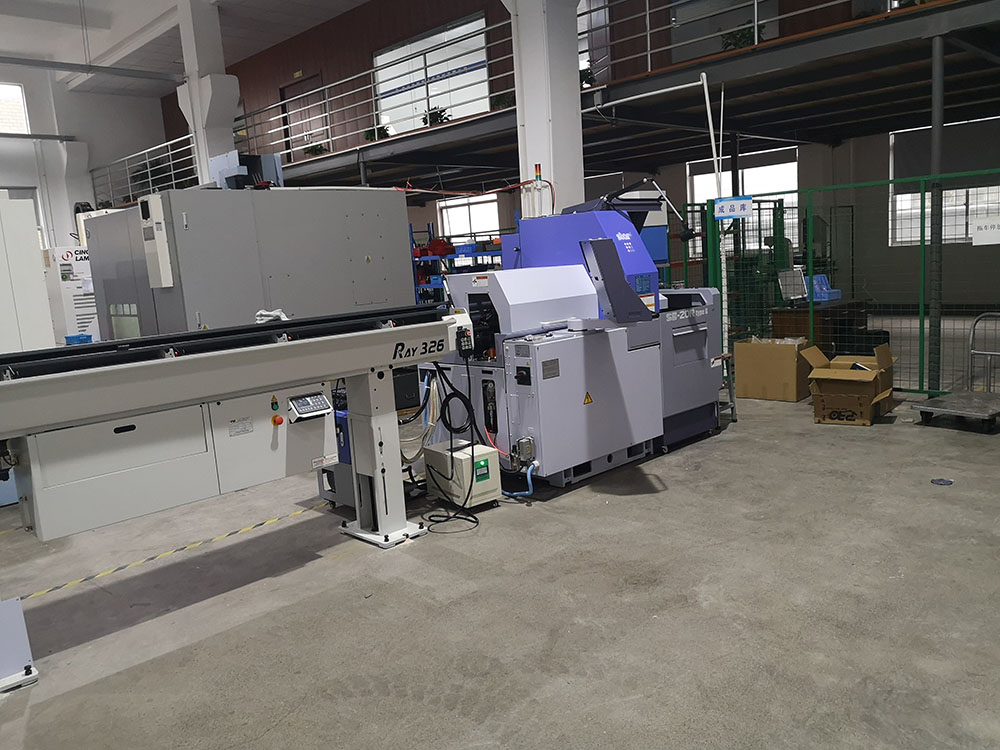
Our production facility is equipped with automated CNC lathe machines, milling centers, and multi-stage cleanroom packaging setups, allowing us to consistently deliver high-quality implants that meet strict medical standards worldwide.
Detailed technical answers to common questions about materials, regulatory compliance, engineering tolerances, and customization options.