 Maka Medical Surgical
Maka Medical Surgical
Maka Medical Surgical
Engineered using biocompatible Grade 5 Titanium (Ti-6Al-4V ELI) and PEEK polymer systems, optimized for long-term osseointegration and precision mechanical performance.
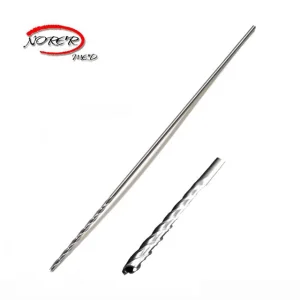
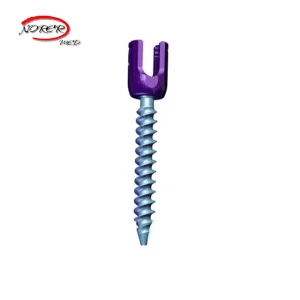
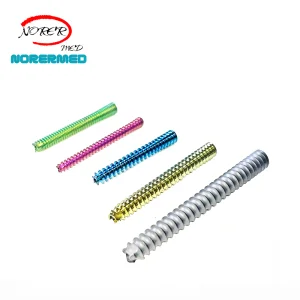
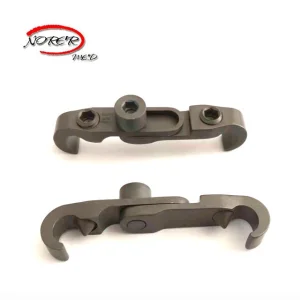
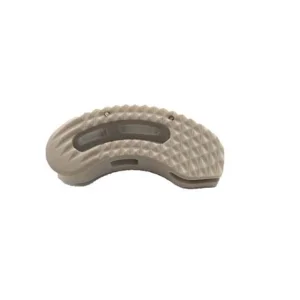
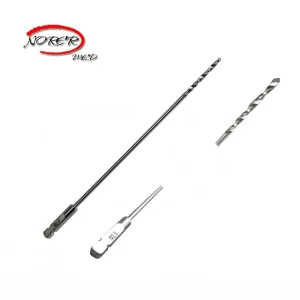
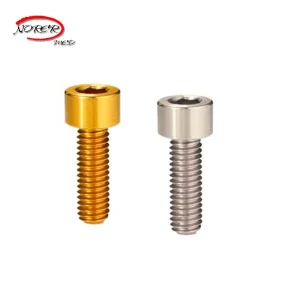
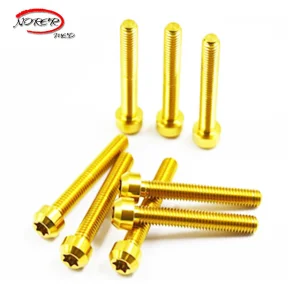
In the contemporary healthcare procurement sector, sourcing managers, hospital networks, and distributors prioritize multi-system compatibility, bio-mechanical durability, and absolute regulatory compliance. Advanced orthopedic interventions—ranging from human spinal alignment to complex veterinary reconstruction—require high-performance implantable technologies capable of withstanding significant stress profiles.
Utilization of ISO-compliant Ti-6Al-4V ELI (Grade 23) Titanium alloy, which reduces risk of implant rejection, provides excellent fatigue strength, and minimizes post-operative micro-motion at the bone-implant interface.
Micro-machining components down to sub-micron accuracy tolerances (±0.005mm) using advanced multi-axis CNC Swiss longitudinal lathes, vital for threaded locks, cannulations, and complex head shapes.
Strict alignment with ASTM F136 specifications and ISO 13485 standards. Global supply chains mandate rigorous heat-number traceability back to raw titanium ingots to prevent cross-contamination.
Modern surgical protocols demands integrated instrument-to-implant ecosystems. Surgical components cannot be assessed in isolation; they must function synchronously inside the operation theater to reduce anesthesia time and minimize invasive trauma.
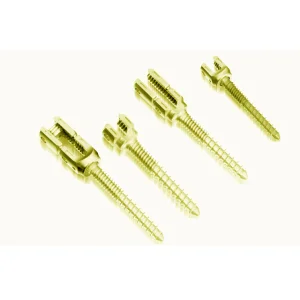
From a clinical standpoint, bone fixation mechanisms rely heavily on surface roughness and thread profile designs to optimize contact-induced osteogenesis. For instance, in vertebral stabilization, the Titanium Spine Uniplanar Pedicle Poly Screw allows multi-axial angulation, accommodating anatomical variation in the thoracic and lumbar spinal curvature. When paired with high-performance Titanium Orthopedic Crosslink Rods, the assembly provides torsional rigidity, which is critical for correcting spinal deformities while preventing hardware breakdown.
Additionally, the introduction of non-metal alternatives, such as the Veterinary Orthopedic PEEK Lumbar TLIF Cage, represents a massive leap forward in diagnostic imaging compatibility. Polyetheretherketone (PEEK) features an elastic modulus highly comparable to natural bone tissue, mitigating the "stress shielding" effect. Furthermore, PEEK is radiolucent, enabling surgeons to easily track bone fusion progress via post-operative X-rays without the scattering distortions caused by traditional metal cages.
A certified technological leader based in Changzhou City, Jiangsu Province, China—a region internationally recognized as the epicentre of precision medical component manufacturing.
Corporate Capability Statement:
"We are located in Changzhou city, CHINA. We are an Orthopedic Trauma bone plate, bone screw, orthopedic Interlocking nail, orthopedic spine pedicle screw, Cervical Plate, PEEK cervical & lumbar cage and related equipments manufacturer. Through our 10-year dedication to medical grade alloys and polymers, we supply distributors, research centers, and veterinary surgical groups globally with standard-setting implants."
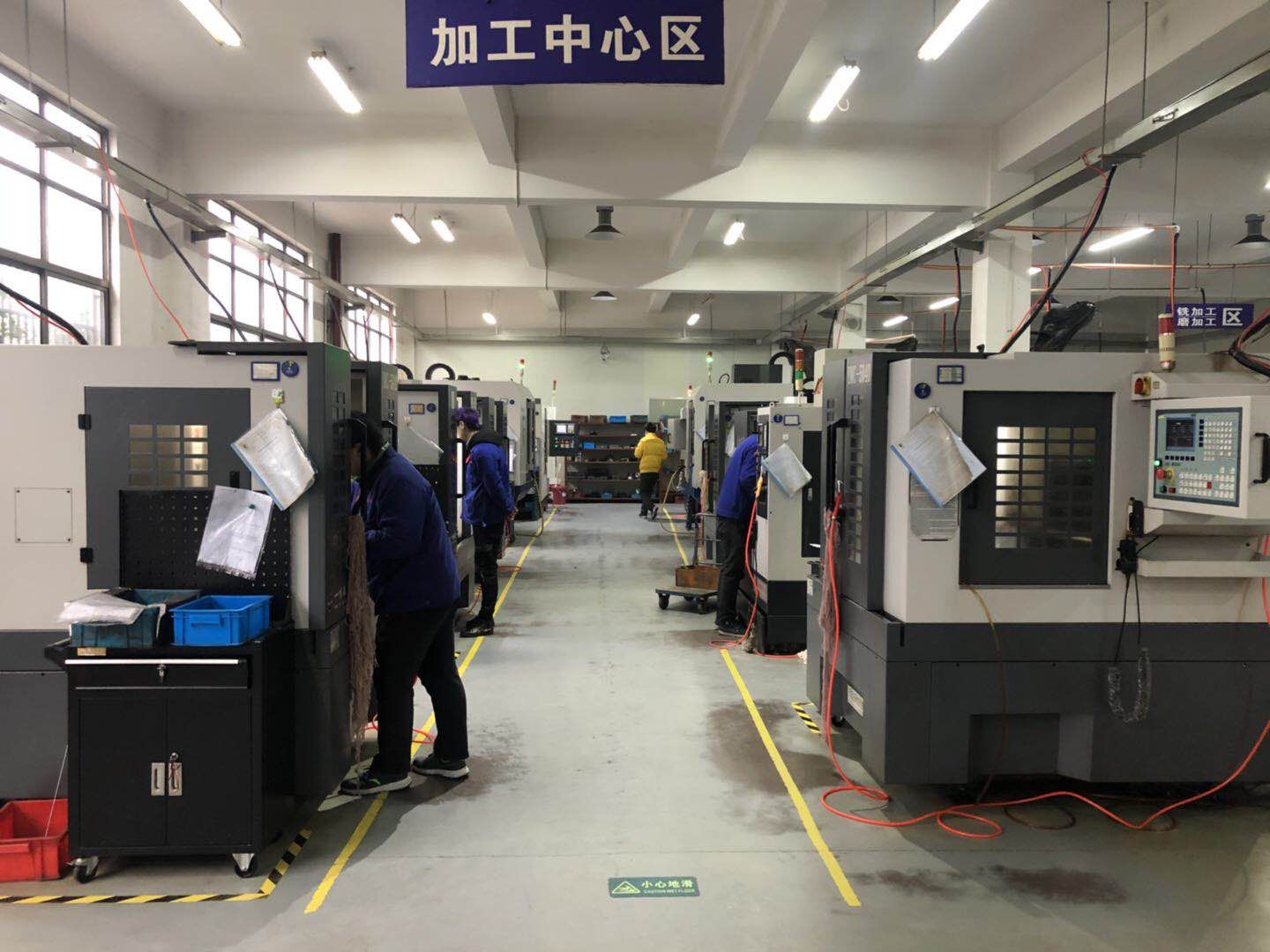
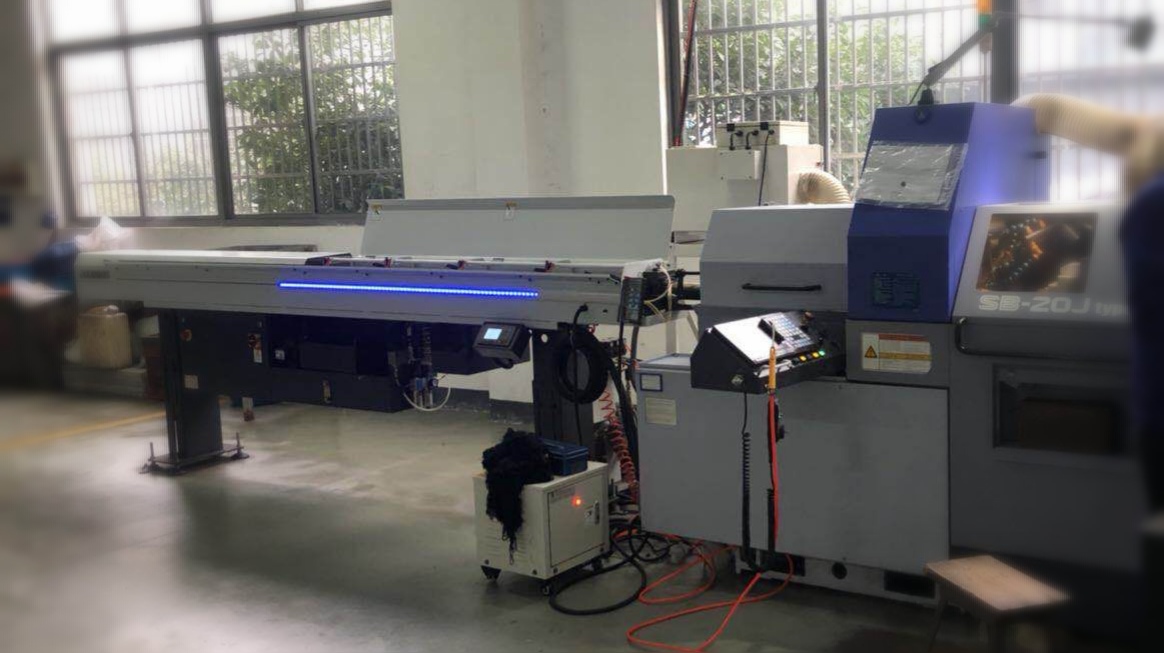
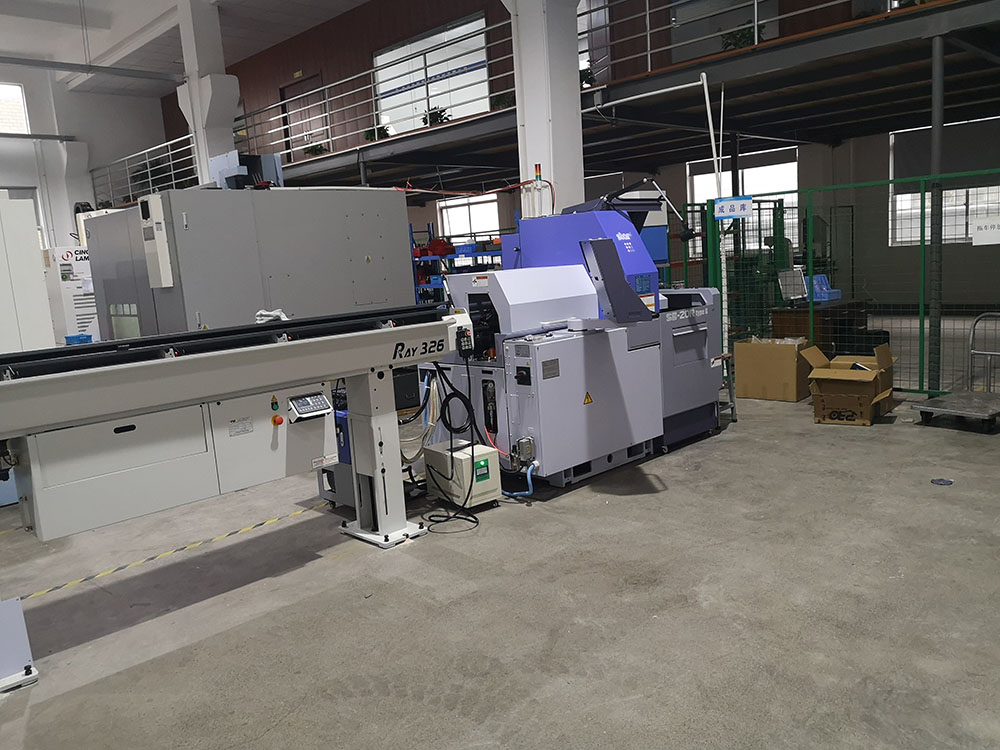
Ensuring patient safety requires maintaining ultra-precision during every phase of manufacturing. From primary metal alloy screw machining to final cleaning processes, Maka Medical Technology applies robust, automated validation systems.
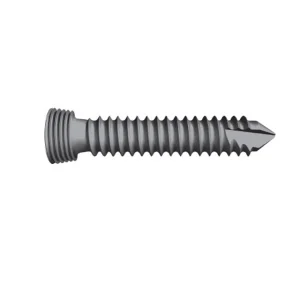
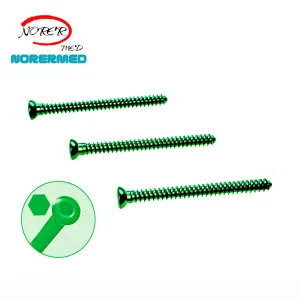
Using premium machines like Citizen and Star longitudinal Swiss lathes, Maka Medical performs high-speed thread turning, profile cutting, and multi-angle head milling in a single setup. This method minimizes errors and guarantees thread accuracy for complex hardware like Metal Alloy Screws and Titanium Screws.
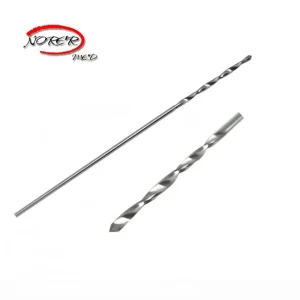
Manufacturing deep cannulations requires exceptional concentricity. Maka Medical uses specialized deep-hole drilling tech to ensure wall-thickness consistency for items like Stainless Steel Cannulated Drill Bits and Drill Bits with Quick Couplings. Maintaining concentricity prevents high runout and keeps operations precise during surgery.
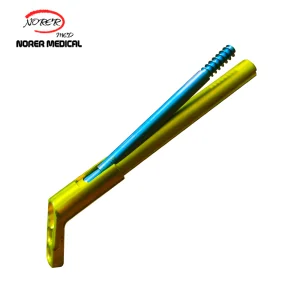
Advanced electrochemical surface treatments are applied to implants to enhance passivation layers. Color-coded anodization helps surgical teams quickly identify sizes mid-procedure, while also strengthening the oxide layer to increase wear resistance and prevent metal ion release in vivo.
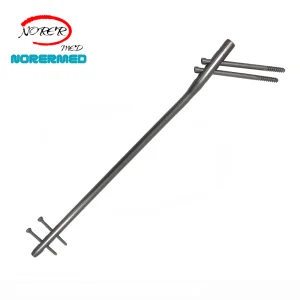
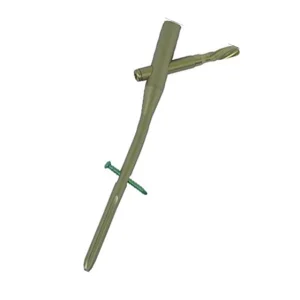
Engineered to support bone stabilization during anatomical healing, our interlocking nails and fixation plates are designed to handle complex fracture configurations.
Medical devices require complete quality validation to ensure clinical efficacy and safety. Maka Medical Technology operates in strict alignment with international regulatory frameworks, meeting compliance standards for distribution across major global markets.
Our facility is fully ISO 13485 certified, meaning every manufacturing step—from purchasing raw material to final shipping—follows clear, documented procedures. This level of quality management reduces risk, keeps product batches consistent, and ensures full transparency for audits.
Every batch of titanium is tested using mechanical pull and torque assays to verify physical performance limits. Chemical analyses confirm compliance with titanium specifications like ASTM F136 and ASTM F543. These tests ensure implants perform reliably and safely once placed in patient tissue.
| Implant Material | Modulus (GPa) | Imaging Performance | Primary Application |
|---|---|---|---|
| Ti-6Al-4V ELI | 110-114 | MRI Artifacts | Pedicle Screws, Locking Plates, PFNA Nails |
| PEEK Optima | 3.6 - 4.0 | Radiolucent | Vertebral Cages (TLIF/PLIF) |
| 316L Stainless Steel | 190-200 | Heavy Distortion | Surgical Drills, Temporary Fixators |
*Note: Materials must be selected based on specific patient anatomy, expected biomechanical load cycles, and diagnostic imaging needs.
Professional insights regarding engineering standards, material choices, custom manufacturing, and global supply logistics.