Maka Medical Surgical
Maka Medical Surgical
Maka Medical Surgical
Explore our advanced catalog of orthopedic implants designed to facilitate structural compression and dynamic anatomical alignment.
In modern osteosynthesis, mechanical compression is not merely a fixation technique; it is a vital clinical therapy that accelerates bone consolidation and restores physiological function.
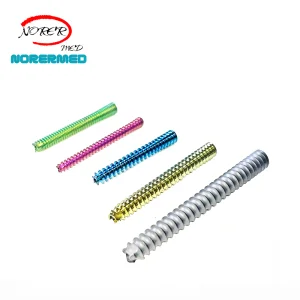
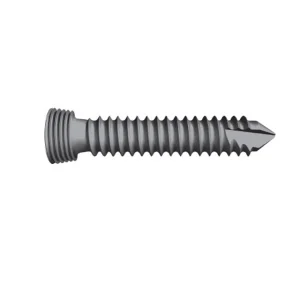
Achieved using headless cannulated compression screws, this method generates static compression forces across the fracture gap. It minimizes micromotion, reduces the risk of non-union, and facilitates direct osteonal bone healing without visible callus formation.
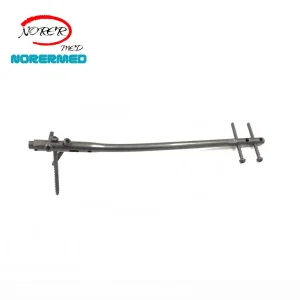
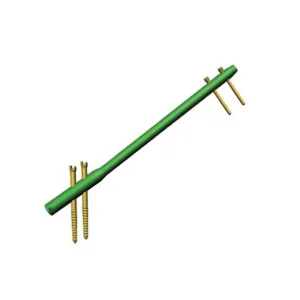
Intramedullary expert nailing systems utilize dynamic interlocking mechanisms to convert physiological loading into controlled micro-movements. This dynamic stimulation promotes secondary bone healing through the formation of periosteal calluses, in line with Wolff’s Law.
By coupling dynamic axial compression with locked cross-linking configurations, contemporary femoral and tibial interlocking systems counteract torsional forces. This dual-action approach prevents implant failure under high load stresses.
For orthopedics and trauma surgeons, implementing mechanical compression therapy using premium Chinese-manufactured implants ensures excellent anatomical reduction. These tools provide the necessary mechanical stability to encourage early mobilization and speed up patient recovery times.
The global market for orthopedic compression devices is shifting toward minimally invasive surgical techniques, bio-harmonious titanium alloys, and cost-efficient supply chains.
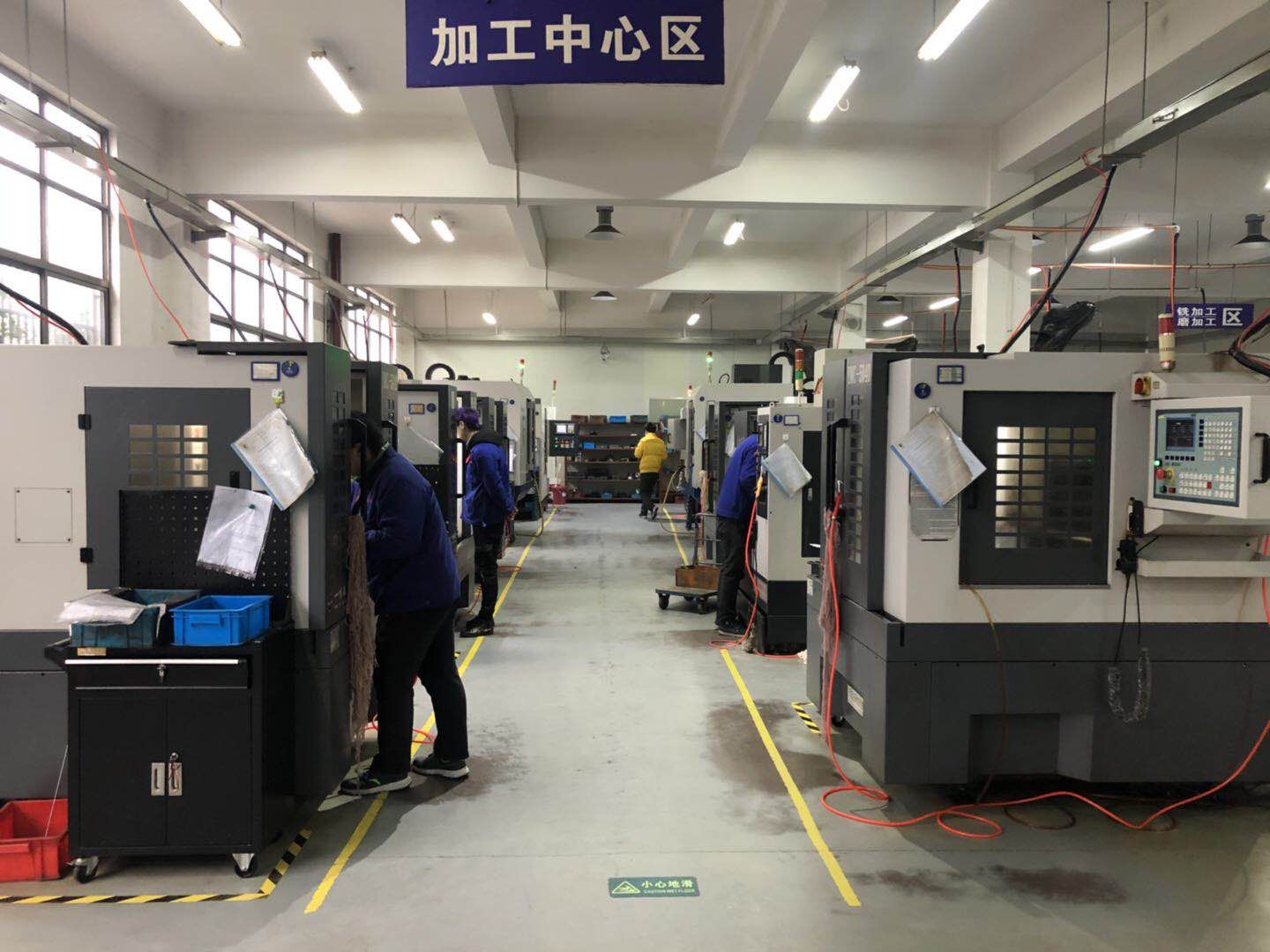
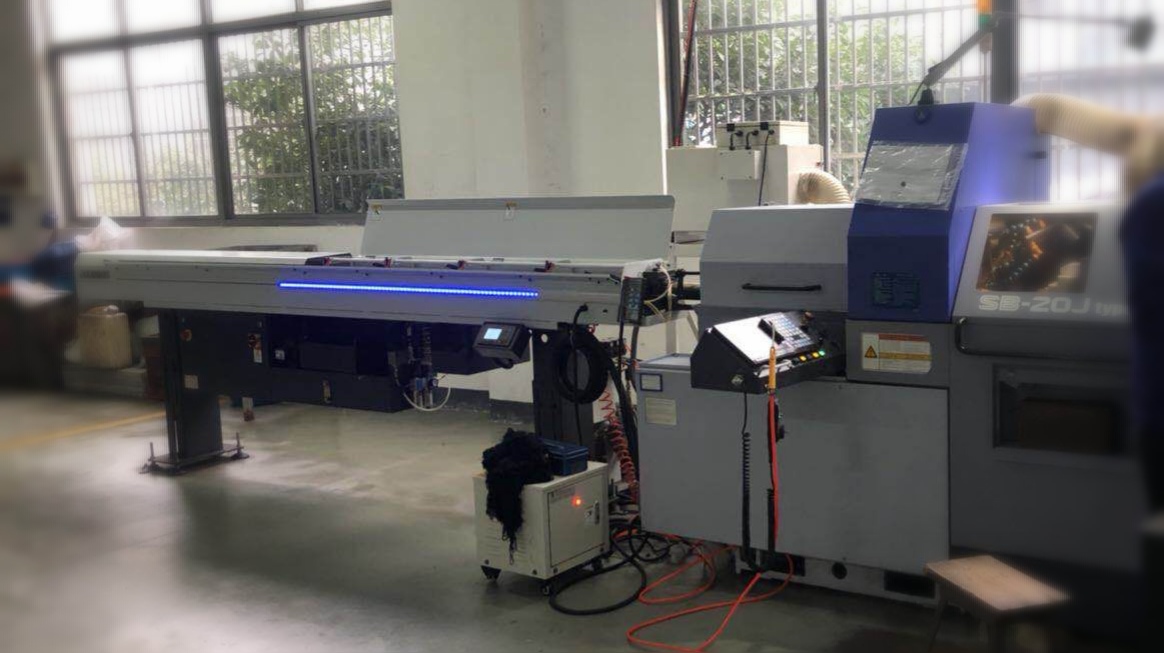
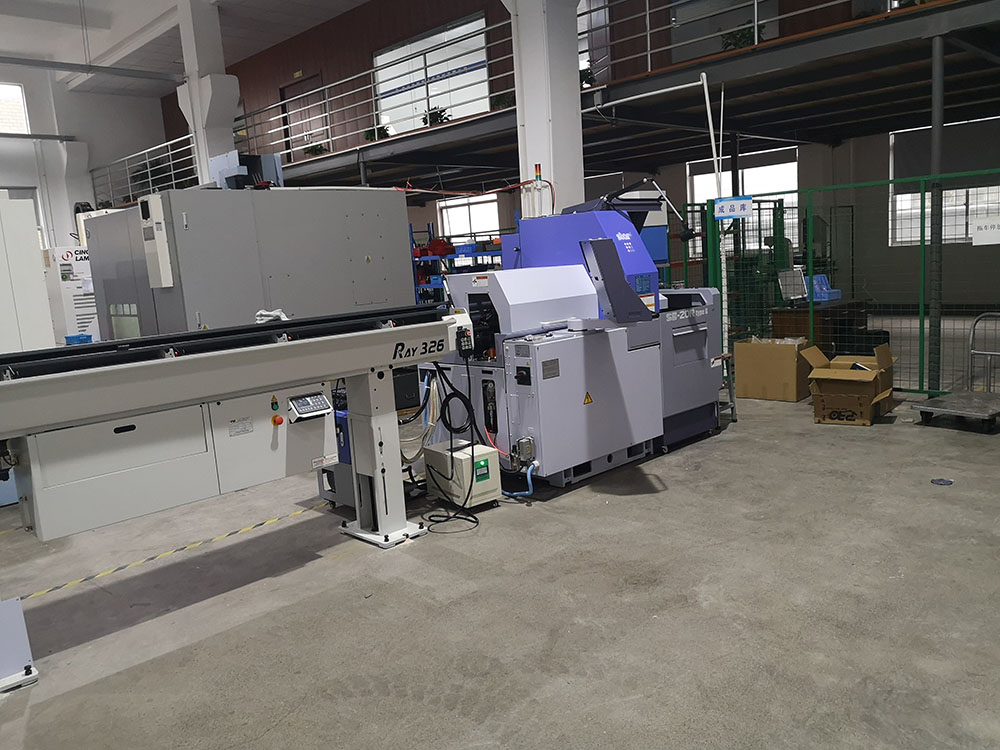
China's orthopedic industrial hubs, especially in Jiangsu province, have transitioned from traditional component suppliers to developers of integrated medical solutions. The close integration of raw material processing, precision multi-axis CNC Swiss machining, and cleanroom surface treatment processes allows for efficient production turnarounds while maintaining high quality.
As global healthcare systems focus on value-based care, the demand for cost-effective, high-grade implants is rising. Hospitals and distributors in South America, Southeast Asia, Eastern Europe, and Africa rely on Chinese medical technology manufacturers to bridge the gap between quality standards and budget constraints.
Navigating global medical device regulations requires rigorous testing, verified material tracing, and reliable localization support.
We construct our orthopedic compression implants using premium medical titanium alloys and implant-grade stainless steel. Every batch is certified with raw material chemical composition and mechanical performance testing sheets (such as tensile strength and fatigue resistance tests).
Our production processes follow the ISO 13485 Quality Management System for Medical Devices. We maintain strict control over cleanroom environments, cleaning procedures, and packaging standards, ensuring safety from factory to surgical theater.
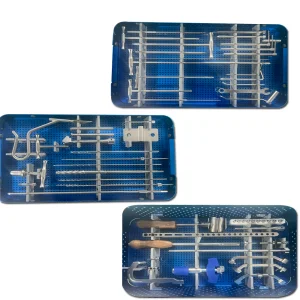
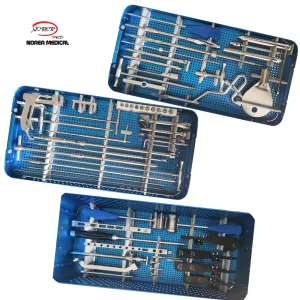
We provide specialized OEM/ODM support for international distributors, tailoring sizing, thread pitches, and instrument configurations to meet local clinical needs and specific regulatory requirements.
Our compression fixation systems are designed to address complex clinical scenarios across diverse medical practices.
In high-impact emergencies, such as traffic accidents or falls, our femoral reconstruction nailing systems and expert tibial interlocking systems provide immediate mechanical stability. They are engineered to bear early axial loads and support patient recovery.
Our headless cannulated compression screws are ideal for delicate operations, including scaphoid fractures, intra-articular fixations, and small-bone osteotomies. They deliver precise compression without leaving protruding screw heads that can irritate adjacent soft tissue.
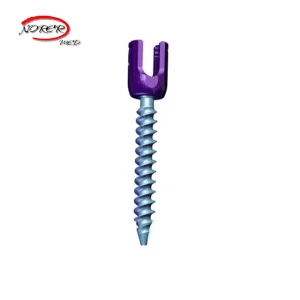
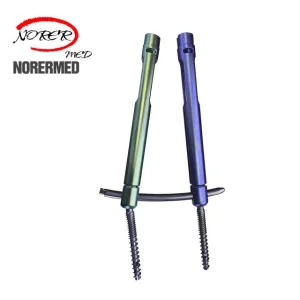
Veterinary clinics globally use our specialized spinal pedicle screws and locking plates to treat large companion animals, working dogs, and equine patients, using the same biocompatibility standards as human implants.
Maka Medical is committed to advancing orthopedic care by developing the next generation of smart fixation implants.
We are exploring magnesium alloys and specialized PEEK polymers designed to slowly degrade after bone healing is complete. This innovation can help eliminate the need for a second surgery to remove implants.
By integrating trabecular metal structures into our implant designs, we aim to accelerate bone ingrowth, creating a strong biological bond between the bone tissue and the prosthetic device.
Our future product designs aim to incorporate micro-sensor arrays within the core of intramedullary nails to provide real-time wireless feedback on bone healing progress and mechanical load distribution.
Get answers to common technical, manufacturing, and commercial questions regarding orthopedic compression implants.
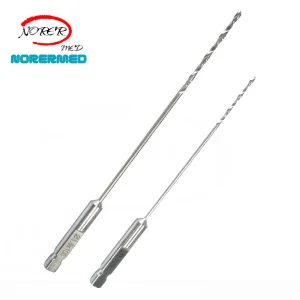
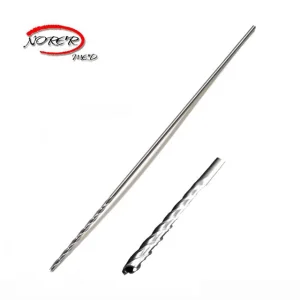
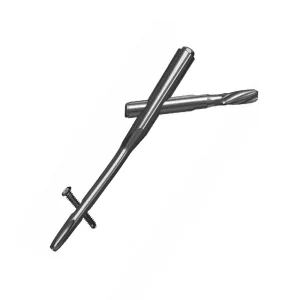
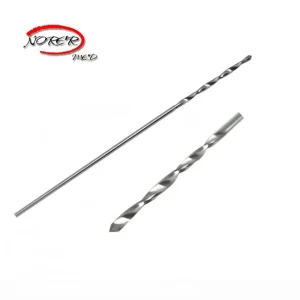
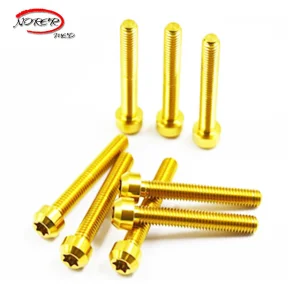
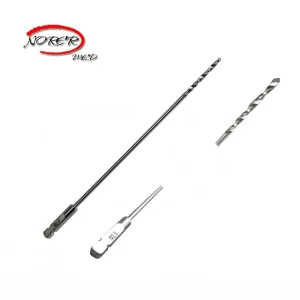
Explore our selection of dynamic locking screws, specialized drills, and spinal fixation rods.
Maka Medical Technology Co., Ltd. is located in Changzhou City, Jiangsu Province, China. We are a specialized manufacturer of orthopedic trauma bone plates, bone screws, orthopedic interlocking nails, spine pedicle screws, cervical plates, PEEK cervical & lumbar cages, and related surgical instruments.
Operating as an experienced manufacturing and trading company, we maintain a dedicated workforce of 11 to 50 professionals. Over the last decade, we have built a reputation for delivering reliable orthopedic products and clinical solutions to our global partners.