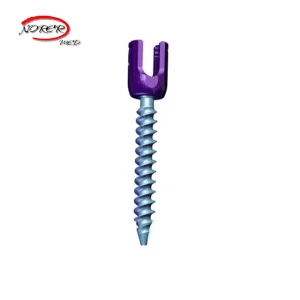
Maka Medical Surgical
Maka Medical Surgical
Maka Medical Surgical
Explore our selection of clinical-grade bone screws, interlocking nails, and spinal reconstruction implants manufactured under strict ISO and CE compliance standards.
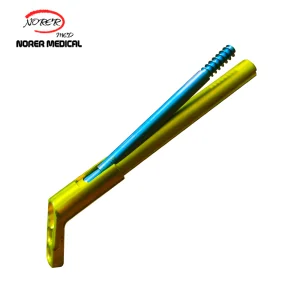
The international healthcare sector is witnessing a major transformation. Traditionally, "wound closure" meant sutures and topical adhesives. Today, in complex orthopedics, trauma reconstructive medicine, and veterinary surgery, the term encompasses the precise internal closure of bone fractures, tissue realignment, and interbody spaces. High-performance wound closure devices, orthopedic implants, and spinal cages serve as the structural framework that facilitates cellular bridging and rapid patient rehabilitation.
As surgical techniques transition toward Minimally Invasive Surgery (MIS), the demand for implant materials that offer high mechanical strength and modulus matching to natural bone has grown. By utilizing medical-grade titanium alloys and PEEK (Polyetheretherketone) biomaterials, manufacturers now provide hardware that minimizes bone resorption while ensuring robust load-bearing stability during critical recovery phases.
A technical evaluation of the mechanical behaviors, biocompatibility profiles, and clinical efficacy of modern surgical implants.
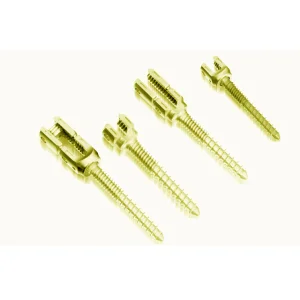
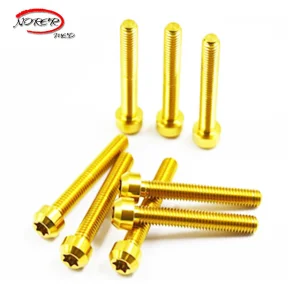
Widely utilized in PFNA interlocking nails, pedicle screws, and cortical locking systems. Our titanium implants conform strictly to ASTM F136 specifications. This provides high tensile strength, exceptional fatigue resistance, and an optimized oxide layer that supports osseointegration.
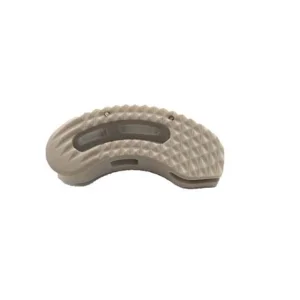
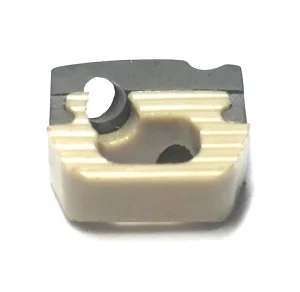
For interbody fusion cages (TLIF & ACIF), PEEK offers an elastic modulus highly similar to human cortical bone. This helps reduce stress shielding. Its radiolucent property allows surgeons to monitor bone growth clearly via X-ray without metal-induced artifacts.
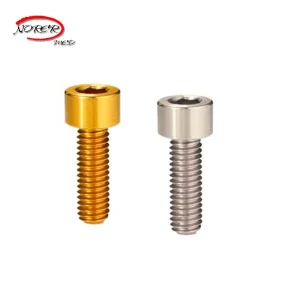
Specialized physical vapor deposition (PVD) coatings and anodic oxidation techniques are applied to enhance wear resistance and minimize ion release. This promotes faster cellular adhesion and soft-tissue adaptation at the surgical interface.
Authentic glimpses into our manufacturing, finishing, and quality assurance processes for medical implants.
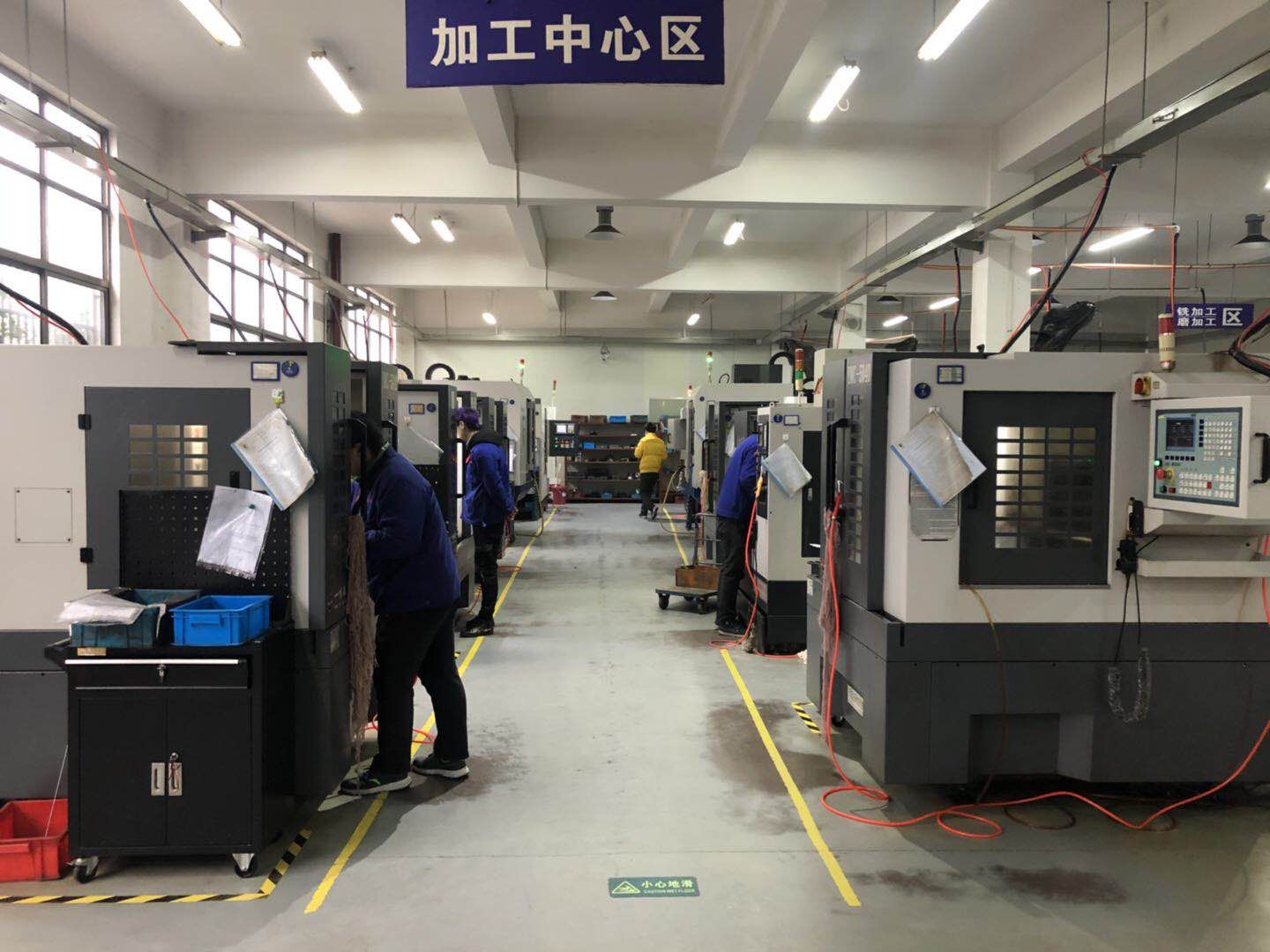
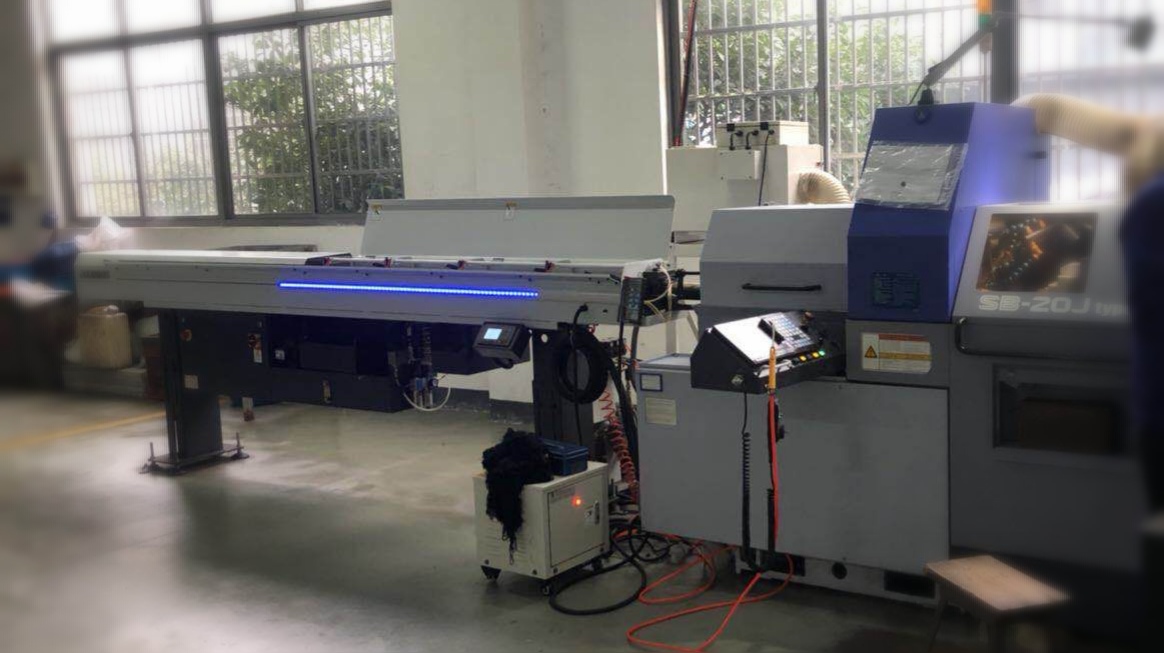
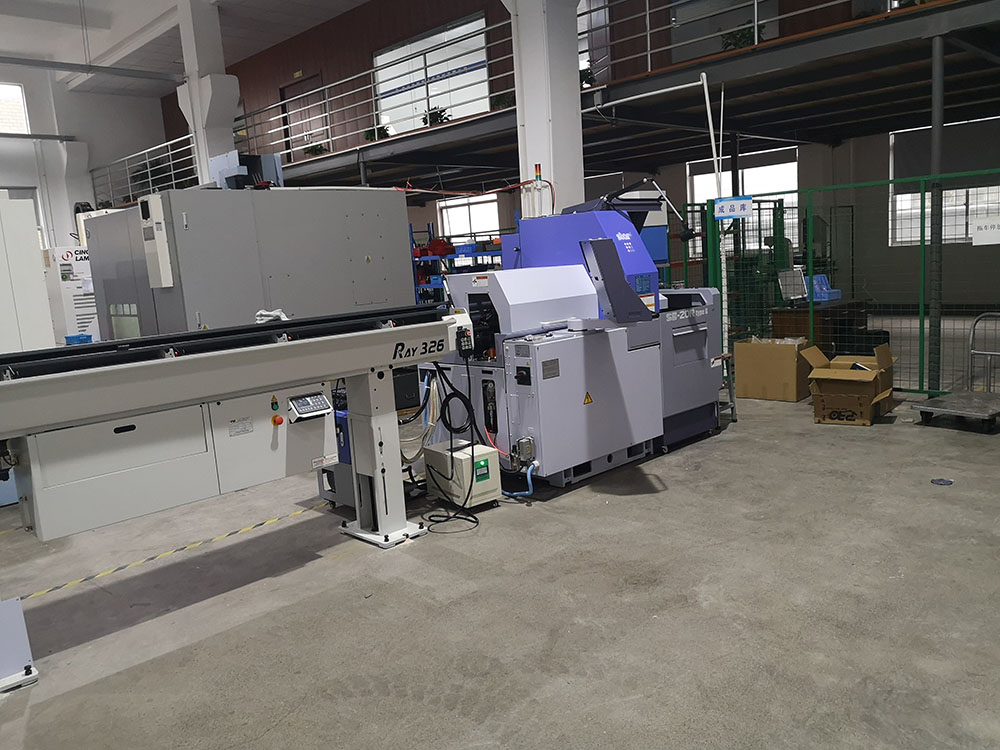
Addressing clinical challenges with precision engineering, advanced manufacturing, and materials research.
Advancements in 5-axis CNC machining centers and direct metal laser sintering (DMLS) now enable cost-effective production of customized bone plates, trauma fixation elements, and specialized spinal cages that adapt to patient-specific anatomical requirements.
As the veterinary orthopedic sector expands, clinical workflows require specialized systems designed for companion animals. We offer scaled-down titanium pedicle screws, PEEK TLIF cages, and interlocking nails engineered to handle the unique biomechanics of animal patients.
Future iterations of wound closure and osteosynthesis devices will integrate bioactive surface modifications. Research is focused on integrating hydroxyapatite (HA) directly into PEEK surfaces to improve bone contact and speed up recovery.
From raw material sourcing to finished, sterilized packaging, we provide stable support for international medical brands.
Every batch of titanium, stainless steel, and PEEK raw material is supplied with certified mill test reports (MTRs) and chemical analysis documentation. This ensures compliance with FDA, MDD/MDR, and regional regulatory frameworks.
Implant designs undergo fatigue, static compression, and shear testing under ASTM and ISO standards (such as ASTM F1717 for spinal implants). This ensures they can withstand physiological loads over long implantation durations.
We offer both bulk unsterile implants for local sterilization and OEM-packaged, Gamma/EtO sterile options, allowing distribution partners to optimize their supply chain logistics.
Answers to key regulatory, metallurgical, and biomechanical questions commonly asked by procurement managers and surgical teams.
Titanium Grade 5 (specifically ELI - Extra Low Interstitial) offers a lower elastic modulus than stainless steel, which helps reduce the effect of stress shielding. It also provides excellent fatigue strength, a high strength-to-weight ratio, and biocompatibility due to its stable, protective oxide film, making it highly suitable for long-term implants like bone plates and pedicle screws.
PEEK has an elastic modulus (approx. 3.6 GPa) that sits between cancellous and cortical bone, which helps distribute mechanical stress more naturally than titanium. Additionally, PEEK is radiolucent, allowing surgeons to evaluate fusion progress on postoperative X-rays without the scattering or artifacts typical of metal implants.
Our production facilities operate under ISO 13485 quality management systems, which are specifically designed for medical devices. We maintain traceability records from raw material sourcing through machining, surface finishing, and quality control steps to support our customers' regulatory filings.
Yes. Veterinary applications require specific dimensions and thread pitches to suit varying animal sizes. We manufacture tailored bone plates, micro-pedicle screws, and veterinary-specific PEEK cages, adjusting dimensions and structural profiles to match the specific physiological requirements of animal patients.
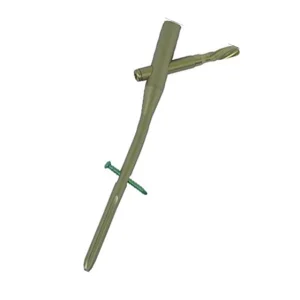
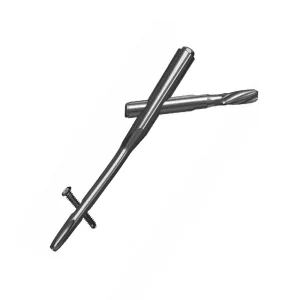
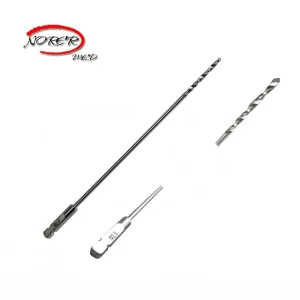
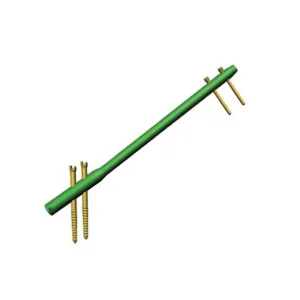
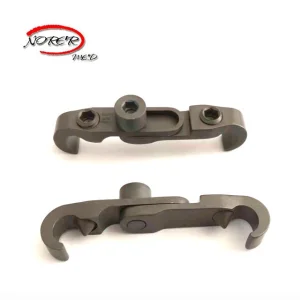
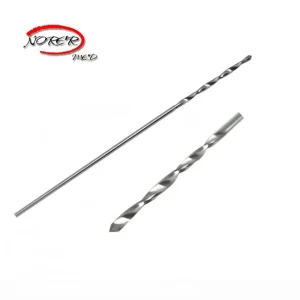
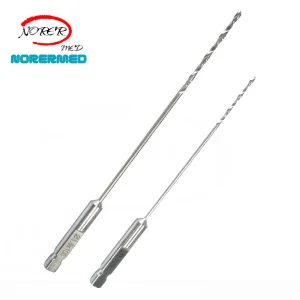
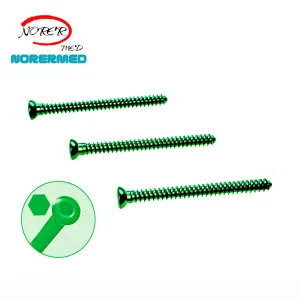
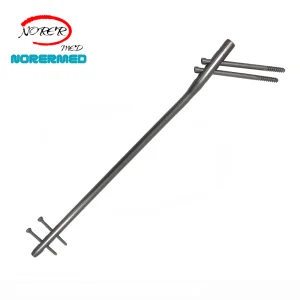
High-precision orthopedic components, including femoral interlocking nails, cervical interbody devices, and sterile-grade surgical drill bits.
Company Name: Maka Medical Technology Co., Ltd.
Location: Changzhou City, Jiangsu Province, China (The center of China's medical orthopedic manufacturing cluster).
About Us: We are a manufacturer of orthopedic trauma bone plates, bone screws, orthopedic interlocking nails, spinal pedicle screws, cervical plates, PEEK cervical & lumbar cages, and related surgical instruments. Over the past decade, we have combined precision CNC manufacturing with strict quality standards to supply durable implant configurations to global trading partners and medical brands.