Maka Medical Surgical
Maka Medical Surgical
Maka Medical Surgical
Explore our elite selection of orthopedic implants, surgical instruments, and micro-precision medical components designed to meet strict regulatory and biocompatibility metrics.
The global healthcare sector demands absolute fidelity in clinical performance. When hospital procurement boards, biomed departments, and distribution networks source critical patient care apparatuses like infusion pumps, they do not just buy a physical shell. They purchase accuracy, regulatory safety compliance, firmware reliability, and precision fluidics engineering. The manufacturing complexity of volumetric and syringe pumps mirrors the exact high-precision tolerances required in implantable orthopedic hardware and surgical instruments.
For instance, the micro-stepper motors, occlusion sensor brackets, and peristaltic rotor assemblies inside a modern smart infusion system require machining tolerances below 5 micrometers. This is the exact technological nexus where Chinese medical manufacturers have capitalized on their advanced metallurgical expertise, high-speed multi-axis CNC tooling, and cleanroom packaging capabilities to serve global markets. By bridging the gap between mechanical tolerances and clinical software safety, China-based OEM/ODM suppliers now offer robust global alternatives to legacy European and North American brands.
Evaluating an infusion pump supplier requires assessing the alignment of physical mechanical precision (such as valve, casing, and motor housing assembly) with advanced electronic control systems. High-end manufacturing facilities leveraging titanium and surgical-grade stainless steel machining technologies offer a superior baseline of reliability for long-term electromechanical medical device production.
Infusion pumps are classified under Class IIb (EU MDR) and Class II (US FDA) medical devices, indicating a medium-to-high risk profile due to their contact with systemic circulation and delivery of high-alert medications (e.g., insulin, vasoactive drugs, chemotherapeutic agents). A reliable infusion pump system depends on distinct architectural systems:
Dual-microprocessor control keeps flow rate deviations under ±2% for syringes and ±5% for general IV sets.
Integrated ultrasonic air-bubble detectors and high-sensitivity pressure sensors prevent air embolism and line occlusions.
HL7 integration capability via embedded Wi-Fi modules supports connection to Hospital Information Systems (HIS) and EMR.
Procurement agencies and hospital groups sourcing from China face complex decisions around price, quality, and regulatory compliance. Understanding the structural layers of Chinese manufacturers is essential for successful sourcing:
The infusion pump industry is shifting away from isolated bedside units toward integrated, intelligent therapeutic ecosystems. Understanding the direction of clinical fluidics helps buyers prepare their current capital investments for future demands:
Purchasing high-precision medical machinery represents only the initial phase of the product lifecycle. The critical differentiator for successful procurement projects is the post-sale service and support infrastructure. Experienced Chinese suppliers establish localized service nodes or partner with regional biomedical engineering groups to provide:
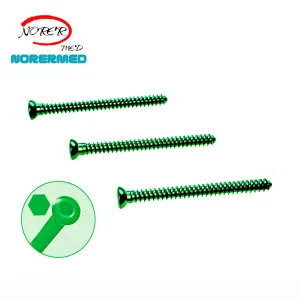
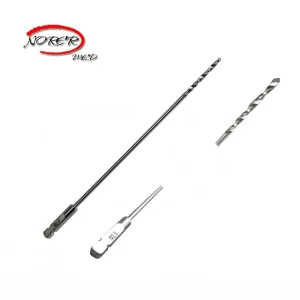
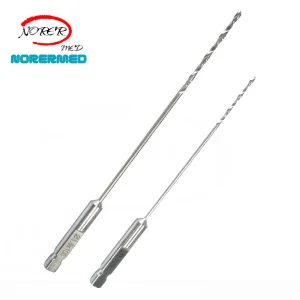
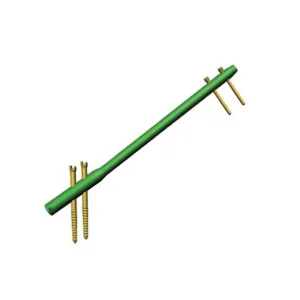
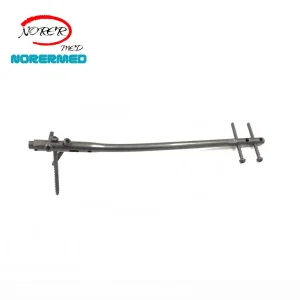
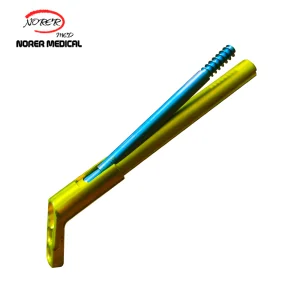
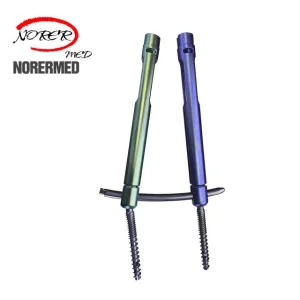
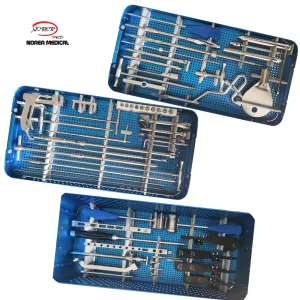
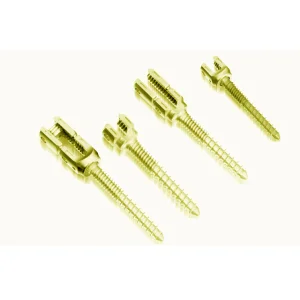
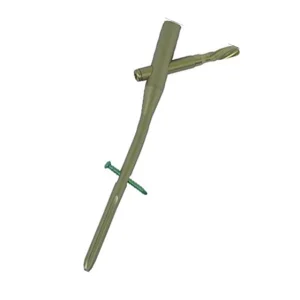
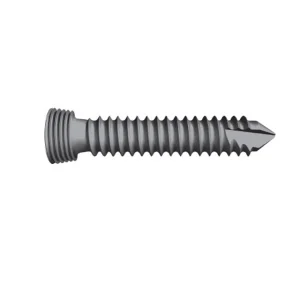
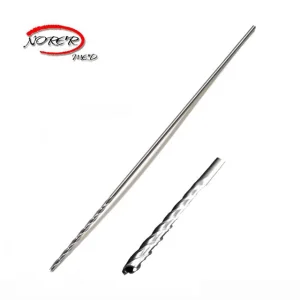
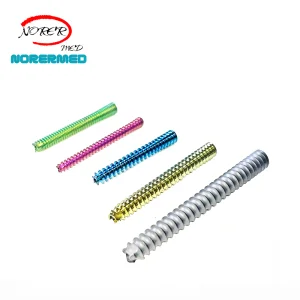
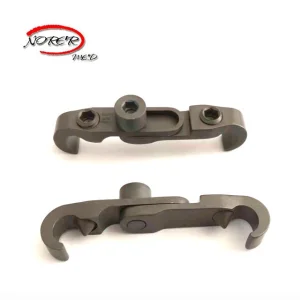
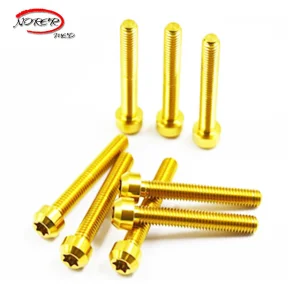
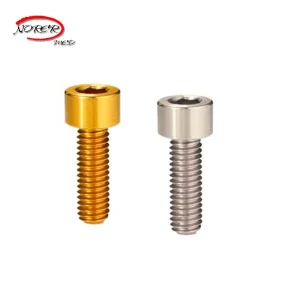
Additional high-grade medical implants, locking screw systems, and surgical drill bits manufactured under strict medical quality systems.
Bridging metallurgical perfection with advanced medical device fabrication to supply global markets with clinical-grade equipment.
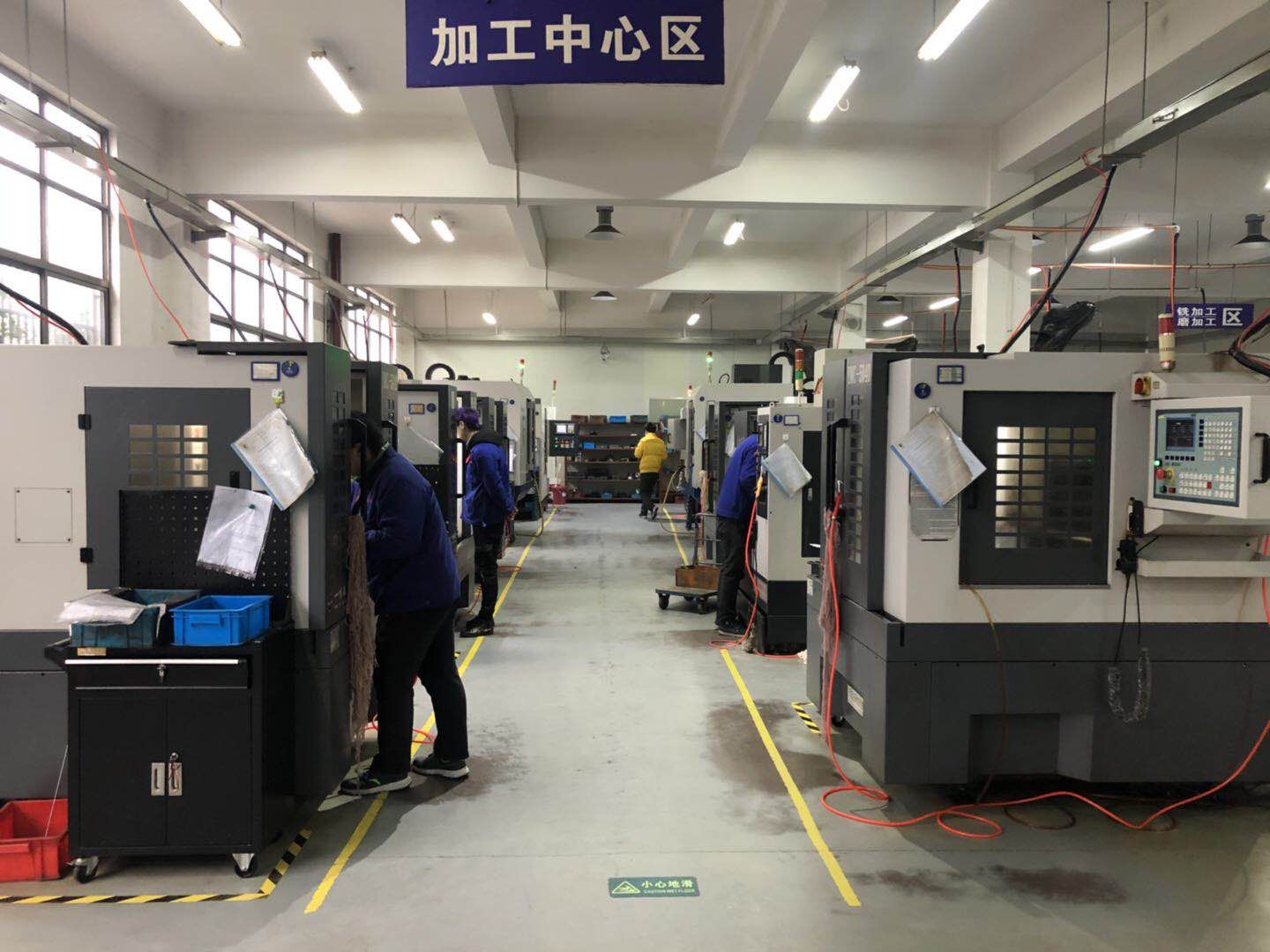
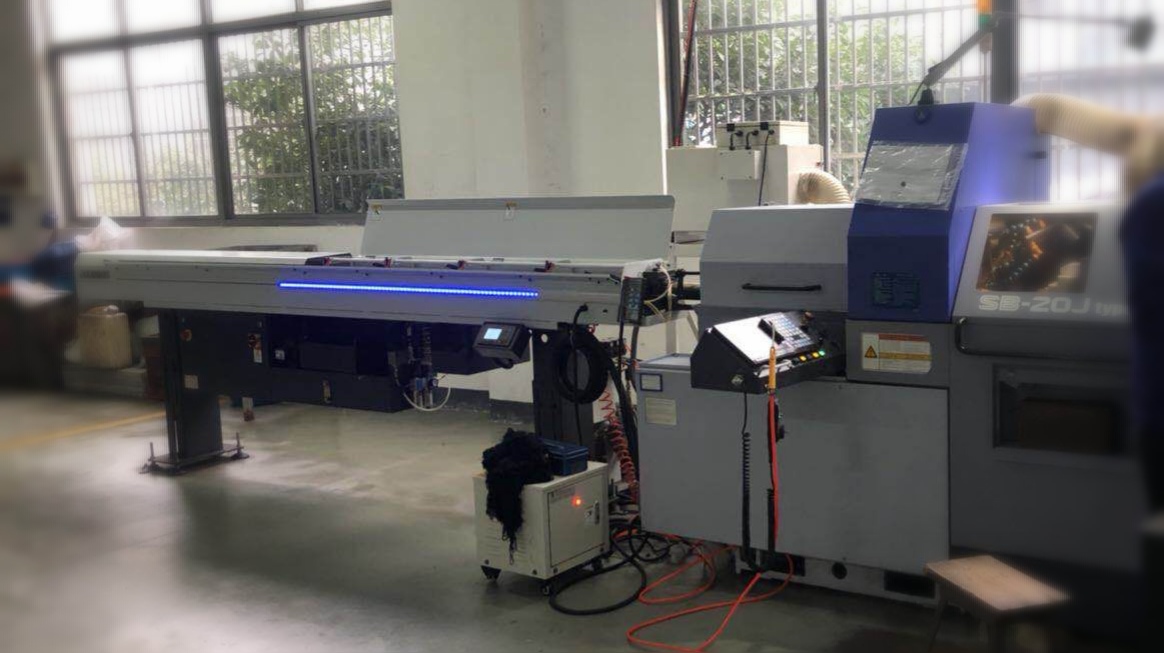
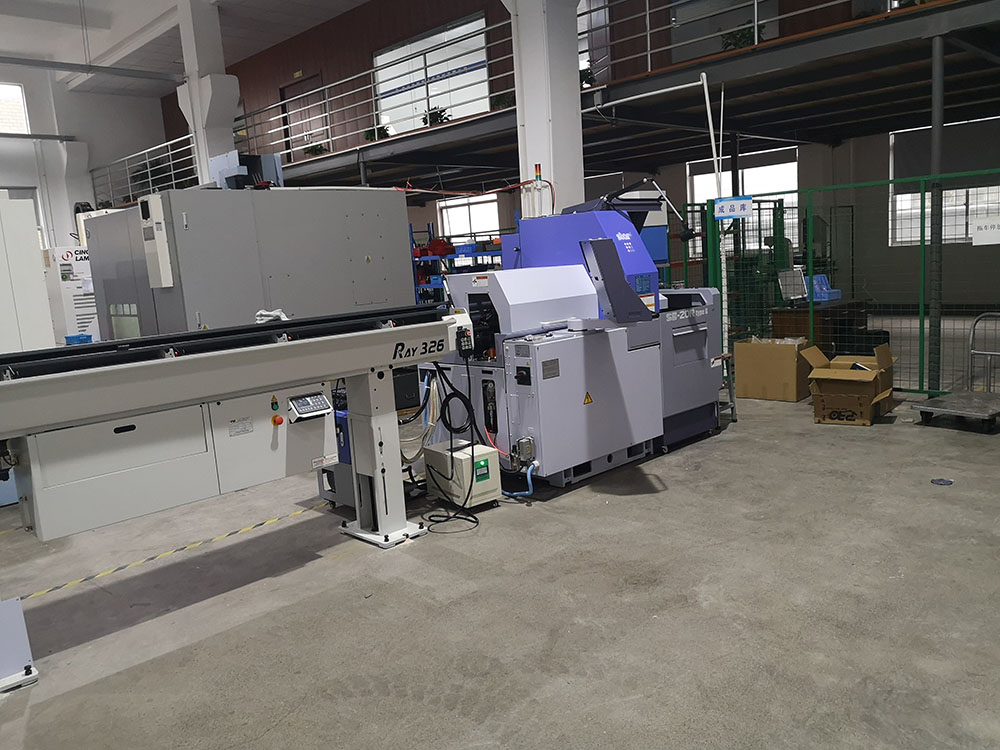
Maka Medical Technology Co., Ltd. is a leading medical hardware and precision implant manufacturer based in Changzhou city, China. Our facilities specialize in complex CNC tooling, high-precision machining, and sterile medical packaging. We produce orthopedic trauma bone plates, bone screws, interlocking nails, spinal pedicle screws, cervical plates, and PEEK cervical/lumbar cages.
Our expertise in processing high-tolerance biocompatible metals (such as medical-grade titanium alloys and ultra-high-density polymers) underpins our precision OEM partnerships. The strict quality assurance systems and micron-level tolerances we maintain in our orthopedic lines are applied across our medical manufacturing collaborations, ensuring that all components meet international clinical safety standards.
Get authoritative answers on regulatory requirements, calibration steps, and hardware customization options for medical fluid systems.