Maka Medical Surgical
Maka Medical Surgical
Maka Medical Surgical
Discover our leading selection of orthopedic hardware, including spinal fixation systems, veterinary implants, compression screws, and tibial interlocking systems.
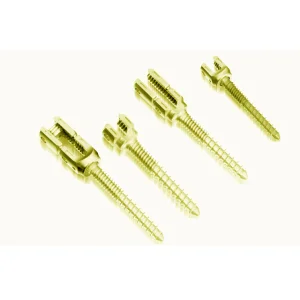
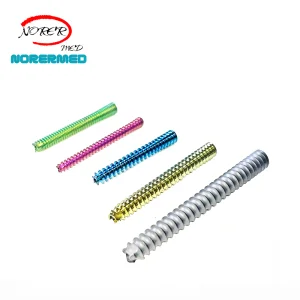
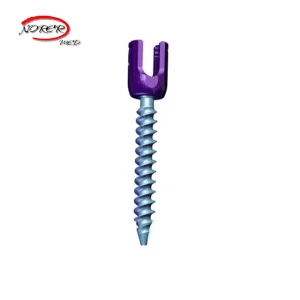
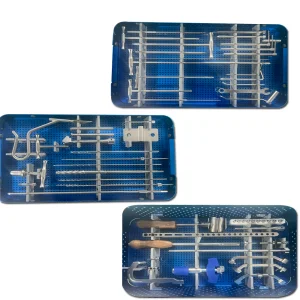
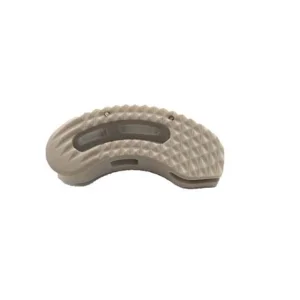
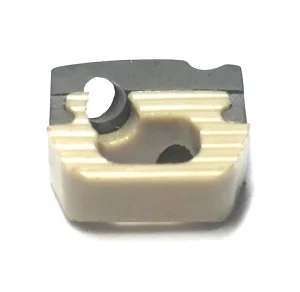
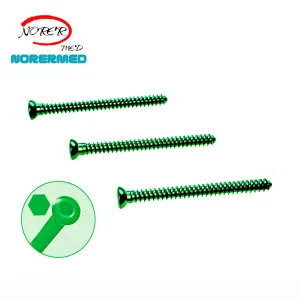
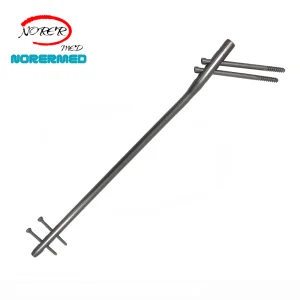
External fixation devices have transitioned from emergency stabilization tools to highly sophisticated biological mechanical devices. Originally designed by pioneers like Martin Kirschner and Gavriil Ilizarov, modern external fixators are central to orthopedic science, limb reconstruction, and deformity correction. In the modern era, treatment methodologies prioritize biological osteogenesis, seeking structural designs that promote minimal soft tissue damage while offering optimized mechanical stability.
Key developments shaping the global external fixation landscape include:
Procuring medical-grade external fixators and orthopedic hardware demands strict adherence to rigorous quality frameworks. Global procurement teams—representing large hospital networks, governmental defense ministries, international distributors, and veterinary clinics—evaluate manufacturers based on quality systems, regulatory certifications, and technological reliability.
International supply systems require medical hardware to align with strict regulatory baselines:
| Region / Market | Required Certification | Core Compliance Focus |
|---|---|---|
| European Union (EU) | MDR 2017/745 / CE Mark | Post-market surveillance, rigorous clinical evaluation, traceablity of biomaterials. |
| United States (US) | FDA 510(k) Clearance | Demonstrable substantial equivalence to established predicate devices, rigorous biomechanical testing. |
| Global Operations | ISO 13485 | Strict compliance of Quality Management Systems (QMS) tailored to medical device production. |
| Veterinary Sector | GMP / ISO 9001 | Material certification (e.g., medical-grade PEEK and Titanium) ensuring long-term biocompatibility. |
Furthermore, procurement trends show a clear pivot towards ready-to-use, sterile single-use kits. These kits decrease the logistical burden of cleaning, sterilizing, and tracking reusable implant systems in hospital systems, minimizing cross-contamination risks while maximizing operational efficiency in emergency orthopedic scenarios.
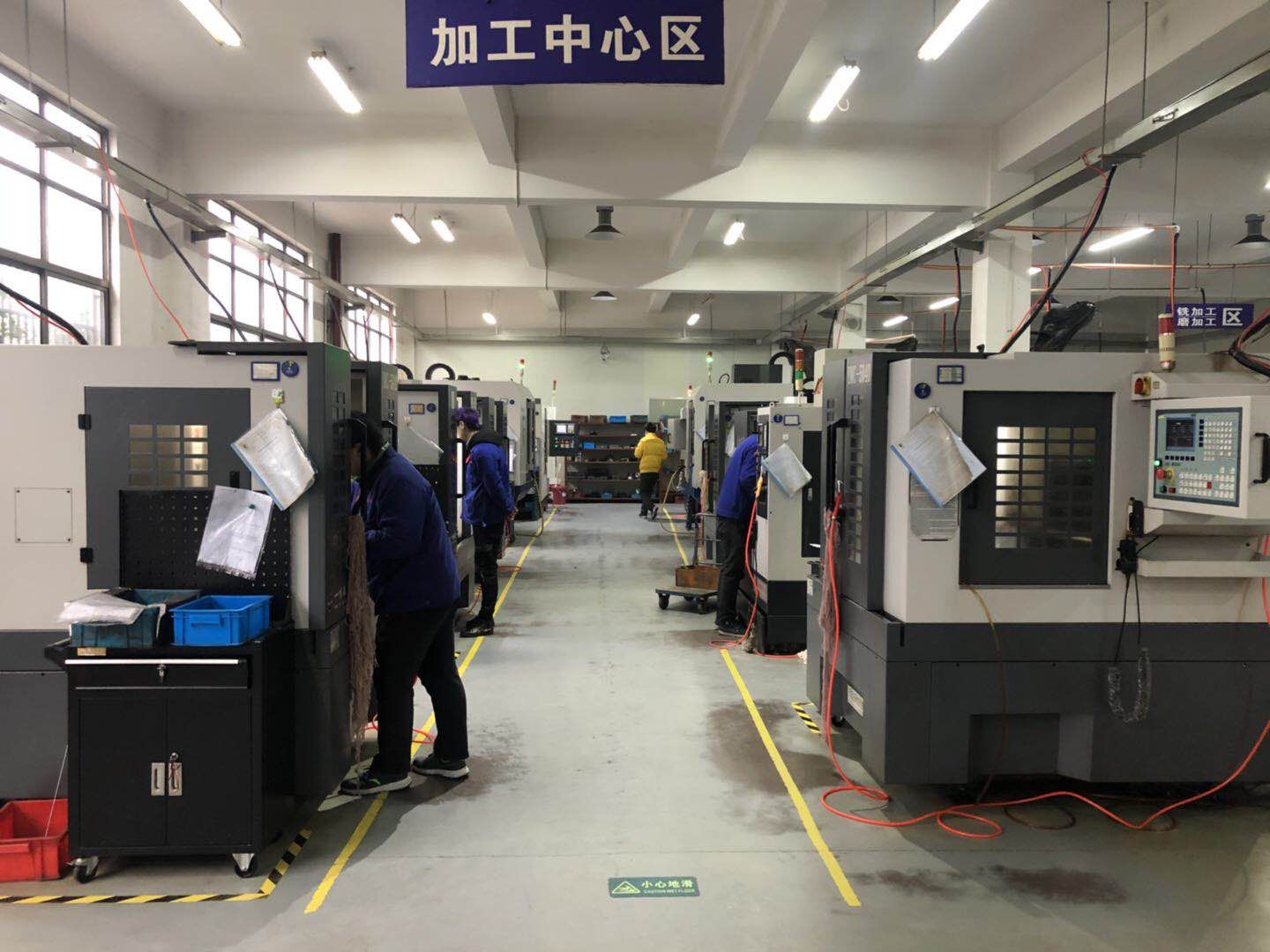
The city of Changzhou, located in Jiangsu Province, represents the absolute center of China's medical manufacturing industry. Modern facilities like Maka Medical Technology Co., Ltd. represent the integration of Industry 4.0 paradigms into biomedical production. With sophisticated raw material channels, high-efficiency production technologies, and automated inspection pipelines, China-based manufacturers deliver unmatched cost efficiencies without compromising on micro-millimeter quality tolerances.
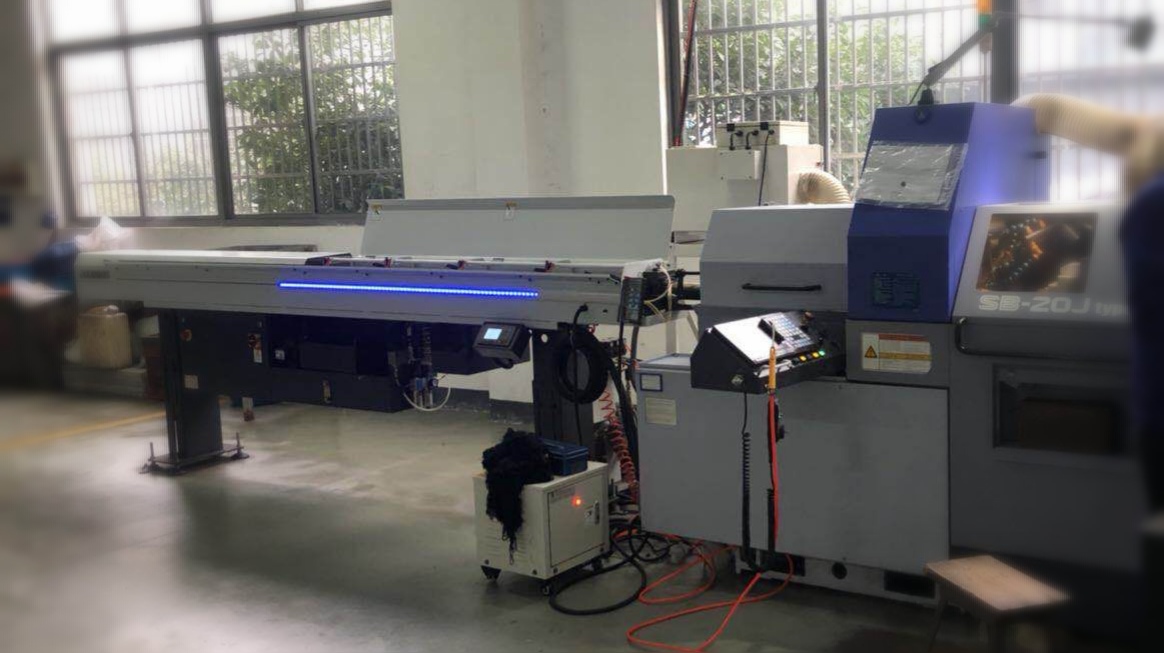
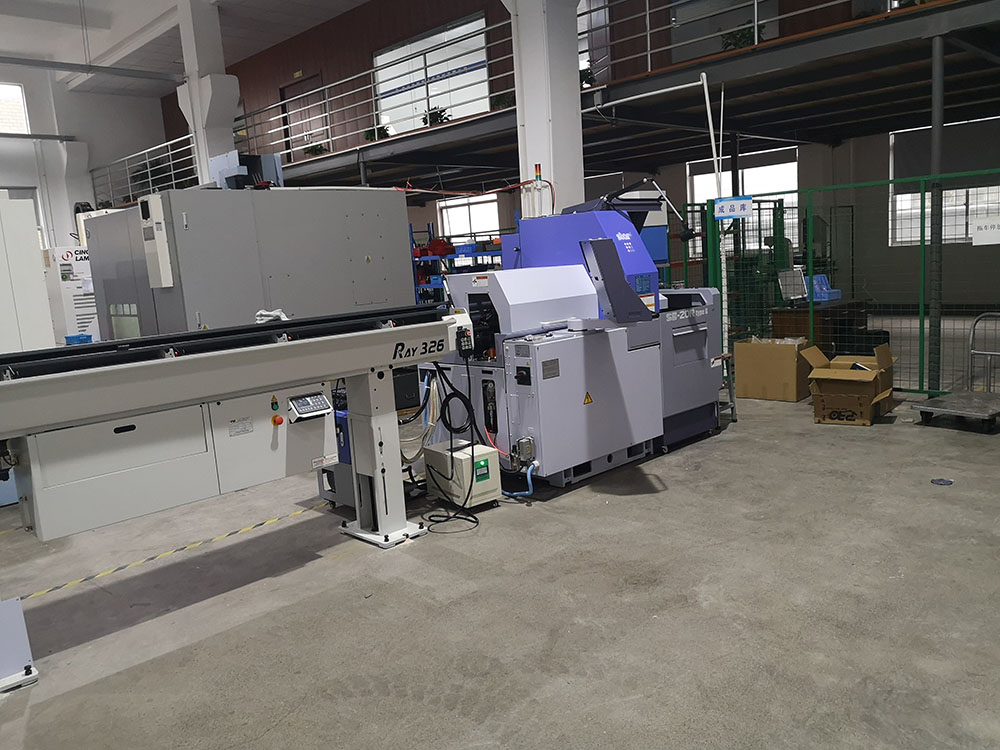
Deployment of multi-axis CNC Swiss-type lathes and ultra-precision milling machinery. This guarantees manufacturing tolerances within ±5 microns for pediatric bone plates, locking screws, and spinal pedicle pins.
Sourcing and processing of premium biocompatible elements, including Ti-6Al-4V ELI, biocompatible PEEK (Polyetheretherketone), and carbon fiber polymers to optimize implant durability and radiolucency.
Localized industrial clustering enables rapid turnarounds. All processes—including high-precision machining, chemical passivation, cleanroom packaging, and sterilization—are executed within a streamlined regional footprint.
Through continuous innovation in product design, Maka Medical delivers premium implants that match international design specifications. By maintaining local manufacturing control over complex processes like titanium anodizing, bead blasting, and cleanroom assembly, we ensure that every interlocking nail, compression screw, and external fixator complies with critical biomedical standards.
The choice of orthopedic external fixator configuration is closely linked to the target clinical environment:
In acute high-energy trauma settings, the primary objective is rapid bony stabilization to control localized bleeding and reduce systemic inflammation. In these scenarios, modular external fixators allow rapid assembly, enabling trauma surgeons to achieve immediate reduction and stable bone alignment in minutes. This buys time for patient stabilization before secondary definitive internal fixation (such as interlocking nails or anatomic bone plates) can be safely performed.
For severe bone defects, malunions, and congenital limb discrepancies, circular ring fixators (incorporating fine tensioned transfixion wires) provide unmatched stability. These devices allow controlled, incremental bone transport along defined vectors, utilizing the body's natural distraction osteogenesis capabilities to regenerate bone and reconstruct healthy functional limbs.
With the rising humanization of companion animals, veterinary orthopedics has experienced rapid growth. High-strength veterinary external fixators, miniature pedicle screws, and locking PEEK cages are custom-scaled to accommodate diverse animal anatomies. These systems provide high mechanical strength to handle unpredictable load distributions during post-surgical recovery in dogs, cats, and exotic animals.
Essential answers to key questions surrounding regulatory compliance, material selections, customization, and lead times.
Explore our range of orthopedic fixation solutions, precision titanium interlocking nails, and medical-grade manufacturing services.