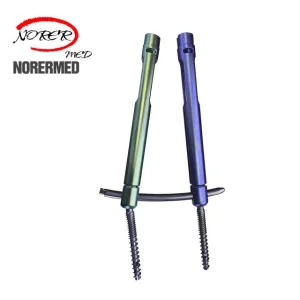
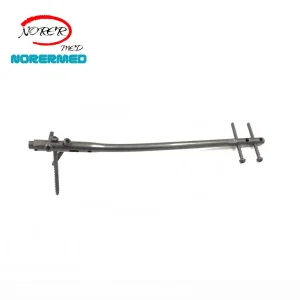
Maka Medical Surgical
Maka Medical Surgical
Maka Medical Surgical
Explore our top-tier precision implants and instruments engineered for human and veterinary applications.
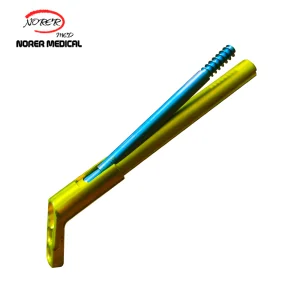
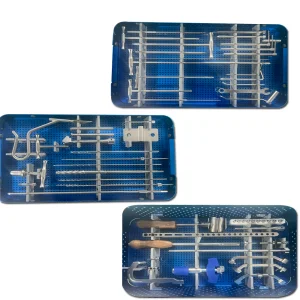
A comprehensive analysis of surgical instrumentation, raw materials, and the integration of electrosurgical and orthopedic systems.
Modern surgical environments require an unprecedented level of integration between mechanical fixation devices and energy-based surgical tools. Electrosurgical devices, which utilize high-frequency electrical currents to cut tissue and coagulate blood, have become standard in almost every operating room worldwide. At the same time, the field of orthopedics has seen a shift toward minimally invasive surgeries (MIS) and bio-stable implants. As a result, the synergy between electrosurgical generators, patient return electrodes, active accessories, and orthopedic implants has grown crucial.
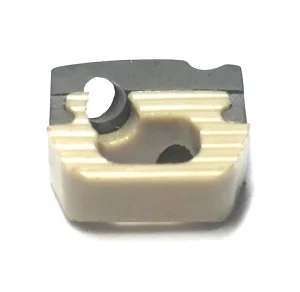
Leading suppliers are transitioning from basic manufacturers to comprehensive solution partners. By incorporating advanced metallurgical alloys and biocompatible plastics, such as Grade 5 Titanium (Ti-6Al-4V ELI) and Polyetheretherketone (PEEK), companies like Maka Medical Technology ensure that clinical implants do not interfere with active high-frequency surgical currents. This reduces the risk of thermal injury or galvanic corrosion, establishing a safer environment for patients during complex spinal and joint reconstructions.
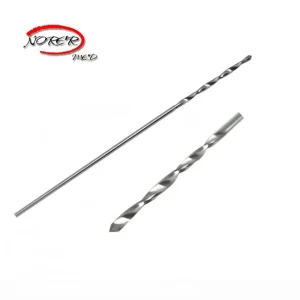
B2B medical procurement requires strict compliance with international regulatory bodies. Whether importing specialized electrosurgical instruments, cannulated drill bits, or interlocking spinal screws, global distributors prioritize manufacturers that offer clear traceability.
Strict conformance to ISO 10993 standards ensures materials interact safely with human tissue without triggering systemic toxicity.
Adherence to CE MDR and ISO 13485 quality systems ensures every product batch meets the requirements of complex global markets.
Fatigue and pull-out tests confirm that pedicle screws and bone plates can withstand physiological loads over long periods.
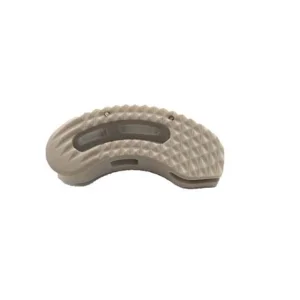
Additionally, the rapid growth of the veterinary orthopedic market has introduced new sourcing requirements. Veterinarians now demand human-grade materials—such as PEEK ACIF/TLIF cages and titanium locking screws—specifically scaled for small animal anatomy. Standardizing production lines for both human and veterinary applications helps manufacturers reduce unit costs while maintaining clinical-grade quality across all product lines.
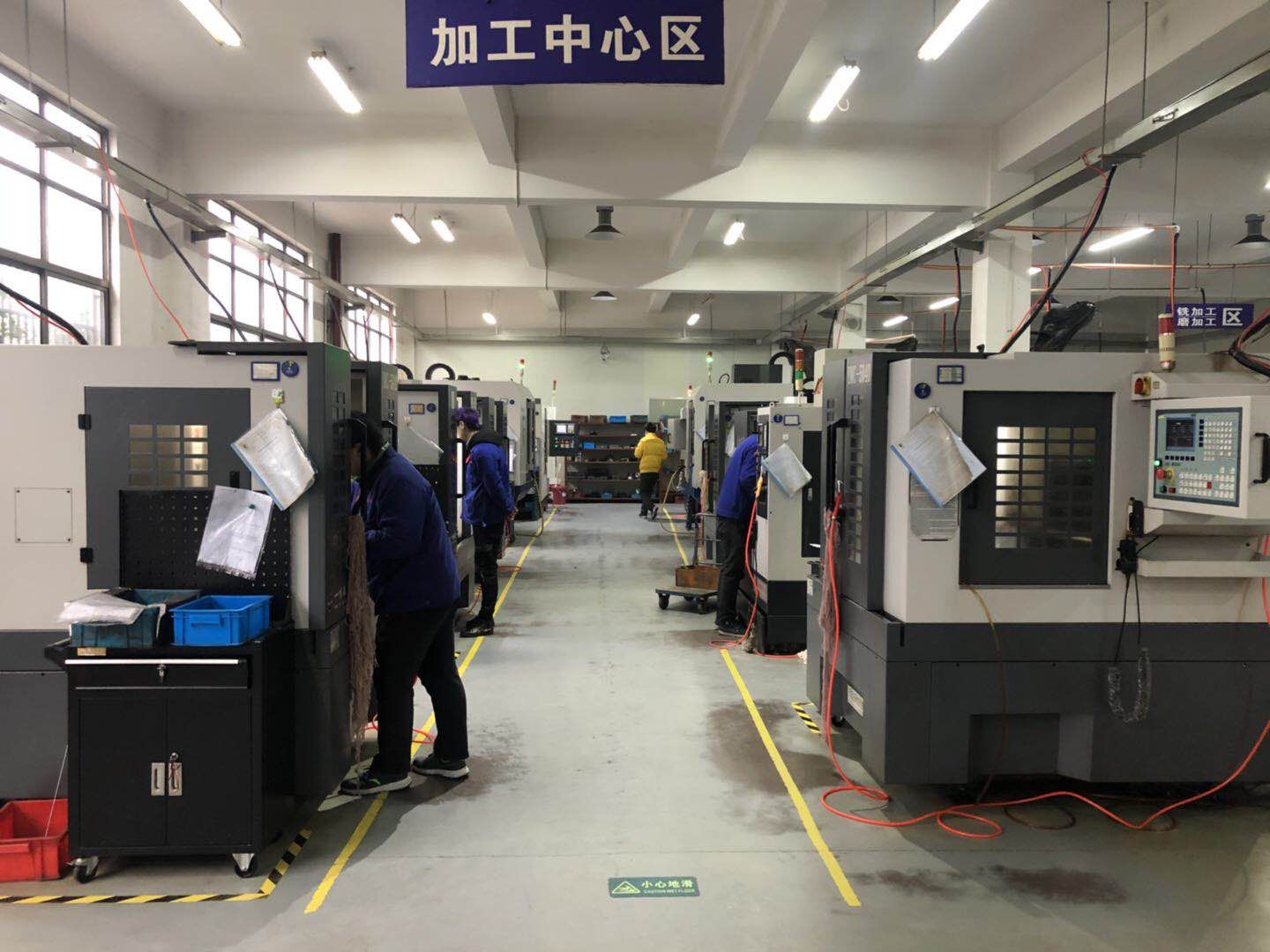
Changzhou, located in Jiangsu Province, is one of China's most prominent clusters for high-precision medical device manufacturing. Maka Medical Technology utilizes this ecosystem to combine high-speed CNC machining, automated inspection, and raw material sourcing into a single, efficient workflow.
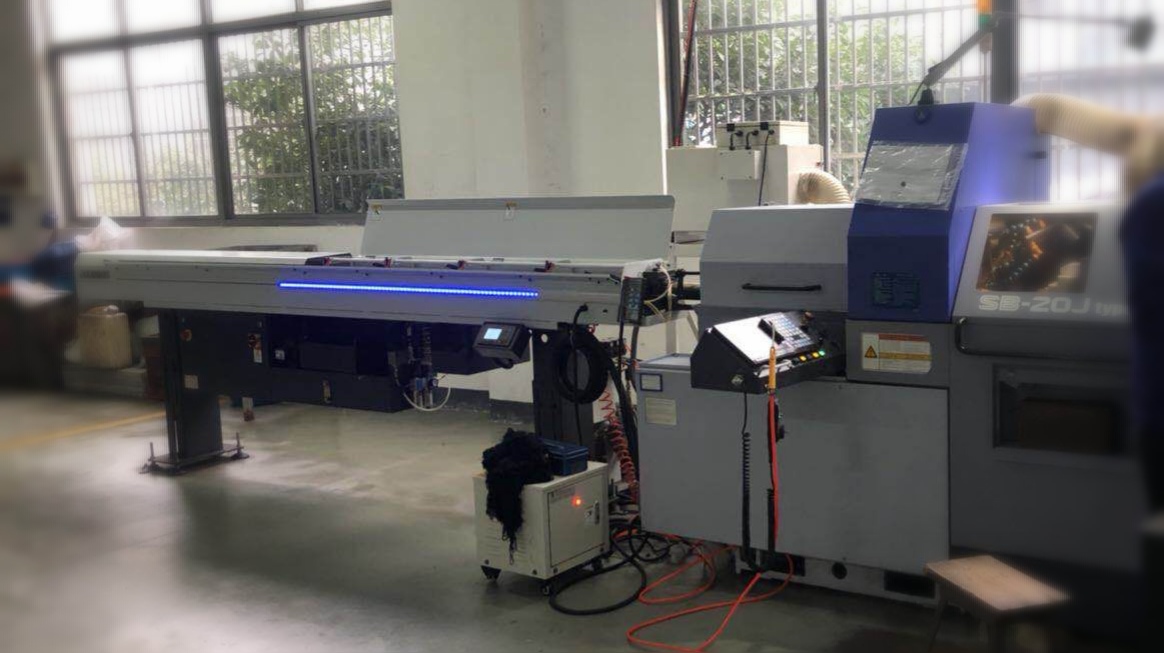
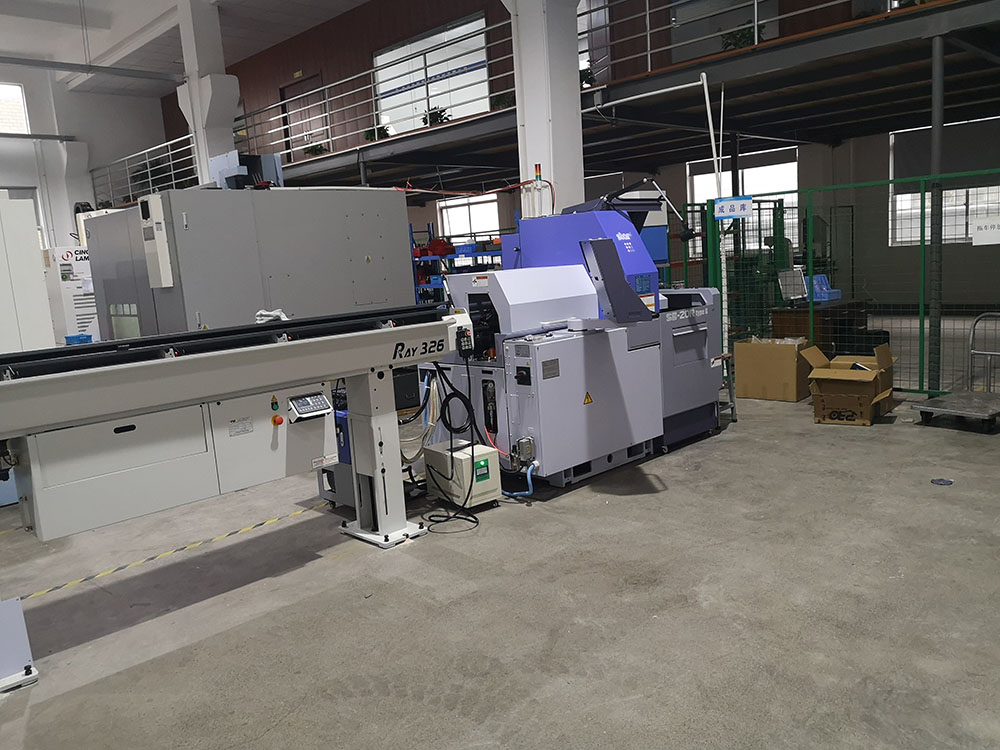
Our Industry 4.0 production features Swiss-type sliding head lathes capable of machining micro-screws with tolerances as tight as ±3 microns. This precision is essential for cannulated compression screws used in delicate hand, foot, and ankle surgeries. Additionally, our automated anodization lines allow us to color-code orthopedic implants (such as locking plates and tibial nails). This helps surgical staff quickly identify sizes and configurations during procedures, improving operating room efficiency.
Empowering clinics and distributors worldwide with precision-engineered surgical hardware.
In modern reconstruction, the choice of material directly affects long-term patient outcomes. Maka Medical utilizes medical-grade alloys and biocompatible polymers to match specific mechanical demands:
Our ISO-certified manufacturing process integrates multi-stage cleaning, optical measurement, and strict quality control to ensure every implant meets the highest clinical standards before export.
Designed for operating room reliability, compatibility, and long-term implant stability.
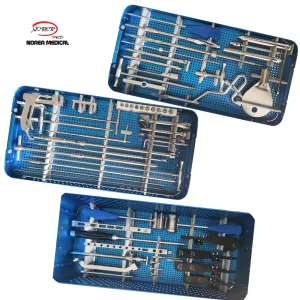
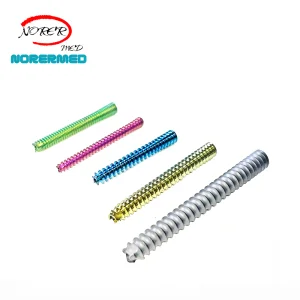
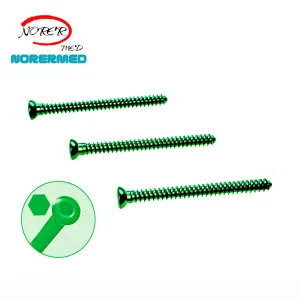
Certified Orthopedic trauma and Spinal Stabilization Implant Manufacturer
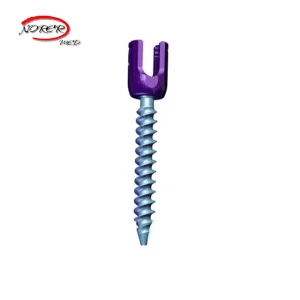
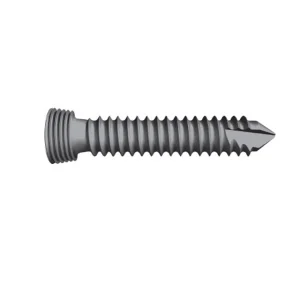
Located in Changzhou, Jiangsu Province, China, Maka Medical Technology Co., Ltd. specializes in manufacturing premium surgical implants. Our range includes orthopedic trauma plates, cortical and locking bone screws, spine pedicle screws, and PEEK interbody fusion cages. Using advanced materials and high-precision CNC machinery, we deliver reliable solutions to medical and veterinary markets worldwide.
Trading Company & Partner Manufacturer
Changzhou City, Jiangsu Province, China
10 Years Active Export
11 - 50 Professional Employees