Maka Medical Surgical
Maka Medical Surgical
Maka Medical Surgical
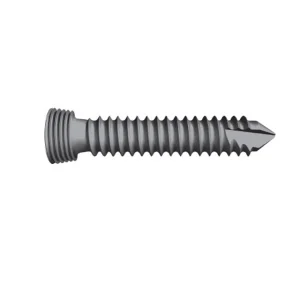
Explore our state-of-the-art trauma fixation solutions, high-grade titanium implants, and orthopedic instruments designed for maximum biocompatibility and clinical success.
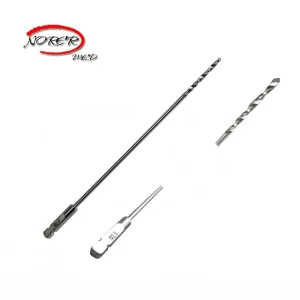
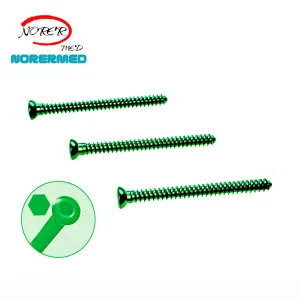
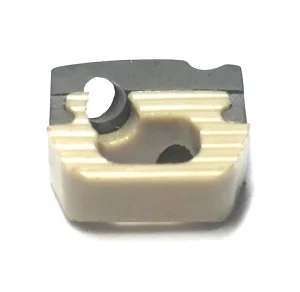
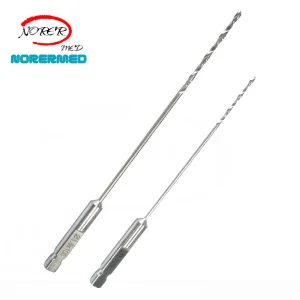
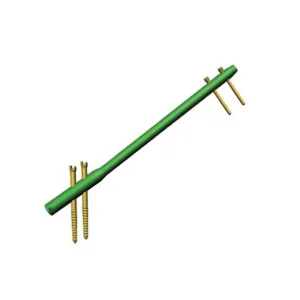
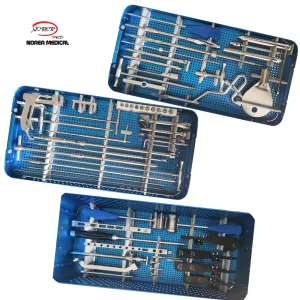
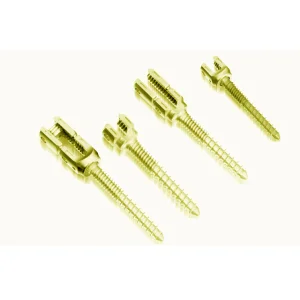
For decades, permanent metal implants—primarily constructed from titanium alloys and surgical-grade stainless steel—have served as the gold standard for stabilizing bone fractures and structural defects. However, permanent fixation comes with inherent clinical limitations. Long-term implant stress-shielding, metal ion release, localized foreign-body reactions, and the frequent clinical necessity for a painful secondary removal surgery are major challenges in orthopedic patient care.
This has driven the biomedical industry toward a paradigm shift: Bioresorbable Scaffolds (BRS). These transient biomedical devices provide temporary mechanical support during the critical phases of bone or tissue healing. Once the host tissue achieves structural integrity, the scaffold undergoes controlled degradation into harmless metabolic byproducts (such as water and carbon dioxide), leaving no foreign material inside the body.
Developing reliable biodegradable implants requires highly precise coordination of polymer chemistry, degradation physics, and biological interaction.
Poly-L-lactic acid (PLLA) and Poly(lactic-co-glycolic acid) (PLGA) are the cornerstones of polymeric scaffolds. PLLA provides excellent long-term tensile strength, degrading slowly via ester bond hydrolysis over 12 to 24 months. PLGA allows tunable degradation profiles by adjusting the ratio of lactide to glycolide, tailoring mass loss to match specific bone consolidation rates.
To enhance osteoconductivity, advanced matrices incorporate bioactive ceramic microparticles such as Beta-Tricalcium Phosphate (β-TCP) or Hydroxyapatite (HA). These mineral fillers act as buffering agents, neutralizing acidic degradation byproducts, and provide local calcium and phosphate ions to accelerate bone mineral deposition.
Addressing the mechanical limits of polymers, absorbable metals represent the cutting edge. Magnesium-based (Mg) alloys offer mechanical properties close to natural cortical bone. Using precision micro-alloying and surface modification (fluoridation, plasma electrolytic oxidation), we control degradation rates and prevent rapid hydrogen gas evolution.
Future roadmaps focus on patient-specific, 3D-printed scaffolds loaded with osteoinductive growth factors (BMP-2) or localized anti-inflammatory agents. These next-generation designs feature optimized pore sizes (100–500 μm) and interconnectivity, facilitating micro-vascularization and rapid cellular migration.
Tailored structural designs matching the anatomical and biological requirements of different surgical disciplines.
Targeted solutions for low-load bone fractures, including phalangeal, metacarpal, and clavicular fractures. Biodegradable compression pins and micro-screws secure alignment, then safely degrade as callus formation consolidates the bone structure.
Corrective pediatric surgeries demand fixation systems that do not restrict natural skull and facial growth. Bioresorbable plates and screws degrade predictably, eliminating the risk of implant transcranial migration and developmental restriction.
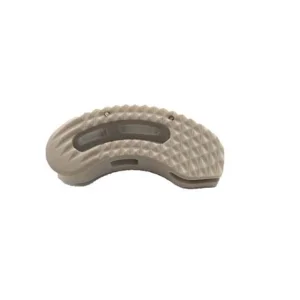
Integrating bioresorbable architectures into cages (like PEEK and PLA composites) supports the anterior spinal column during bone fusion, maintaining disc space height before gradually remodeling into a fully fused bone column.
The manufacturing of bioresorbable implants requires exceptional control over production environments. China's advanced medical manufacturing hubs, particularly in regions like Jiangsu (Changzhou), combine modern machinery with integrated industrial supply chains.
Our production facilities implement Smart Factory 4.0 standards. Polymer processing, high-precision micro-injection molding, and ultra-precision CNC milling are carried out in strictly monitored Class 10,000 (ISO Class 7) cleanrooms. This prevents external particulate contamination and micro-moisture absorption, which could cause premature polymer degradation during storage.
Through robust raw material sourcing, automated quality testing, and validated sterilization processes (such as Ethylene Oxide and Low-Temperature Gas Plasma), Chinese manufacturing offers high clinical reliability and cost efficiency, helping medical device brands worldwide maintain a steady supply.
Company Description: We are located in Changzhou city, CHINA. We are an Orthopedic Trauma bone plate, bone screw, orthopedic Interlocking nail, orthopedic spine pedicle screw, Cervical Plate, PEEK cervical & lumbar cage and related equipment manufacturer.
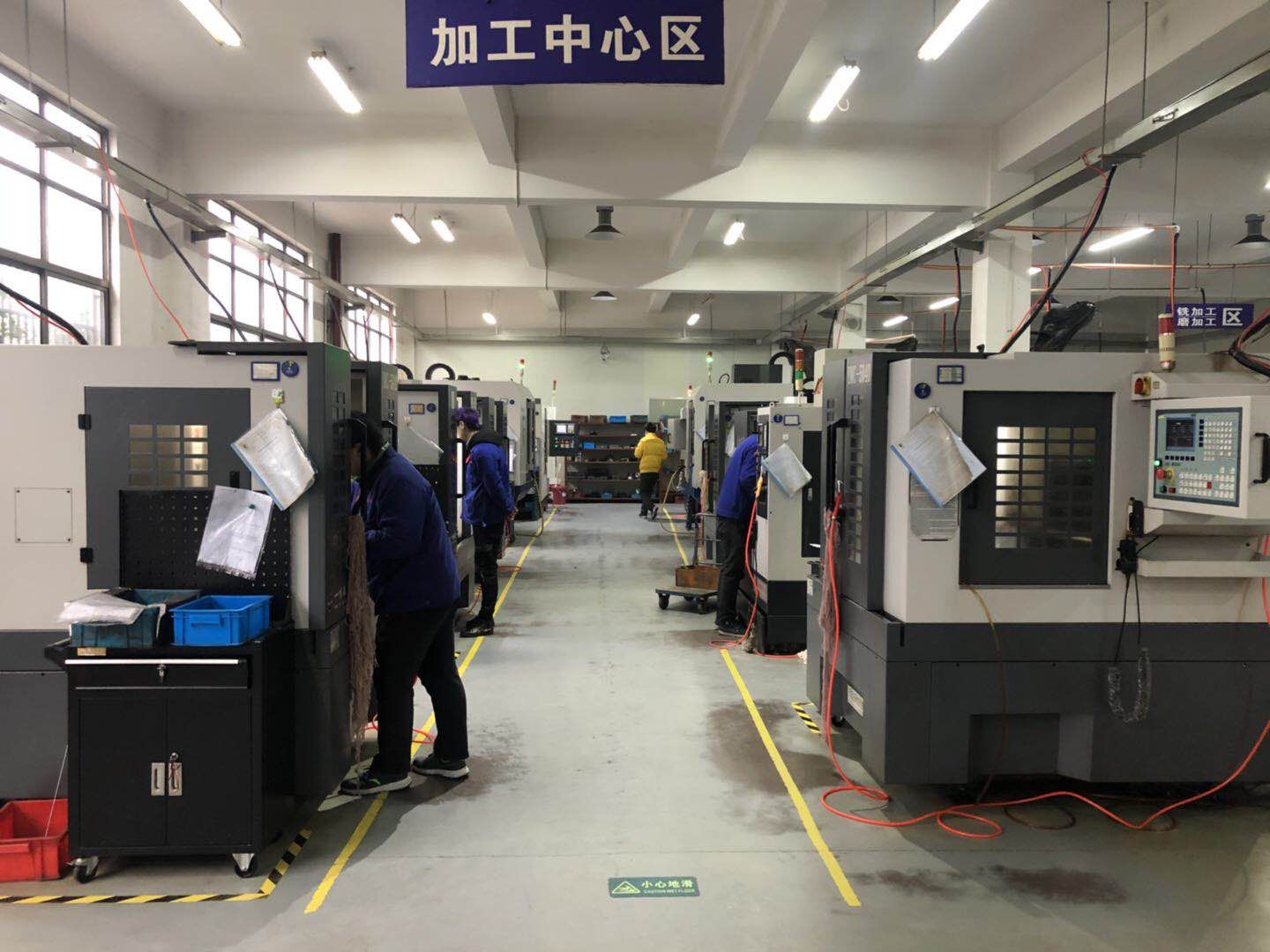
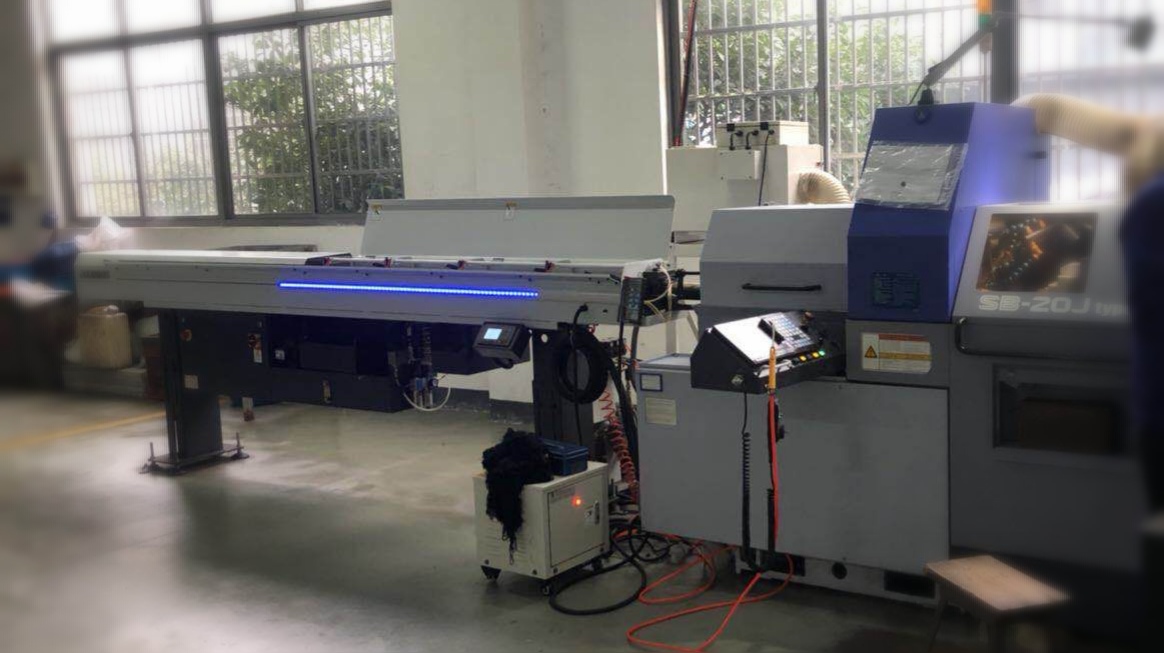
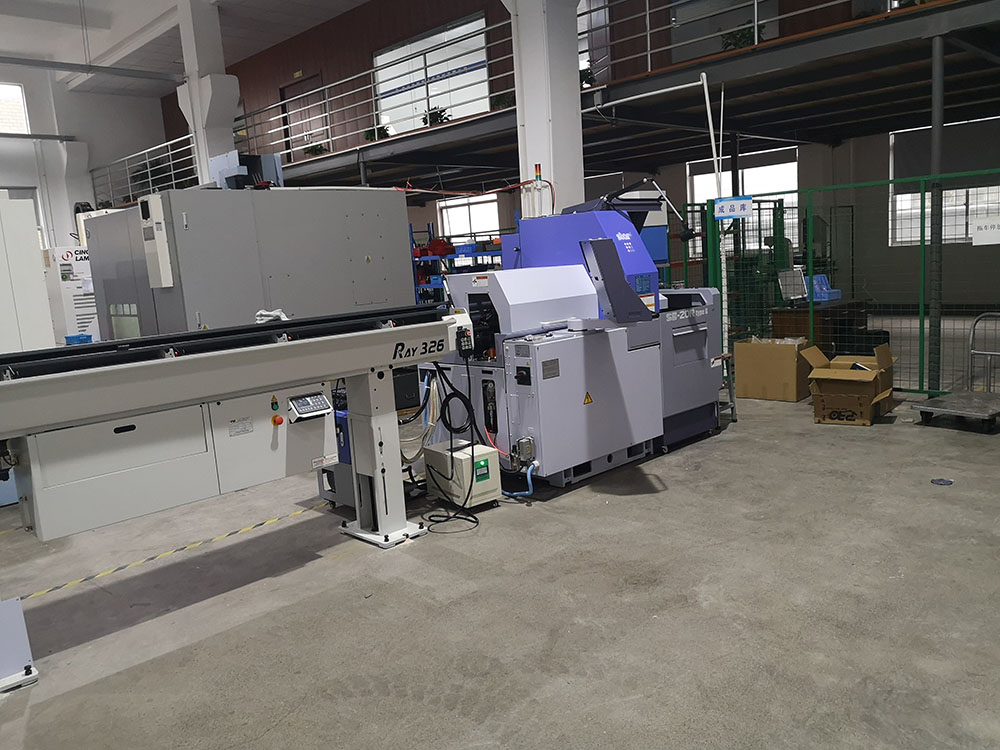
Managing regulatory compliance and supply chains for bioabsorbable and medical implant technologies.
For international procurement directors, securing regulatory clearance is critical. Sourcing medical implants requires complete alignment with global standards, including:
Unlike standard metals, bioresorbable polymers are sensitive to environmental conditions. High relative humidity and elevated temperatures can trigger early hydrolysis, degrading the implant's polymer chains.
Our packaging systems use moisture-barrier foil pouches with integrated desiccant packs, packed under controlled relative humidity. We offer optimized shipping methods, including temperature-monitored air freight, ensuring that every shipment arrives in sterile, clinically stable condition.
Technical, regulatory, and logistical details for bioresorbable scaffolds and medical implants.
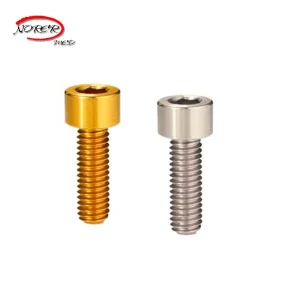
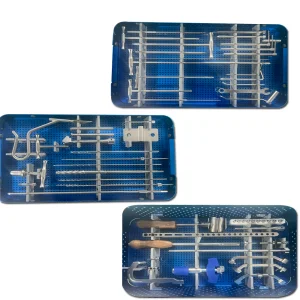
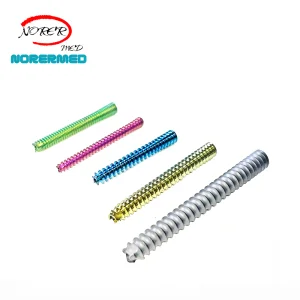
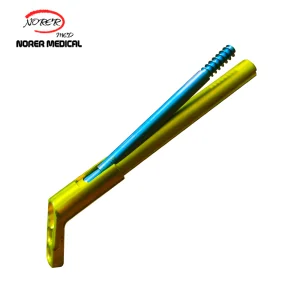
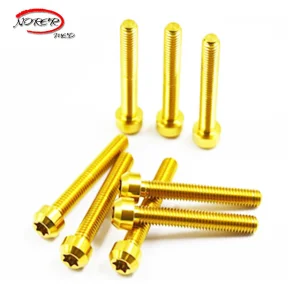
Explore the rest of our orthopedic product catalog, featuring premium titanium screw implants, specialized interlocking nail instruments, and PEEK spinal cages.