Maka Medical Surgical
Maka Medical Surgical
Maka Medical Surgical
Explore our precision-engineered implant portfolios designed to address complex fracture fixations, spinal stability, and joint articulation reconstruction.
The global orthopedic trauma device ecosystem is undergoing a structural paradigm shift, dictated by escalating clinical demands, strict regulatory frameworks like the European Medical Device Regulation (EU MDR), and the need for high-performance biomaterials. Modern traumatology demands implant systems that not only provide mechanical stabilization but actively support osteointegration and reduce post-operative complication rates.
The transition from standard stainless steel to Grade 23 Titanium Alloys (Ti-6Al-4V ELI) and PEEK (Polyetheretherketone) has redefined device longevity. Titanium implants minimize stress shielding through an elastic modulus closer to cortical bone, while PEEK structures offer radiolucency, crucial for precise post-operative radiographic assessments.
Regulatory frameworks have shifted focus from retrospective validation to continuous clinical evaluation. CE-marked factories must establish rigorous Post-Market Clinical Follow-up (PMCF) registries and robust Quality Management Systems (QMS) to ensure consistent quality from raw material tracking to surgical placement.
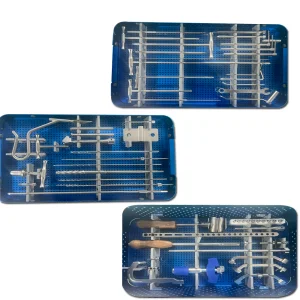
Modern clinical buyers are shifting away from fragmented implant sourcing. The prevailing demand is for complete surgical systems—where locking plates, interlocking nails, and spine pedicle screws are paired with precisely calibrated, ergonomic instrument kits, reducing intraoperative variables.
Hospital consortia, regional distributors, and medical device brands demand more than just low-cost manufacturing. Procurement strategies are now heavily centered on risk mitigation, supply chain visibility, and consistent regulatory compliance.
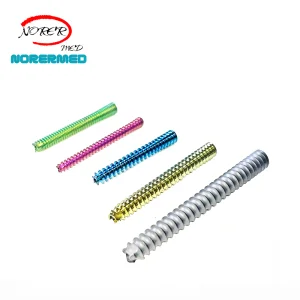
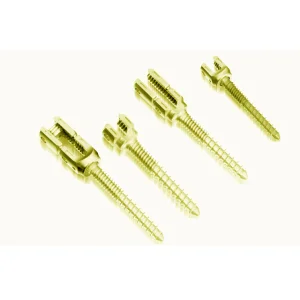
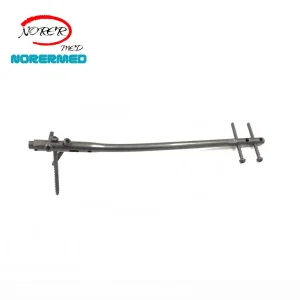
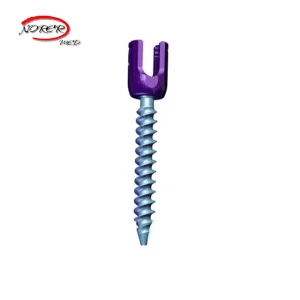
Enterprise buyers mandate complete metallurgical transparency. Every batch of Titanium Interlocking Nails, Femoral Neck Plates, and Spine Pedicle Screws must be traceable to the original ingot melt. Medical-grade titanium (such as Ti-6Al-4V) must adhere to ASTM F136 or ISO 5832-3 standards to guarantee tensile strength, fatigue resistance, and biocompatibility, minimizing the risk of implant fracture in vivo.
Entering European and associated global markets requires a certified quality management system. Sourcing from factories aligned with ISO 13485 ensures that design histories, risk management files (ISO 14971), and sterilization validations are readily accessible. This streamlines registration with local ministries of health, preventing costly customs delays or distribution blocks.
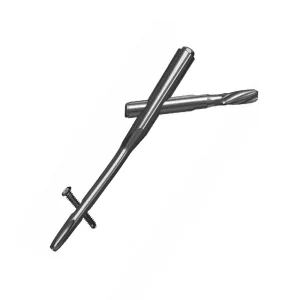
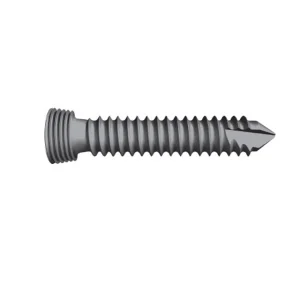
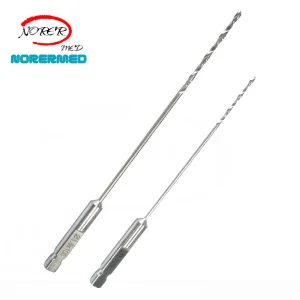
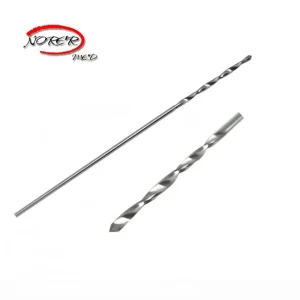
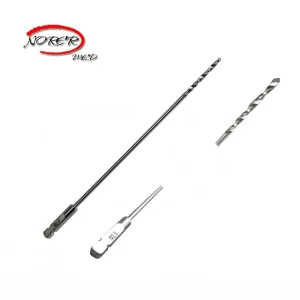
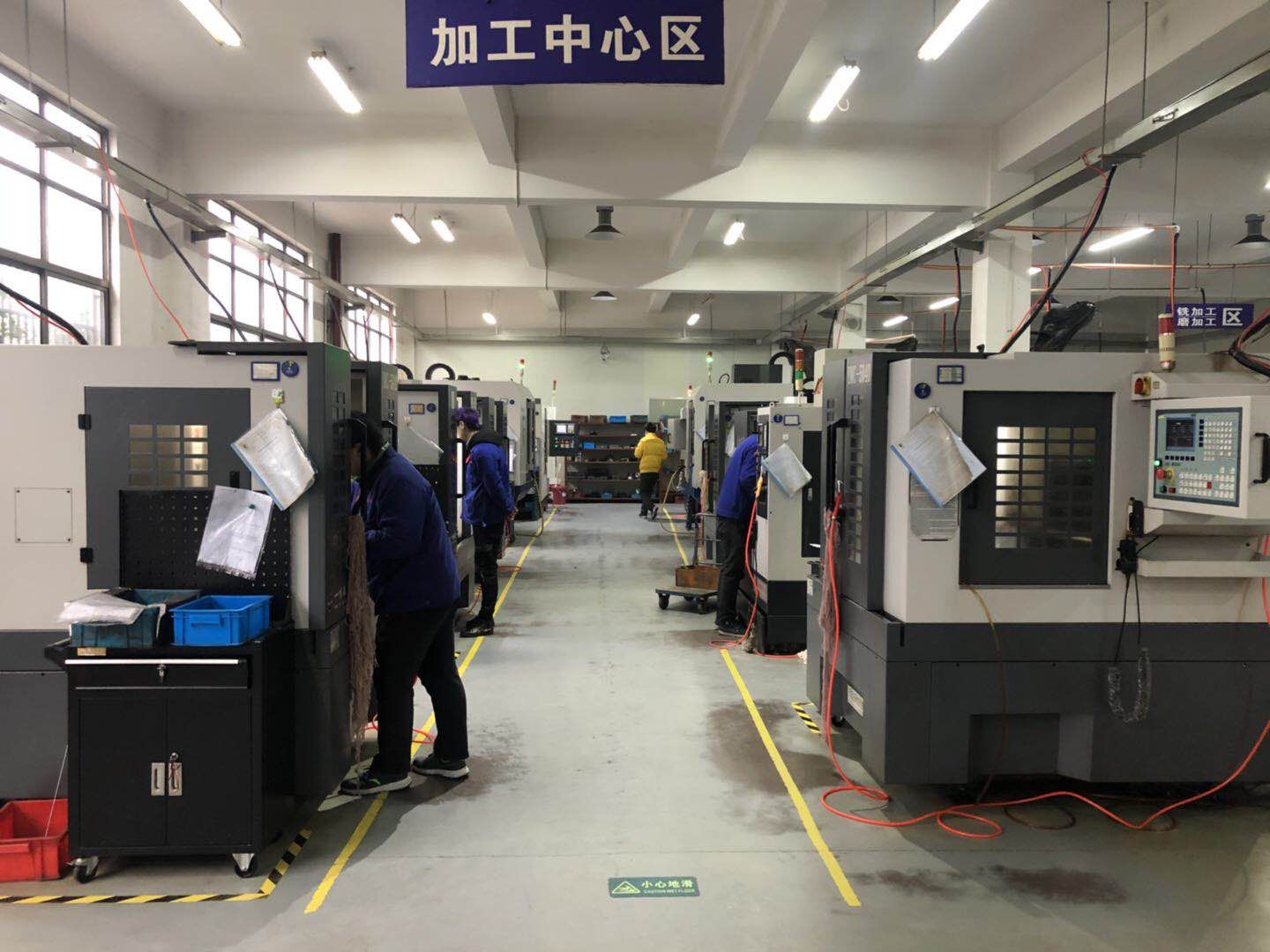
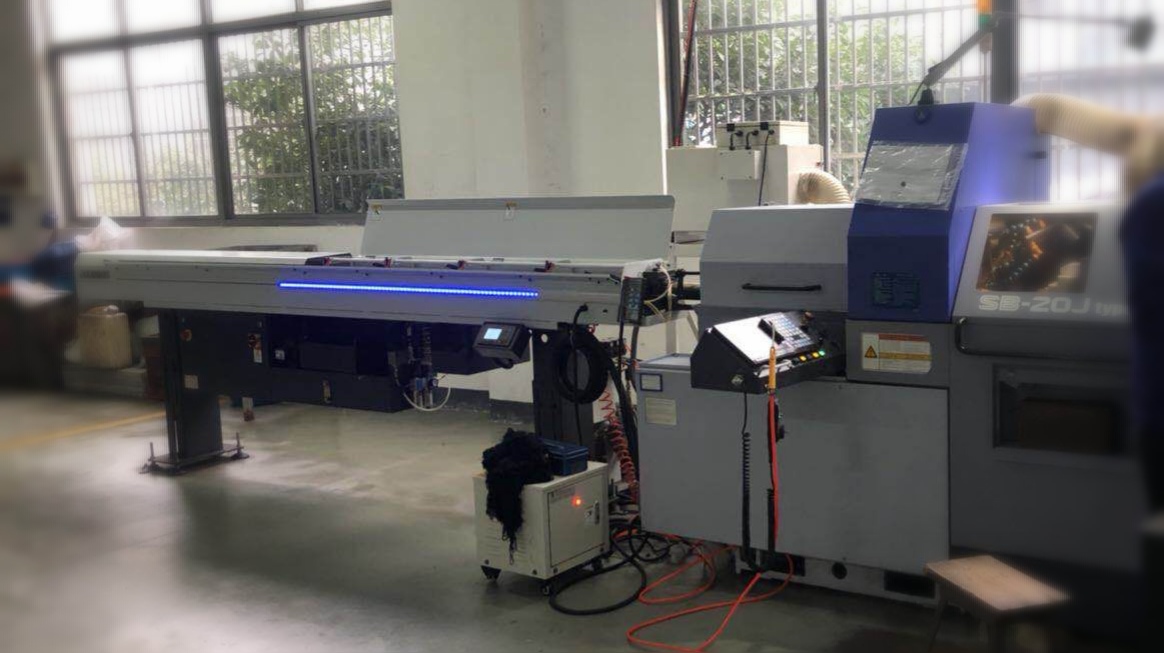
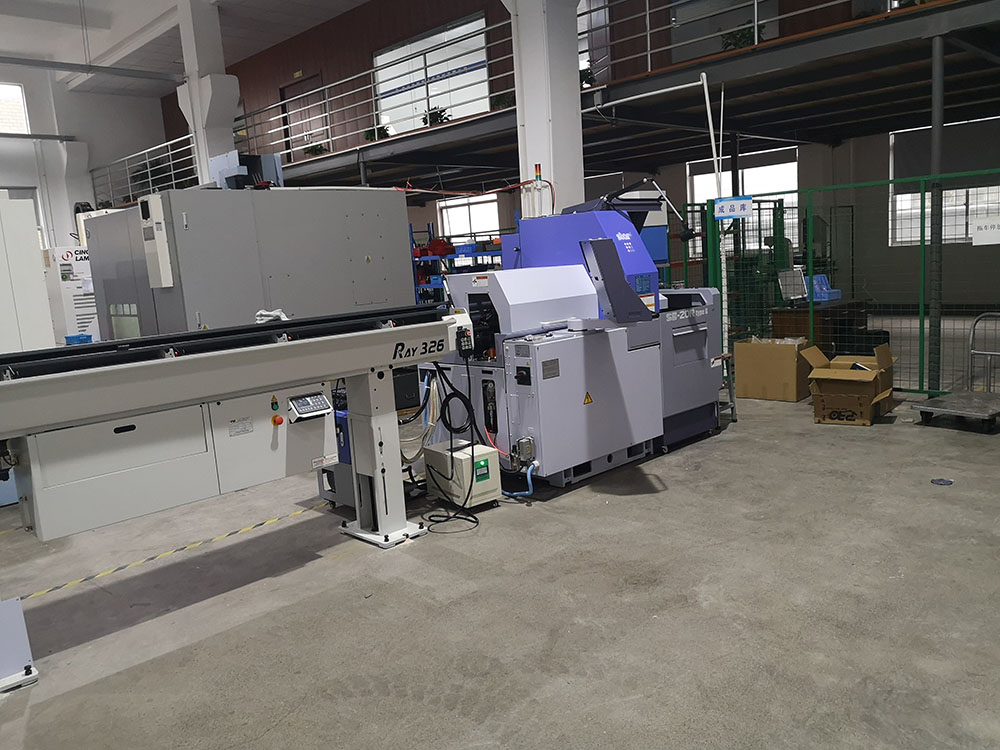
Global brands often require custom branding, proprietary thread designs, or unique plate geometries. Modern manufacturing facilities utilize high-precision Swiss-type CNC lathes and 5-axis machining centers to achieve tolerances within +/-0.01mm. This ensures that customized pedicle screws, crosslink rods, and drill bits fit perfectly with standard quick couplings and surgical instruments.
As a leading supplier in Changzhou, China—a premier orthopedic manufacturing hub—we deliver comprehensive solutions that cover everything from raw material processing to clinical instrument support.
Our solutions cater to both human surgical applications and advanced veterinary orthopedics. From PEEK Locking Infusion Cages for human cervical spine reconstruction to specialized veterinary plates and monoaxial pedicle screws, we maintain strict biosafety and precision parameters across all product lines.
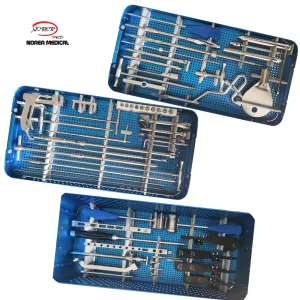
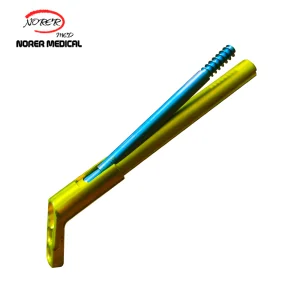
We solve the critical challenge of surgical incompatibility by supplying implants alongside matching instrument kits. Our PFNA and expert tibial interlocking nail kits feature standardized AO quick-coupling drill bits, sleeves, and inserters to optimize surgical flow and patient safety.
To improve osteointegration and reduce bacterial colonization, our manufacturing processes include advanced surface modifications such as Type II anodic oxidation, electropolishing, and acid-etching. These treatments enhance wear resistance and improve mechanical biocompatibility.
The next decade of traumatology lies in smart manufacturing and bio-resorbable materials. Our roadmap focuses on integrating cutting-edge manufacturing processes with state-of-the-art biological engineering.
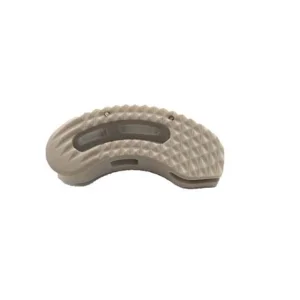
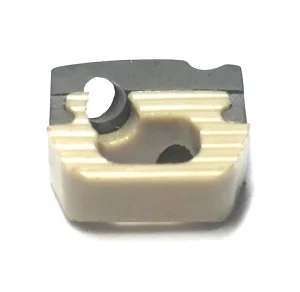
Polyetheretherketone (PEEK) is replacing metal in spinal fusion and select trauma applications. Our PEEK lumbar TLIF and ACIF cervical cages feature locking mechanisms that prevent migration while matching the elastic modulus of cancellous bone. This design promotes natural stress distribution, preventing bone resorption and accelerating recovery.
Our manufacturing strategy combines traditional Swiss-machined metal alloys with high-performance plastics. This hybrid capability allows us to offer both high-strength titanium spinal pedicle screws and lightweight, durable instrument handles in the same shipment, reducing sourcing complexity for international buyers.
Located in the premier medical technology manufacturing cluster of Changzhou City, Jiangsu Province, China, Maka Medical Technology Co., Ltd. serves as an expert manufacturer and strategic supply chain partner for orthopedic trauma and spinal systems. For 10 years, we have provided high-precision orthopedic solutions to distributors, hospital networks, and medical device brands worldwide.
Find answers to common questions about regulatory standards, manufacturing processes, and technical specifications for orthopedic trauma implants.
Browse our specialized instruments, drill bits, and heavy-duty fixation components designed to streamline complex trauma procedures.