Maka Medical Surgical
Maka Medical Surgical
Maka Medical Surgical
Explore our primary selection of orthopedic fixation implants, matching the high clinical standards of CE-certified bone cement applications.
Bone cement, primarily composed of Poly(methyl methacrylate) (PMMA), is the structural cornerstone of modern orthopedic fixation. Whether anchoring hip joints, stabilizing vertebral compression fractures through vertebroplasty, or securing high-stress distal joint interfaces, the choice of a CE-certified supplier determines clinical success.
Enables immediate post-operative load bearing by transmitting stress evenly from the implant to the surrounding bony structures. Modern PMMA formulations minimize aseptic loosening, the leading cause of implant revision surgery.
Suppliers design distinct viscosities (low, medium, and high) tailored for specific delivery techniques. High-viscosity cements are optimal for manual packaging, while low-viscosity solutions serve syringe-assisted spinal infusions.
Advanced formulations integrate therapeutic agents (such as gentamicin or tobramycin) to provide local prophylactic elution. This halts biofilm formation on raw metal implants without altering mechanical stability.
The demand for bone cement has surged alongside aging global demographics and rising rates of joint reconstruction. Following the regulatory transition from the Medical Device Directive (MDD) to the more rigorous Medical Device Regulation (EU MDR 2017/745), acquiring Class III CE certification is critical for legal commercialization.
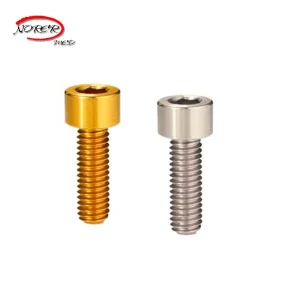
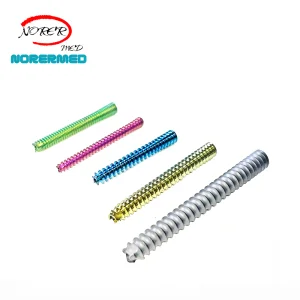
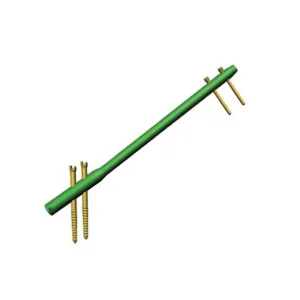
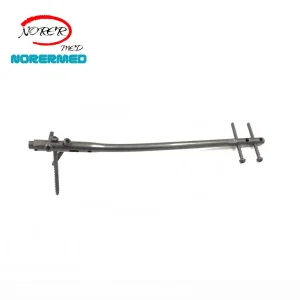
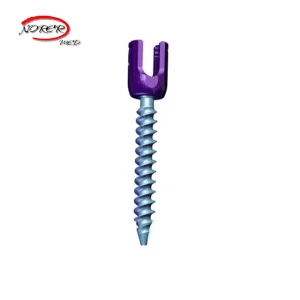
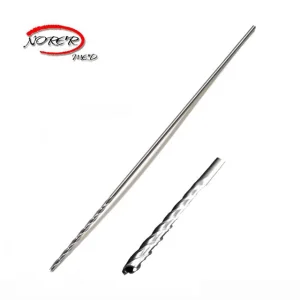
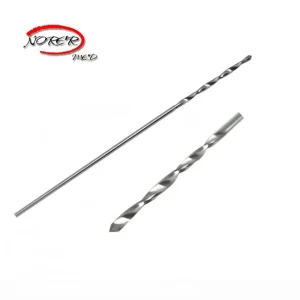
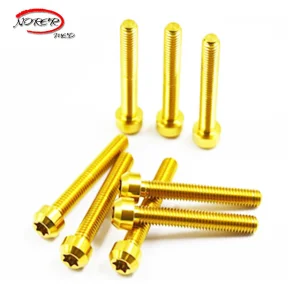
Global distribution networks demand manufacturers with not only production capabilities, but also comprehensive clinical validation dossiers. Maka Medical Technology Co., Ltd. helps bridge the gap by fabricating highly compatible orthopedic hardware—ranging from titanium spine pedicle screws to interlocking nails—that function optimally alongside leading CE-certified bone cement products.
By integrating manufacturing processes inside certified ISO 13485 environments, Chinese manufacturers secure competitive pricing tiers while adhering to rigid global biological compatibility assessments (ISO 10993).
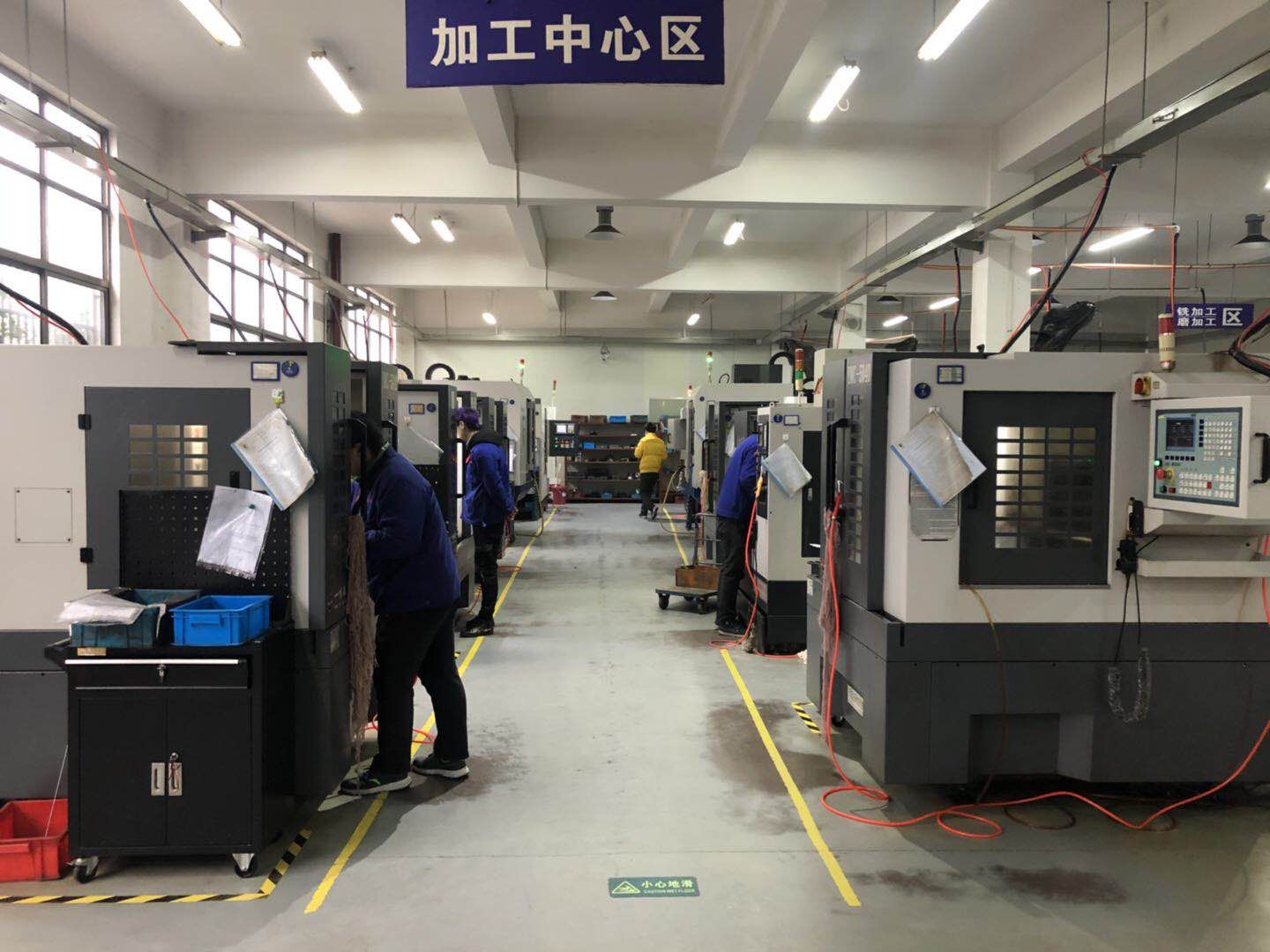
Advanced Orthopedic Machining Line at Maka Medical Facility
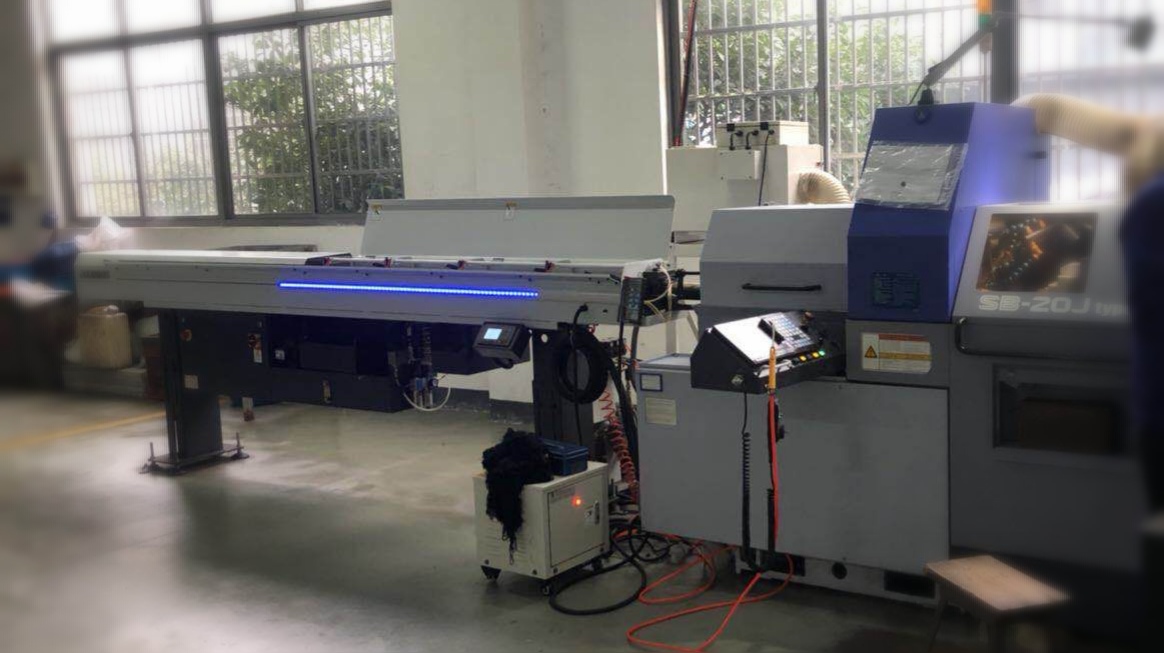
Strict Quality Control Processes for Surgical Implants
A key failure point for importers is lacking localization support for regulatory filings. Navigating the regulatory maze requires raw material traceability down to the methyl methacrylate monomers and polymethyl methacrylate-co-methyl acrylate copolymers.
Bone cement does not exist in isolation; it must synergize with specific surgical implants. Choosing the correct pairing ensures longevity and safety for patient outcomes.
High viscosity bone cement provides rapid mechanical anchoring for femoral stems and acetabular components. The polymerizing cement flows into cancellous bone pores to create stable macro-mechanical interlocking.
Extremely low initial viscosity combined with high radiopacity (barium sulfate or zirconium dioxide carriers) is critical. This enables precise injection through fine spinal cannulae into osteoporotic bone voids.
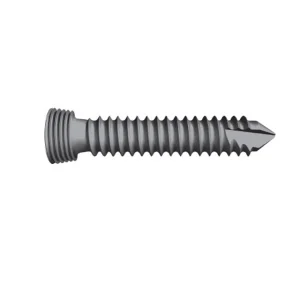
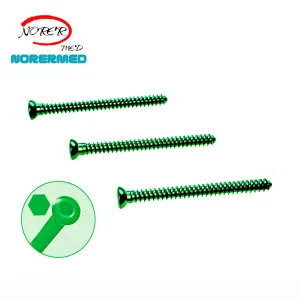
When repairing complex fractures in osteopenic bone, bone cement reinforces screw tracks. This system works in tandem with titanium locking plates and cannulated compression screws.
Traditional PMMA acts primarily as an inert space filler. The future of global bone cement production is moving toward bioactive and osteoinductive formulations. These next-generation composites encourage direct bone bonding rather than generating a fibrous tissue layer.
Research is currently focusing on reducing the peak polymerization temperature. Lower exothermic temperatures help avoid thermal necrosis of the surrounding tissue.
At the same time, incorporating nano-crystalline hydroxyapatite (HA) or calcium phosphates into the powder matrix provides a temporary osteoconductive scaffold. This transition helps the implant structure integrate into the body over time.
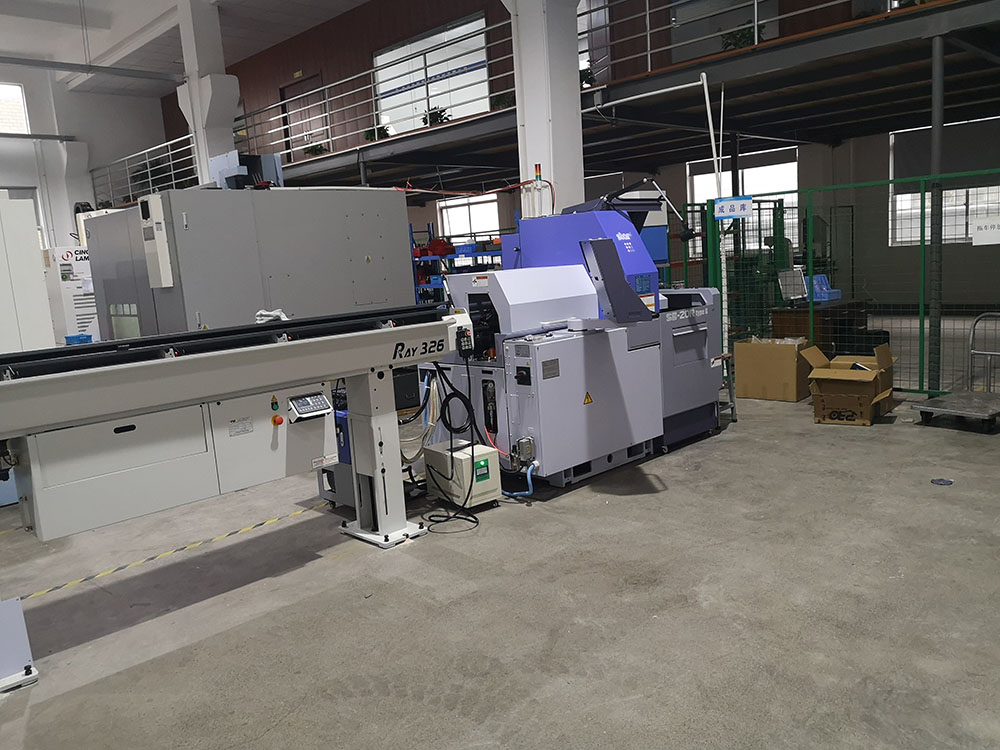
Materials Science & Engineering Research Center
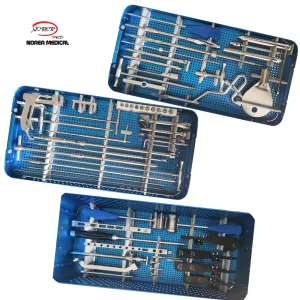
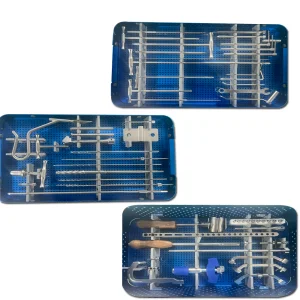
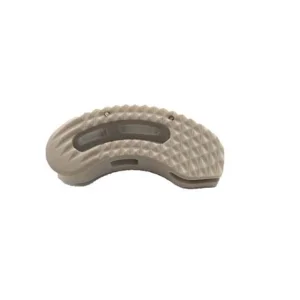
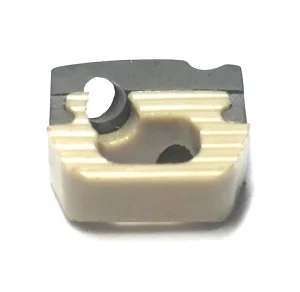
Compatible instruments, orthopedic cages, and precision machining parts supporting advanced clinical procedures.