Maka Medical Surgical Maka Medical Surgical

How to Choose the Right Spine Device for Your Needs?

Time:2026-07-28 Author:Madeline
0%

Choosing the right spine device can be challenging. Many factors influence your decision. Every individual's needs differ. Experience and academic knowledge play critical roles in identifying the proper solution.

A spine device must align with your specific health conditions. Not all devices are created equal. Some offer advanced support for specific issues, while others suit broader applications. Understanding your unique situation is vital. A lack of thorough research may lead to poor choices.

Consider expert advice when selecting a spine device. Consult with healthcare professionals who understand your medical history. They can recommend devices tailored to your needs. Nevertheless, remember that what works for one person may not work for another. Reflect on your own requirements and how they match the characteristics of available devices. This way, you can make a more informed decision.
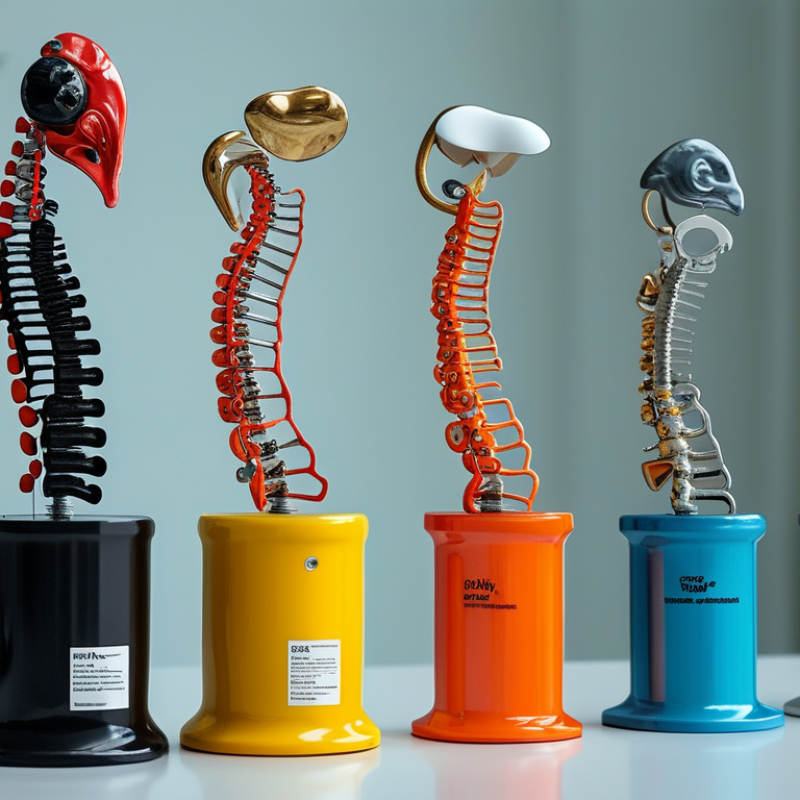
How to Choose the Right Spine Device for Your Needs?

Understanding Different Types of Spine Devices Available on the Market

When selecting a spine device, it's crucial to understand the various types available. Common spine devices include spinal fusion implants, interbody spacers, and dynamic stabilization systems. According to a recent study by the American Academy of Orthopaedic Surgeons, spinal fusion procedures have increased by 60% in the past decade, indicating a growing reliance on these devices.

Spinal fusion implants are designed to promote bone healing between vertebrae. They are often made from titanium or PEEK composite materials. Interbody spacers, on the other hand, are positioned between vertebrae to restore disk height and stability. These devices can significantly impact patient mobility and recovery time. It's important to note that while these devices are common, not every patient will require them. Some may benefit more from conservative treatments.

Dynamic stabilization devices provide a less rigid approach. They allow for some movement while still providing support. This option can be beneficial for patients seeking to maintain mobility. However, the effectiveness of dynamic stabilization devices still faces scrutiny in multiple studies. A doctor’s expertise in choosing the right spine device is invaluable, as each device comes with its own set of risks and benefits.

Understanding Different Types of Spine Devices Available on the Market

Assessing Your Specific Spine Condition and Treatment Requirements

When considering the right spine device, it's essential to assess your specific spine condition carefully. Start by consulting with a healthcare professional who can guide you through your specific needs. Each spine condition, whether it’s herniated discs or spinal stenosis, can require a different approach. Personal health history and lifestyle also play a role in determining the best solution.

It's important to discuss your treatment requirements in detail. Ask about the pros and cons of each device type. Different devices can offer varying levels of support and mobility. Your physician can provide insights based on clinical experience and knowledge. Don’t hesitate to share your concerns or any previous experiences. This dialogue is crucial for finding the right fit.

Patients often overlook how psychological factors affect recovery. A device may physically support your spine, but if it causes discomfort or anxiety, it might not be the best choice. Reflect on how you feel about the options presented. Are they easy to use? Do they align with your daily routine? Such considerations can help in making a more informed decision.

Evaluating Material Options and Their Impact on Device Performance

Choosing the right spine device means understanding material options. The materials used can greatly influence performance. Metals offer strength but may not provide the needed flexibility. Polymers can be lighter and more adaptable; however, they often lack durability under extreme conditions.

Consider how the device will be used. Different patients require different support levels. For instance, a device for an active individual might need a balance of flexibility and stability. In contrast, a sedentary patient may need more rigidity. The choice of material should reflect these needs.

Keep in mind that each material has its drawbacks. Metals may corrode over time, affecting longevity. Polymers can wear down faster with heavy use. Evaluate the long-term implications of your choice. Balancing strength, flexibility, and wear is no easy task. It's essential to weigh these factors carefully to find the right fit for each situation.

Consulting with Healthcare Professionals for Expert Guidance

Choosing the right spine device can be overwhelming. Consulting with healthcare professionals is crucial. Experts provide insights tailored to your specific needs. According to a recent study by the North American Spine Society, 70% of patients reported improved outcomes when they engaged with specialists during device selection.

Healthcare professionals assess individual conditions and recommend appropriate solutions. These consultations involve detailed discussions about pain levels, lifestyle, and medical history. Personalized recommendations are based on evidence-based practices. A survey conducted by the American Academy of Orthopedic Surgeons highlighted that 60% of patients felt more confident in their choices after expert consultations.

It is vital to be aware that not all devices suit everyone. Some patients may experience setbacks or complications with certain types. Open dialogue with your healthcare provider allows you to address concerns and explore alternatives. Understanding potential risks and benefits helps you navigate the complexities of spine device options. Remember, relying solely on online information may miss crucial personal factors.

Considering Cost, Insurance, and Long-Term Care Factors in Your Decision

Choosing the right spine device involves critical considerations. One essential factor is cost. Prices can vary significantly, depending on the type of device and material used. Reviewing your budget, including out-of-pocket expenses, is necessary. However, lower cost doesn't always mean lower quality. Be wary of devices that seem too cheap.

Insurance coverage also plays a crucial role. Many plans have specific policies for spine devices. You should inquire about your coverage details with your insurer. This ensures you understand what portions you’ll have to pay. Some devices may not be fully covered, leading to unexpected financial strain.

Tips: Always ask your healthcare provider about the long-term implications. They can guide you through potential future costs, like maintenance or replacement. Researching durable options is vital. Make sure to ask for testimonials or reviews from other patients who have used the device. Real experiences can illuminate any concerns that may not be obvious initially.

Finally, don’t overlook the importance of long-term care. Regular follow-ups with your specialist can help monitor the device's effectiveness. Long-term compatibility with your lifestyle should be evaluated. If you have a physically demanding job, consider how the device will hold up over time.

How to Choose the Right Spine Device for Your Needs? - Considering Cost, Insurance, and Long-Term Care Factors in Your Decision

Device Type Cost ($) Insurance Coverage (%) Expected Longevity (Years) Maintenance Requirements
Spinal Fusion Device 10,000 80 10 Surgery Follow-ups
Artificial Disc Replacement 15,000 75 15 Periodic Evaluations
Spinal Rods 7,000 85 5 Regular Check-ups
Sacroiliac Joint Stabilization Device 9,000 70 8 Low Maintenance

FAQS

: What types of spine devices are commonly available?

: Common spine devices include spinal fusion implants, interbody spacers, and dynamic stabilization systems.

How do spinal fusion implants work?

These implants promote bone healing between vertebrae and are made from materials like titanium or PEEK composites.

What is the purpose of interbody spacers?

Interbody spacers restore disk height and stability, which can significantly affect patient mobility and recovery time.

Are dynamic stabilization devices effective?

They allow some movement while providing support, but their effectiveness is still being questioned in multiple studies.

Why is consulting with healthcare professionals important?

Experts tailor insights to individual needs, significantly improving patient outcomes according to recent studies.

What factors are considered during device selection?

Healthcare professionals evaluate pain levels, lifestyle, and medical history to provide personalized recommendations.

Can some patients face complications with spine devices?

Yes, not all devices suit everyone. Some may experience complications or setbacks with specific types.

How can I feel more confident in my device choice?

Engaging in consultations with healthcare providers helps patients feel more confident in their decisions.

Is online information sufficient for choosing a spine device?

Relying solely on online information may overlook crucial personal health factors.

What should I do if I have concerns about device selection?

Open discussions with your healthcare provider are essential to address concerns and explore alternatives effectively.

Conclusion

Choosing the right spine device is a crucial decision that requires careful consideration of various factors. Understanding the different types of spine devices available on the market is the first step, as each type is designed to address specific conditions and treatment needs. It's essential to assess your particular spine condition to ensure that the chosen device aligns with your requirements effectively.

Evaluating material options is also vital, as the performance of a spine device can be significantly influenced by the materials used in its construction. Consulting with healthcare professionals will provide you with expert guidance tailored to your situation, helping you make an informed choice. Additionally, considering cost, insurance coverage, and long-term care implications will further aid in selecting the best spine device for your health and financial needs. By taking these factors into account, you can make a well-rounded decision that supports your spine health journey.

Madeline

Madeline

Madeline is a dedicated marketing professional with a wealth of expertise in our company's core offerings. With a keen understanding of the industry, she brings a unique perspective to her role, consistently delivering high-quality content that highlights the superior aspects of our products. As......