Maka Medical Surgical Maka Medical Surgical

How to Choose the Right Knee Prothesis for Your Needs?

Time:2026-08-25 Author:Henry
0%

Choosing the right knee prosthesis can be a daunting task. It's crucial to understand your specific needs before making a decision. Many factors come into play, from the type of prosthesis to your lifestyle requirements. A knee prosthesis is not just a device; it profoundly impacts mobility and quality of life.

Every individual's situation is unique. It's essential to consult with healthcare professionals who specialize in orthopedics. Their expertise can guide you through complex choices. Patients often overlook the importance of proper fitting and alignment. A well-fitted knee prosthesis not only enhances function but also minimizes complications.

Take the time to research various options. Read about others’ experiences, and learn what worked well for them. While one solution may suit many, it may not be right for you. Reflecting on your daily activities can also help identify what features you genuinely need. The right knee prosthesis can lead to improved mobility, but the wrong choice might lead to dissatisfaction.
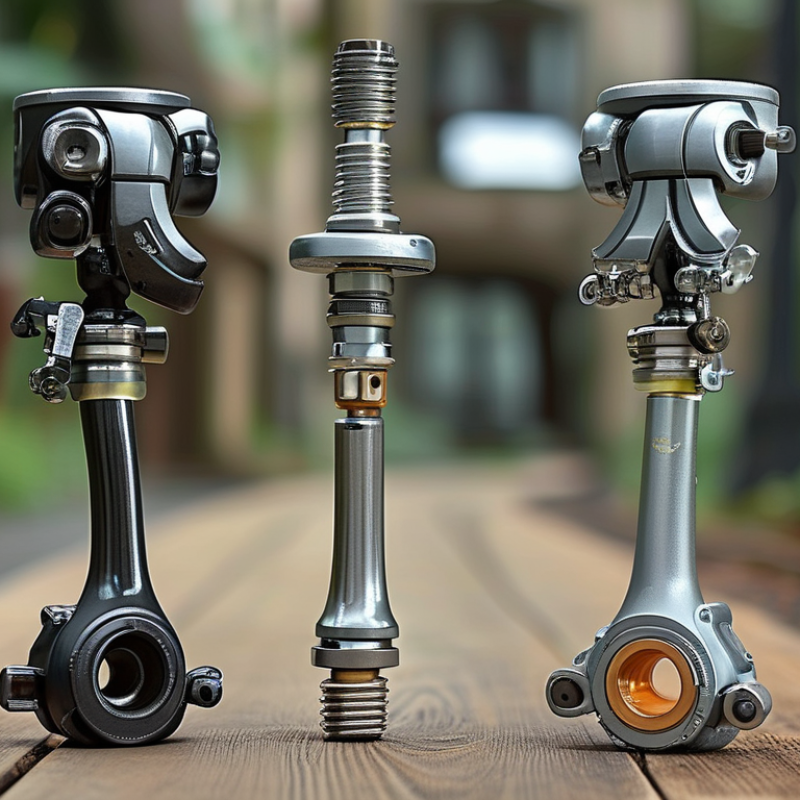
How to Choose the Right Knee Prothesis for Your Needs?

Understanding the Types of Knee Prostheses Available Today

When choosing a knee prosthesis, understanding the types available is essential. There are several options based on individual needs. Some prostheses are designed for high mobility. Others focus on stability and support. If you are active, consider a mobile bearing prosthesis. This type allows for more natural movement. Many patients find this option improves their overall comfort.

Fixed bearing prostheses offer different advantages. They often provide better longevity, making them suitable for older patients. However, some may feel restricted compared to mobile options. Specific needs dictate the choice of a prosthesis. Surgeons consider factors like age, weight, and activity level. Each option has unique pros and cons requiring careful thought.

It's also important to acknowledge that technology is evolving. New designs may provide better fit and function. Yet, not every patient may benefit from the latest advancements. Some might find traditional prostheses more reliable. Understanding your lifestyle and expectations can guide this decision. Open discussions with healthcare professionals are crucial. The journey towards finding the right knee prosthesis may need patience and reflection.

How to Choose the Right Knee Prosthesis for Your Needs?

Prosthesis Type Description Best Use Cases Expected Lifespan Cost Range
Fixed-bearing Features a single component for the femur and tibia. Movement is constrained for stability. Stable activities and individuals not engaging in high-impact sports. 15-20 years $10,000 - $15,000
Mobile-bearing Incorporates a mobile insert allowing for more natural knee motion and reduced wear. Active individuals and those engaging in low-impact sports. 20-25 years $15,000 - $25,000
Partial (Unicompartmental) Replaces only the damaged compartment of the knee. Preserves ligaments and healthy cartilage. Individuals with limited damage to one side of the knee. 10-15 years $8,000 - $12,000
Revision Required when a previous prosthesis fails or complications arise. More complex surgery. Patients with previous knee replacements that require further surgery. 10-15 years $20,000 - $30,000
Custom-made Designed specifically for the individual's anatomy, potentially providing a better fit. Patients with unique anatomical needs or previous rejection of standard prostheses. 15-20 years $30,000 - $50,000

Factors to Consider When Choosing a Knee Prosthesis

Choosing the right knee prosthesis is crucial for a successful recovery and long-term functionality. When selecting a knee prosthesis, several factors come into play. One essential aspect is the patient's age and activity level. Younger patients may require a more durable prosthesis due to their active lifestyle, while older patients might benefit from a design focused on comfort.

Additionally, weight and body composition can impact prosthesis selection. Heavier individuals might need stronger materials to ensure long-term reliability. According to a report by the American Academy of Orthopaedic Surgeons, about 90% of patients report improvement in mobility after surgery. However, choosing an inappropriate prosthesis can lead to complications.

A proper alignment is vital for effective function. Surgeons often assess the knee's biomechanics before recommending specific options. A study published in the Journal of Orthopaedic Research found that misalignment could result in implant failure rates as high as 30%. It’s important for patients to discuss all concerns with their healthcare provider.

Engaging in discussions about different prosthetic options can be enlightening. Seek out as much information as possible about materials and designs. Aim to understand all available choices.

Thorough evaluations can help narrow down ideal options. Make sure to involve specialists who have expertise in knee prosthesis. Their insights are invaluable and can guide you effectively through the selection process.

Factors Influencing the Choice of Knee Prosthesis

Evaluating Materials and Design in Knee Prosthetics

When selecting a knee prosthesis, evaluating materials and design is crucial. The materials used in a prosthetic will affect its durability and weight. Common options include titanium and cobalt-chromium alloys. These metals provide strength and resistance to wear. However, they can be heavy, making mobility challenging for some users. Lighter materials like polymer blends are becoming popular, as they offer comfort but may not have the same longevity.

Design also plays a significant role in functionality. Contemporary prosthetic designs often incorporate adjustable features. This adaptability allows for a more customized fit, enhancing comfort during movement. However, some users report difficulties in adjusting these models on their own. A balance between ease of use and advanced features is necessary. Assessing this balance requires deep understanding and careful consideration.

Prostheses must also reflect individual needs. Each patient's lifestyle and mobility requirements differ. A design that works well for one may not suit another. Patients should feel empowered to discuss their preferences with professionals. Open dialogues can lead to more satisfactory outcomes. The process of finding the perfect knee prosthesis is not just about the technical aspects but also about personal comfort and confidence in movement.

Assessing Your Activity Level and Lifestyle Needs

Choosing the right knee prosthesis starts with understanding your activity level and daily lifestyle. Active individuals may need a different prosthesis than someone who prefers a more sedentary life. Assess your routine. Do you enjoy jogging, or do you prefer walking at a leisurely pace? Maybe you participate in outdoor activities or, instead, you mostly spend time indoors. Each of these choices affects which prosthesis will serve you best.

Consider the flexibility and weight of the prosthesis. A lighter model may benefit those who engage in regular exercise. On the other hand, someone with a more relaxed lifestyle might prioritize comfort and ease of use. It’s essential to consult with healthcare professionals who can provide tailored advice based on your unique situation. They can help you understand the different designs and features that align with your needs.

Remember that even the best prosthesis might not feel perfect right away. Adjusting can take time. Be prepared for a trial-and-error process. Reflect on how each option fits into your life and what adjustments you may need to make along the way. Ultimately, your knee prosthesis should enhance your mobility and support your happiness in everyday activities.

Consulting with Orthopedic Specialists for Informed Decisions

Choosing the right knee prosthesis can be overwhelming. Consulting with orthopedic specialists is critical. These professionals have the expertise needed to guide patients through complex decisions. They assess your unique anatomy, activity level, and overall health. Personalized assessments ensure that options are tailored to individual needs.

Orthopedic specialists provide insights based on years of experience. Their knowledge can clarify the differences between various prosthetic options. These consultations are not just about the physical aspects; they also address emotional concerns. Many patients feel uncertain about recovery and lifestyle changes. Specialists listen to these worries and help set realistic expectations.

Reflecting on this process is important. Even with expert guidance, the choice may not feel perfect. Patients might still have doubts after consultations. Regular follow-ups with specialists can help address these feelings. Trusting their guidance while being open about concerns is crucial for a successful outcome. The collaboration between patients and specialists fosters confidence in the chosen knee prosthesis.

FAQS

: What factors should I consider when choosing a knee prosthesis?

: Consider your age, weight, and activity level. These factors influence the type of prosthesis suitable for you.

What are the differences between mobile bearing and fixed bearing prostheses?

Mobile bearing prostheses allow for natural movement, enhancing comfort. Fixed bearing prostheses offer durability but may limit mobility.

How does material choice affect knee prosthetics?

Materials impact durability and weight. Titanium is strong but heavy, while lighter polymers offer comfort but may wear out faster.

Why is consulting with orthopedic specialists important?

Specialists provide personalized assessments, guiding you through complex decisions based on your unique anatomy and health.

Can new prosthetic designs improve my experience?

Yes, new designs often offer better fit and functionality. However, not every patient may benefit from the latest technology.

What should I do if I have doubts after my consultation?

Regular follow-ups with your specialist can help address concerns. Effective communication fosters confidence in your decision.

How can I ensure a comfortable fit for my knee prosthesis?

Discuss your preferences with professionals. Customized fittings can significantly enhance comfort during movement.

Are all knee prostheses suited for active lifestyles?

Not all prostheses cater to high mobility. It's essential to choose based on your specific activity requirements and lifestyle.

What challenges might I face with adjustable prosthetic features?

Some users find it difficult to adjust these models independently. Assessing ease of use is vital before making a choice.

How important is patient feedback in selecting a prosthesis?

Patient insights are crucial. Open discussions with healthcare providers lead to more satisfying and appropriate outcomes.

Conclusion

Choosing the right knee prosthesis is a critical decision that can significantly impact a patient's quality of life. There are several types of knee prostheses available today, each designed to meet specific needs and preferences. When selecting a knee prosthesis, it's essential to consider various factors, including the materials used, the design features, and how these align with an individual's activity level and lifestyle.

Consulting with orthopedic specialists can provide invaluable insights and guidance, ensuring that the chosen knee prosthesis is tailored to meet one's personal requirements. By carefully evaluating these elements, patients can make informed decisions that enhance their mobility and overall well-being post-surgery.

Henry

Henry

Henry is a dedicated marketing professional with a profound expertise in the company's offerings. With years of experience in the industry, he possesses an impressive understanding of the market dynamics and consumer behaviors that drive success. Henry is committed to sharing his insights through......